
Time Management: How to make time to do the things you love

Time Management: How to make time to do the things you love

Time Management: How to make time to do the things you love.

Have you noticed how you can find time to do certain things (like binge-watch yet another box set on Netflix ) but not do other things? Like write that book, bake that cake, plan that trip or organise that cupboard which you’ve been meaning to do for years now?

Or maybe you’ve been planning on meeting up with an old friend for months but it never quite happens? The idea gets bandied about with enthusiasm ‘oh yes we MUST meet up for coffee soon’ but then no plans are made and it still remains something on your to-do list!

Firstly, consider what the problem is. Is it actually lack of time?!

First lockdown proved to me that lack of time hadn’t been what had stopped me doing things. Suddenly we had all the time in the world. Months and months of free time lay ahead of us and still I didn’t start writing that book. I did do some writing, I started writing out my favourite recipes on a new cooking website, but the  book idea lay dormant. 

During lockdown I managed to find time to watch 170+ episodes of Silent Witness, and several other box sets. I drank my way through box after box of tea bags and pot after pot of fresh coffee. I took loads of online courses to improve my social media skills, my copywriting skills, my zoom hosting skills. But the book remains unwritten

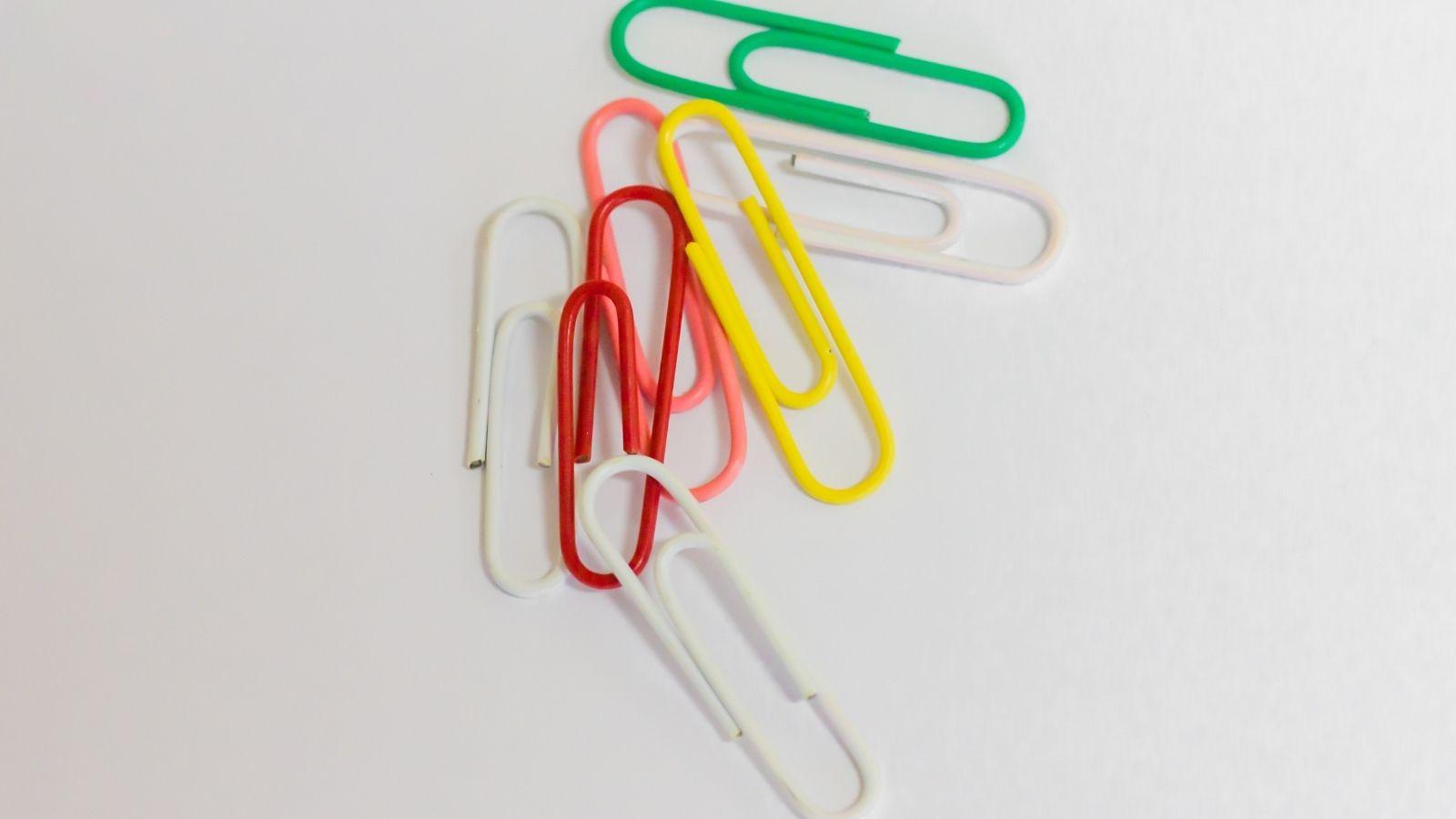
image shows 6 colourful paperclips in a messy heap on a white background

Time to allow yourself to do whatever it is that you love

I talk to anyone who will listen how I love writing, yet often I don’t let myself write. I find ways of procrastafaffing (you know, faffing on and procrastinating) Suddenly I can find a pile of paperclips that need stacking or maybe my pencils need sharpening. Or the cats bowl needs a few more biscuits. You get the picture.

Finally I realised that I needed to give myself permission to write. I also needed to set up a time and space to write. When my children were at school I used to go to a specific coffee shop with my notebook straight after school drop off every Tuesday, get a large latte and 2 hours on the parking and write whatever was in my head into my notebook.

Since they left school I’ve not found space in my diary to do this on a regular basis. I get the impression that what I need to do is to get a specific time written into the diary on a weekly basis. 

time saving. Image of a notebook with brightly coloured dividers

Clearing space to make time

To make this work I may have to drop something else, or create space by streamlining things so I have more time. So I need to look at where I can save time. Are there any processes I can automate to make life easier? Could I make more meals in the slow cooker, freeing up time in the evening to sneak in more writing? 

Instead of fitting writing in in between other things, maybe I should do my writing first? Maybe I could do some first thing in a morning along with my morning tea?

Maybe you could do the same. Starting the day with doing the things that you love doing (as long as it’s NOT playing the Tuba!) and then hopefully the rest of the day will flow around it, filling in the gaps. Rather than having to find a time to do the thing you love

What do you think? 

Read Latest Blog Post

                                  https://www.sarahcooper.co.uk/the-5-am-club/

             https://www.sarahcooper.co.uk/how-to-create-the-life-you-want/

Marjoram Essential Oil

Marjoram Essential Oil

Marjoram Essential Oil


  • Botanical Name: Origanum Marjorana
  • Plant Family: Labiatae
  • Note: Middle
  • Uses: Flowering Heads/ Leaves
  • Extraction Method: Steam Distillation
  • Country of Origin: Libya, Egypt, Mediterranean, France
  • Significant Chemical Constituents: Borneol, Terpineol (alcohols) Camphor (ketone) Caryolphyllene (Sesquiterpene) Pinene, Sabine, Terpinene (Terpenes)

Marjoram Essential Oil  is a great all-round essential oil. It has a subtle, herby aroma and a wide array of therapeutic properties, making it a great oil to have in your aromatherapy kit!

Marjoram is often used in place of lavender essential oil as it comes from the same plant family, shares many common properties and doesn’t have that strong lavendery smell associated with lavender.  A lot of people seem to either love or hate lavender but don’t seem to have such a strong view on marjoram, thankfully! 

Using the leaves and flowering heads of the marjoram plant, the essential oil is made by steam distillation. 

marjoram essential oil

What are the main properties of Marjoram Essential oil?


Analgesic (Pain Relief)

Marjoram is wonderful for relieving pain, be it pain from aching joints, relieving muscle tension or easing headaches and migraines.  It is thought to be particularly good for back pain where there is tightness and tension in the lower back.

On the skin, it helps bruises heal quickly.

Antispasmodic

Marjoram has antispasmodic properties so is great for the digestion, especially for easing stomach cramps and indigestion.  It may be useful for irritable bowel syndrome to help stave off abdominal cramping. It also helps ease period cramps and is great after sport.

Laxative

It can help ease constipation.

Warming and good for the circulation

Marjoram is great for getting the blood flowing, and this in turn helps the body feel warmer.  It also has relaxing properties which can help reduce high blood pressure.

Clearing for the Head and Respiratory System

If you have a stuffed up nose,  a cough, or need a clear head, marjoram is what you need. It helps ease congestion in the respiratory system and clears sinus build up as it has expectorant properties. It can be helpful for asthma and bronchitis alike.

Calming for the Nervous System

Marjoram essential oil is great in times of stress and grief. It is thought to help combat loneliness. It can be useful to help your body relax and aids a restful night sleep. Marjoram is especially good for insomniacs.

How to use Marjoram Essential Oil

The most beneficial methods for using marjoram are in a massage blend along with a suitable carrier oil or in the bath.

If using in a bath always mix with a teaspoonful of sunflower oil and mix carefully before swishing in the bath.

It can also be used in a steam inhalation by putting a couple of drops in a bowl of hot water, popping a towel or tea towel over your head to form a tent and inhaling for 10-15 mins.

Contraindications

Some books advise not using Marjoram oil if you suffer from low blood pressure but according to Tisserand and Young, Essential Oil Safety, second edition, page 346 there are no known hazards or contraindications to sweet marjoram.

It may be wise to avoid marjoram in pregnancy unless advised to its safe usage by a suitably qualified and experienced aromatherapist.

What does Marjoram Essential Oil Blend with?

Bergamot, Cedarwood Virginiana, Chamomile, Cypress, Lavender, Mandarin, Orange, Nutmeg, Rosemary, Rosewood and Ylang Ylang. It will also blend well with the other herby essential oils.

Book Aromatherapy Massage

Book yourself in for an Aromatherapy Massage (if you’re within 10 miles radius of Boroughbridge!)

Sarah Cooper Reflexology

Buy Essential Oils. 

https://uk.nyrorganic.com/shop/sjcooper/area/shop-online/category/aromatherapy-and-diffusers/ 

I am a Neal’s Yard Independent Consultant and will receive a small commission fee if you shop with me.  

Let’s talk about stress!

Let’s talk about stress!

Let’s talk about stress

Whilst it’s generally thought that having some stress in life is a good thing (otherwise nothing would get done!) What happens when we have too much stress? When we have too much stress it is a bit like driving constantly on full throttle. Whilst it’s great to be able to put your foot down to the floor of your car when you need to escape from something, driving along like that all the time is going to cause problems. It is the same for being constantly stressed.

Our bodies are amazing in that they release a hormone called cortisol whenever we have cause to activate our fight/flight/freeze reflex. So when faced with danger our bodies can quickly shut down any unnecessary processes (like digestion, reproduction, and to some extent deep thought!) and receive a big whoosh of energy to provide our muscles with the right amount of glucose to be able to run as fast as we can!

Normally this level of stress only lasts for a few minutes or an hour before the danger passes, or we find a solution or we have run away far enough for the issue to no longer be causing us a huge amount of hassle.  But when we are constantly in a state of stress, this doesn’t happen.

What happens when we’re constantly stressed?

We find that we may have a constantly raised heart rate, our blood pressure stays up, digestion is compromised, we find it hard to switch off and sleep, we get headaches, low mood, we feel tense, our heads start to ache, we get muscle pain and have trouble thinking straight. This means we might end up feeling tired, unable to cope, irritable and exhausted. We may make poor choices or reach for quick snacks rather than eating proper meals. Then everything begins to spiral.

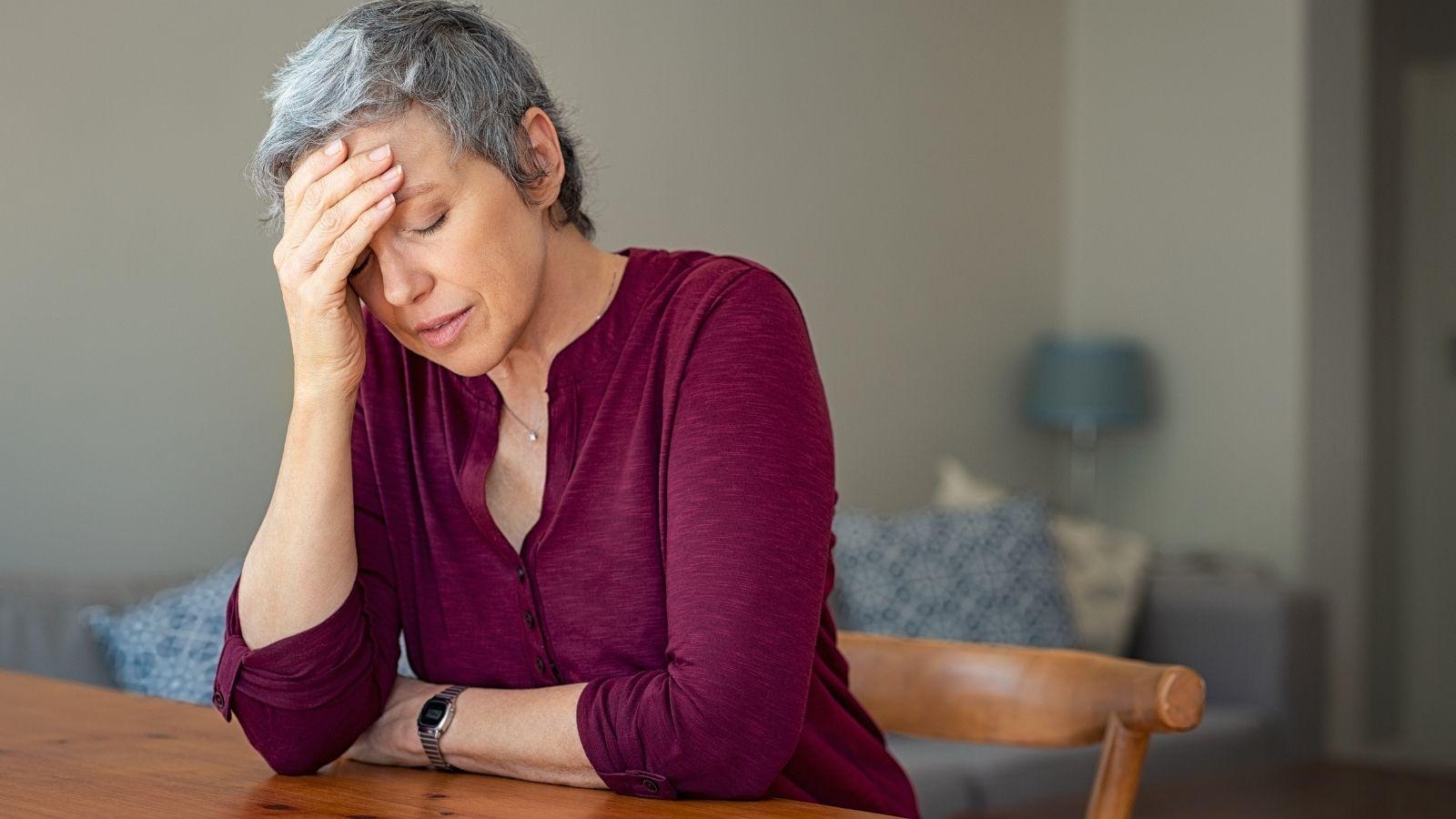
image of woman who is stressed.

Having any of the above issues is enough to put your body out of kilter. If you have Irritable Bowel Syndrome for instance you may feel anxious about where the nearest loo is, or find it hard to eat out in case you come across one of your trigger foods. Or you might be worried about the pain you might be in.

If you struggle to sleep you might find it hard to concentrate and then get behind at work. Or you might find that you lack energy to prepare healthy meals for your family or you might feel irritable over the least little thing.

Life becomes hard. Daily activities can seem too difficult to do.  Everything annoys you. Everyone annoys you. You start to feel overwhelmed. 

So what happens when you do get your stress levels under control?

You find that you’re more able to cope, your brain is clearer and more able to make good choices and focus on the task in hand. You find that you wake up refreshed and ready to tackle the day ahead. Your blood pressure returns to normal and your heart rate slows to a normal pace. Any tension you may have been carrying in your back, neck and shoulders starts to melt away.

You find that the tension you’ve been feeling in your jaw starts to ease a little which helps you have fewer headaches. Life slowly starts to feel normal again.  You start to feel lighter and brighter and more able to tackle difficult things.

lazy day clothes

How do I stop feeling stressed?

One easy way to ease stress is to have a series of either Reflexology, Massages, or Reiki Treatments. These all help restore your body to a state of calm and help put a space between you and whatever is stressing you out.

Having treatments is a bit like having a mini holiday, it can allow you to be able to see things more clearly once you’ve put a little distance between you and them.

Plus when you come for a treatment you normally get to not only unwind and switch off for an hour or so but also we have a chat and a giggle and that too can be good for the soul and stress levels alike. They also feel amazing.  

10 Simple ways to help you feel better about yourself

10 Simple ways to help you feel better about yourself

10 Simple ways to help you feel better about yourself.


1 Accept yourself warts and all.

Many of us feel that we have to be perfect, to give perfection and to be 100% happy, sweet and nice all the time. It’s simply not true. We all have our faults, our limitations, our sheer humanity and instead of seeing ourself as broken, flawed or imperfect we could simply embrace our ‘warts’ and hug them to ourselves.

Just as the golden bits of a kintsugi pot stick the broken bits of a pot back together to make the whole thing more valuable, our humanity, our ‘broken-ness’ is what makes us interesting.

Imagine being with someone who was 100% perfect? I imagine that I’d be bored within 20 minutes. I love hearing the quirks and foibles of people. I’m always curious to know what keeps people awake at night, what makes them happy, what their biggest fear and greatest achievement is.

self love

2. Know that you don’t have to be perfect to be loved, loving and loveable

For many years I believed myself to be unloveable because I wasn’t perfect. It never occurred to me until relatively recently that the things that make me imperfect are pretty much the same things that make me loveable.

Know that it is safe to be you, and that people will love you anyway. Dare to be you. Perfectly, imperfect, loveable you.

Imperfect

3. Acknowledge that you’re doing your best with the information, resources and knowledge that you have available to you.

You are doing your best, and that’s all that matters. We often worry that we could have done better or if only we’d known then what we know now we would have done things differently.

It’s important to realise that we’re always doing our best, and when we have more skills, more knowledge and more experience we will do better!

comparison is the thief of all joy

4. Comparison is the thief of all joy.

Never compare yourself to the illusion that anyone else is projecting. We will never really know what is going on in another persons life, and to compare ourselves negatively to the image that another person is projecting is only ever going to end in tears.

Your next door neighbour may look like they have it all (in comparison to you) but you don’t know if secretly they fancy having a quieter life (Like you!) or whether they think you’re doing way better than them.

When my children were at primary school their headteacher raised a really good point. Each of us are given a tree to climb but the trees aren’t equal trees. Some trees have easier branches to climb so they will allow people to climb higher in their tree, but your tree might have an easier bit towards the top. I thought that was a nice way to think of it.

I’ve now realised that putting my energy into what I’m doing is way more productive than fantasizing about how well everyone else is doing in comparison to me!

If you wouldnt say it to a child dont say it to yourself

5. Speak kindly to yourself

What we say to others and what we say to ourselves can be two very different things. If you are kind to other people when they make a mistake and mean to yourself over the least little thing then please stop! I once heard someone say that ‘if you wouldn’t say that mean thing you’ve said to a child, don’t say it to yourself’ and that was incredibly powerful. 

We are delicate beings and need to be treated with kindness. So next time you’re about to tell yourself off for some minor misdemeanour, stop!

Tell yourself that you’ve tried your best and that you’ve now learned from your mistake and move on. Vow never to say anything to yourself that you wouldn’t say to a child! 

shadow side

6. You are stronger than you think.

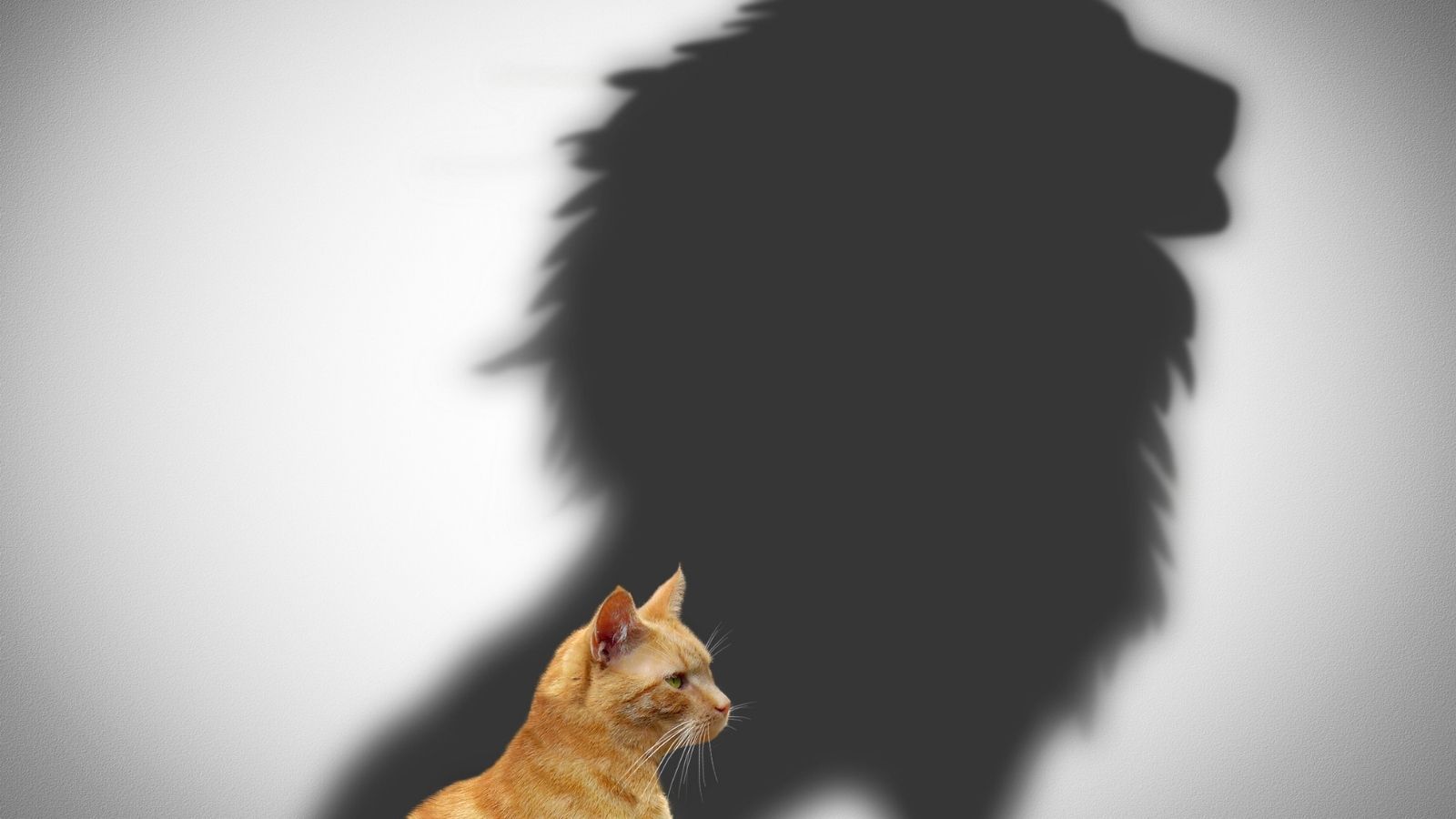
Even if you don’t feel it at times, you are strong. We all are. We all have our inner tiger ready to roar when necessary. It’s ok to allow that kitten to roar when needs must. You can still be a fabulous person and be assertive too.

If you find something seems a bit scary, maybe take the pressure off yourself and allow yourself to be playful and simply ‘see what happens if…’ Without the pressure of having to be successful, or having to pass that test, or get everything right first time you will gain confidence to experiment. 

emotion

7. It’s ok to experience a range of emotions

You don’t have to be happy 100% of the time. Everyone experiences a range of emotions, including joy, sadness, fear, elation, anger, pain. And that’s ok. It can be hard when we feel we always have to be in a positive mindset. We really don’t.

Whilst it is helpful to have a positive mindset some of the time, it is also perfectly normal to have times when you’re sad, angry or just plain bored.

I always used to believe that I had to be happy all the time, that I wasn’t allowed to have a down moment or to feel angry or upset. That’s simply not the case! 

mistakes

8. People Make Mistakes

You can’t get everything right all of the time, so don’t beat yourself up too much when you make a silly mistake! Simply accept your humanity and be kind to yourself.

I’ve wasted way too much of my life worrying about little mistakes that really didn’t matter in the long run. If necessary apologise and then move on with your life. Don’t let silly mistakes ruin the rest of your life!

dancing

9. It’s ok to do things that only make sense to you! 

You don’t need to follow anyone else’s path nor dance to anyone else’s tune. I know way too many people with a story which goes like ‘ My……………. forced me to do ……….but I wanted to do  ……..instead. I was unhappy. Now I’m doing…..and feel so much better.’ 

Follow your own path, dance your own tune. Don’t feel you have to get a glossy corporate job (unless you want a glossy corporate job!)

If you would feel happier doing something creative, do that instead. Do whatever feels right for you. It doesn’t matter if other people don’t get it! Do it anyway! 

mental health

10. People aren’t watching you as much as you might think!

In the past I’ve been held back by this thought that people are actually interested in what I’m doing, to the point that I worry that they’d have an opinion on how well I’m doing things etc.

I’ve finally realised that people have so much stuff going on in their own lives that they literally don’t care what I’m up to. So do whatever makes sense for you and don’t worry about what other people think! 

What is plantar fasciitis and what can help it?

What is plantar fasciitis and what can help it?

 What is plantar fasciitis?

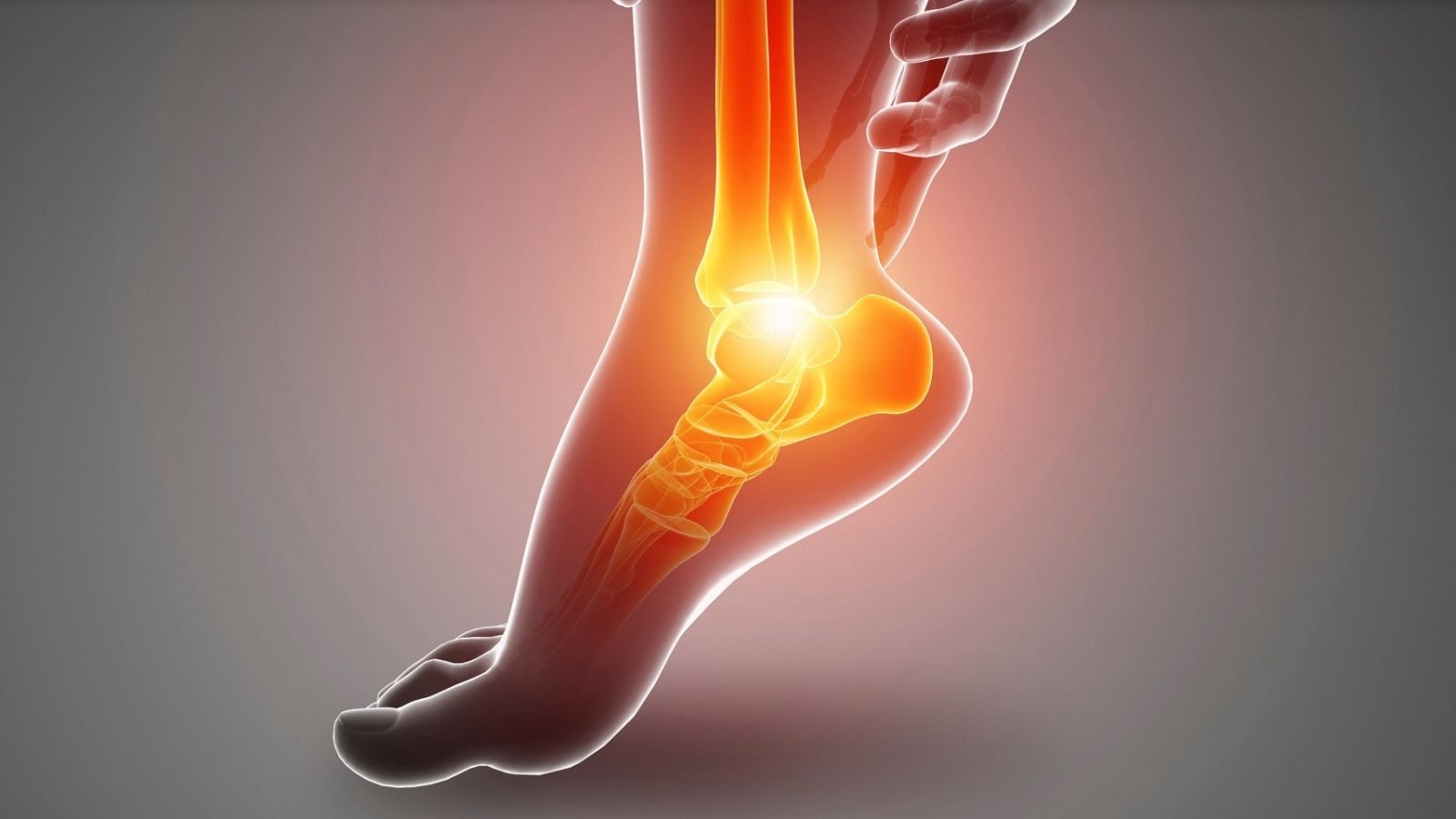
Plantar Fasciitis is where the thick band of tissue running along the underside of the foot (the plantar fascia) becomes sore and inflamed. This causes pain around the heel area underneath the foot, although it can also hurt along the length of the foot. 

The pain can be more severe first thing in the morning or after exercise. It is particularly common in people who are constantly on their feet for work or who are training for a sports event. It can especially affect hospital workers and waiting staff in restaurants as well as ballet dancers and runners.

It can be painful to flex the toes upwards towards the body and is often more painful when you get up after a period of rest. People who are overweight or who wear shoes that don’t fit properly (especially very loosely fitting shoes) can also find themselves suffering from plantar fasciitis. 

What can help plantar fasciitis? 

Depending how sore the feet are, massage may help, but in some cases it will be too sore for massage to be tolerated effectively. Where massage can be tolerated, massaging the whole leg may be helpful as often there is a link to the gastronemius and soleus muscles in the leg being tight and shortened.

Reflexology may be helpful especially if combined with massage of the lower legs. It is likely that you would need a course of treatments to help your plantar fasciitis.

Taking a short walk around the office can be helpful to avoid you being sat down for long periods of time. If you enjoy exercise and running it can be helpful to build up slowly over a period of time. Is is vital to have well fitting running shoes that adequately support your feet.

Doing a variety of forms of exercise types can is essential so you don’t overwork your feet on a daily basis. If you enjoy doing exercise and need it to help your mental and physical health maybe swap things around and try doing a cardio workout or go swimming a couple of times a week.

Having only a very light sole between you and the road or other hard surface can make plantar fasciitis worse, so ensure your feet have adequate protection when running.

plantar fasciitis

Things you can do at home to help plantar fasciitis

Wear supportive footwear that grips your feet snugly but doesn’t rub or hurt. Loose fitting shoes can make plantar fasciitis worse as your feet feel like they’re having to clutch on to the sole of the shoe.  Having shoes that have soles with a bit of bounce to them can be helpful, hard soles that are unforgiving should be avoided at all costs, or a comfortable insole should be inserted to help the pain on the heels.

Varying the height of your heel can be helpful. Having a small heel that isn’t too high but also isn’t completely flat can help. Avoid being barefoot on hard surfaces for any length of time and avoid ballet style pumps without a heel. Sandals and flip flops should be avoided as they don’t generally provide the feet with sufficient support. 

plantar fasciitis


Massaging the sole of the feet using a tennis or golf ball can be useful or if that is too painful try putting a bottle of water in the freezer and then using that to massage the underside of the foot. It would be a good idea to pop a sock on either your foot or the bottle to avoid getting frostbite! 

Exercises to try to help with your plantar fasciitis Click Here (disclaimer do anything suggested on youtube at your own risk 🙂 )

Take painkillers such as paracetamol regularly. 

If the pain is severe, prolonged or not eased by regular painkillers make an appointment to see your GP. 

Over to you!

What helped your plantar fasciitis? Please let me know in the comments box below. 

If you have enjoyed this article please share it with your friends by clicking the share buttons which are on your left on a desktop/laptop and that are below on a tablet or mobile device.


Relaxation: What is it and why is it so important?

Relaxation: What is it and why is it so important?

Relaxation: What is it and why is it so important? 

Relaxation is  a state of deep rest, where the body and mind are calm, free from stressors. Where the fight/flight/freeze response to is deactivated and no threats are immediately present. At state where no danger is detected, there is no need to panic. A state of all being well. Put simply, relaxation is the polar opposite of stress. 

What happens when people are stressed?

When people are stressed they find that their heart rates are faster, blood pressure is higher, their breathing fast and shallow. Digestive issues like irritable bowel syndrome can appear. Anxiety levels are elevated and concentration levels impaired.

Stress can have a negative effect on mood, blood sugar levels, menstrual cycles, symptoms of perimenopause and hormone levels. It can also result in frown lines and wrinkles and outbreaks of spots on the skin. It is thought that stress also has a negative impact on the immune system. Sleeping schedules are negatively affected with people experiencing insomnia, broken sleep or trouble getting to sleep. All these things make the body work super hard and can leave people feeling grumpy, exhausted and unable to cope.

Why is relaxation so important?

When people start to relax, they start to breathe more slowly and deeply, heart rate slows down to a normal level and digestive problems start to resolve. Being relaxed reduces the pressure on the body, putting it in an optimal state for it to heal and repair itself. This in turn lessens the effects of stress on the body. So being relaxed is very important to our health and wellbeing (and not a wanton act of self-indulgence as some trains of thought would have us believe!) Relaxation brings us back to ourselves and allows us space to think clearly. 

Relaxation: what is it and why is it so important

How to relax

There are many ways of relaxing. A day pottering around at home can be very, very relaxing, especially if you have nothing specific planned and can be spontaneous in what you do (or don’t!) do. Making a pot of tea, reading a book, doing a crossword puzzle, listening to a podcast, or just snuggling under a blanket can be great, low energy ways of relaxing. 

Having an allotment or spending time in the garden can be deeply relaxing, as can playing a musical instrument that you’ve got stuffed in the back of a cupboard. Or doing some art or writing a poem. It doesn’t need to be good art or a particularly amazing poem. Or whatever you love doing. 

Being absorbed in a hobby for hours can help take your mind off whatever is causing you stress. It is always useful to have something you can do when life gets too stressful. I love writing so often turn to writing in some form when I need time out. Other people love going for a run, having a bath, taking a walk in a wood or paddling in the sea. 

Paddling in the sea

Classes that can aid relaxation

Whilst you don’t have to attend a class to help you relax, there are lots of classes that can help you to relax. From mindfulness and yoga nidra to yin yoga, qigong, tai chi and sound baths, all of these will help you relax by helping you to calm your mind and slow down your breathing.

If you wanted something more energetic, something like aerobics or zumba are great fun and relaxing with and will allow you to take some time out for yourself, away from the stresses and strains of day to day life.

Other great ways of aiding relaxation

There are also apps like Insight Timer, Headspace and Calm that can help. Or have a look on YouTube for meditations.

Having a regular reflexology treatment, reiki session or massage can be hugely relaxing. Especially if you know that you’ve got it booked into the diary in advance each month. 


What do you do to relax? Please let me know in the comments below!


5 Reasons why I love Reflexology

5 Reasons why I love Reflexology

5 Reasons why I love Reflexology

1. It feels nurturing and safe.

If I had to pinpoint my absolute favourite reason why I love reflexology I’d have to say it’s because it makes me feel nurtured and safe.

Unlike massage, it doesn’t involve you having to strip down to your underwear within the first 10 mins of meeting your therapist, so you don’t have to get overly vulnerable. All you need to is take off your shoes and socks, get snuggled under a blanket (if you’d like) and switch off!

As an adult, there probably aren’t that many times when we get to be tucked up under a blanket by someone else and asked to do nothing but rest for an hour.

That restful space can be incredibly healing in itself. Reflexology allows us to put our feet up, take time away from whatever is worrying us and to deeply relax.

Allows you to put your worries to one side

2. It allows me to take a guilt-free break from everything else

There are times in my life when I need to put down all the other things that I am carrying and have time and space held just for me. This helps me to feel my best for other people.

I hold space for a lot of people including clients, friends and family so it’s important that I look after myself so I am able to effectively serve them. I need to replenish myself and recharge my own batteries to keep my own energy channels free-flowing so I can be my best for those around me.

If I am calm, centred, nurtured and able to cope with whatever life throws at me, I am way better placed to help other people.


3. It is gentle but powerful and can be adjusted to suit you.

The third thing I love about Reflexology is that it has an all-over-body effect, despite only working on the feet (hands or face).

Reflexology works on the principle that on the feet, hands and face there are certain areas (reflexes) which when pressed in a specific way help bring the corresponding organ, limb or tissue back into balance. It may sound a bit counter-intuitive to say that pressing on the feet can make the whole body feel better, but it’s true! I’ve felt it myself. 

Reflexology usually doesn’t tickle and the pressure we use can be adjusted to suit you. If you like a deep or firmer pressure, we can do that (up to a point!) and also if you prefer a lighter pressure we can do that too.

Please let your reflexologist know what pressure you prefer and ask them to adjust it if necessary.

Footmap

4. Reflexology is fascinating

The more I learn about reflexology the more I am fascinated by it. You can learn so much just from looking at the feet (or the face) From where hard skin has formed, to the colouration of the skin, even sock fluff sticking to your feet in certain places tell us things.

We can also feel areas that are out of balance, normally we find either crunchy reflexes (often in the shoulders, jaw and neck reflexes, in particular) or we find areas that are full of a buzzy energy or feel flat or lacking in energy.

Often the digestive reflexes feel fizzy when we work over them which is always very interesting. No matter how many feet I treat I always seem to find something interesting or new most treatments! 


Gift Voucher e1597407111114

5. Reflexology has many Benefits

Reflexology has many benefits including

  • Helping release tension,
  • Relaxation,
  • Improved mood,
  • Better sleep patterns 
  • Promoting wellbeing.

It also helps us release endorphins which is one of our bodies feel-good hormones, soothes and allows us to unwind our busy minds.

If we feel relaxed, are in a better mood, sleeping well and not feeling tense, life is way better (for everyone!)

So what’s not to love?! 

Sarah Cooper Reflexology Reiki Aromatherapy Massage Facial Reflexology Knaresborough

Resources

My blog post ‘What is reflexology’

https://www.sarahcooper.co.uk/what-is-reflexology/

 My Blog Posts Category ‘Reflexology’

https://www.sarahcooper.co.uk/category/reflexology/

To Book a Reflexology Session with me www.sarahcooper.co.uk/book 

Read Article by Association of Reflexologists https://www.aor.org.uk/what-is-reflexology/

Watch this video made by the Association of Reflexologists entitled what is reflexology

Please share this blog post

If you have enjoyed this post please share it with your friends by clicking one of the sharing buttons on your left (or below if you are on a mobile device)

What do YOU love about Reflexology?

Please leave me a comment in the box below

Chronic Fatigue Syndrome: What it is and what can help

Chronic Fatigue Syndrome: What it is and what can help

tired

What is Chronic Fatigue Syndrome?

Chronic Fatigue Syndrome is the name given to a collection of symptoms that leave you feeling permanently exhausted. No matter how well you sleep or how much you rest, you still feel exhausted all the time.

Chronic Fatigue Syndrome is thought to affect approximately 260,000 people in the UK alone.

Like many syndromes chronic fatigue can flare up and get worse or you might find that it gets better or goes into remission for a while.

In extreme cases the patient may not be able complete simple every day tasks like getting out of bed or brushing their hair or teeth. When the flare passes, the person may be able to get through a day at work or meet up with friends.

trauma

What causes Chronic Fatigue Syndrome?

There are various things that can trigger CFS including viral or bacterial infections, trauma and stress, imbalance of hormones, mental health challenges, problems with your immune system and genetics.

If you are chronically tired, think back to when you started feeling this way.

Have you always felt this way or has it got gradually worse over time? Did it come on suddenly?

Had you had an illness like Glandular Fever or a severe infection? Had something particularly stressful or traumatising happened around that time?  Does anyone else in your family also have it? 


What are the Symptoms of Chronic Fatigue Syndrome?

The main symptom is feeling constantly exhausted

Other symptoms include

  • Headaches / Migraines
  • Joint and Muscle Pain
  • Sore throats
  • Brain Fog/ Inability to concentrate
  • Palpitations
  • Dizziness and Nausea
  •  Sleep disorders
  • Low mood

Like all syndromes, people may get some symptoms but not others or they may get all of them.

Tired all the time man

What can be done about Chronic Fatigue Syndrome

Until recently, the main treatment for Chronic Fatigue was a combination of CBT (Cognitive Behavioural Therapy) and GET (Graded exercise therapy)

Recently these treatments have been recommended to be removed from the NICE guidelines for being not as effective as previously thought.

There are other things that can be done to help people living with Chronic Fatigue Syndrome.

These include looking at the individual symptoms and treating those. Also managing your stress levels and tweaking or adjusting your lifestyle according to what you’re able to do each day.


Blood Tests

Speak to your GP

Sometimes exhaustion is caused by a lack of a particular vitamin, mineral or hormone so it would be good to speak to your GP about having a blood test.

Vitamin B12, Iron, Vitamin D deficiencies and thyroid disorders can all cause or exacerbate symptoms of fatigue.

It would be good to rule these out. They’re all usually fairly easy to fix too.

If you find getting to sleep, staying asleep or you find you snore a lot or wake up in the night, speak to your GP about this. They may want to run tests for sleep apnoea.


sandwich

If you feel nauseous

If you are feeling nauseous and have little or no energy for cooking, try eating carbohydrate-rich foods such as sandwiches using wholegrain bread and some protein.

Having snacks based on carbohydrates and protein can help you have more energy. Eating a small meal every 3-4 hours can be helpful.

If you find that you have more energy in a morning, try using a slow cooker as you can pop the ingredients in there first thing and then when it’s dinner time you can come down to a hot meal without much extra fuss.

You can use frozen diced onions, frozen sliced mushrooms and frozen peppers to add flavour to your dish without having to do any chopping.

brainfog

Helping Brain Fog

There are various things that can help brain fog.

Having a set place to put things like your glasses, bag and car keys can be a huge help. It’s one less thing to think about! I take this one step further and always put my car in the same part of the same car park when in town so I don’t have to think about where I put it! Do whatever works for you! 

Writing things down can be helpful.

Having a notebook can be very useful for coping with brain fog to help you keep track of things you need to remember! Or use the ‘notes’ facility on your phone or tablet.

Essential oils such as either Basil or Rosemary oil are great for helping brain fog. Diffuse a couple 3-5 drops in a diffuser (but not if you are pregnant or have high blood pressure)

Orange Essential oil is great for lifting low mood.

Always consult a qualified Aromatherapist before using essential oils. Always keep essential oils out of the way of children and pets

Muscle joint pain

Muscle / Joint Pain in Chronic Fatigue Syndrome Patients

One of the best things for muscle or joint pain is massage as it not only helps relieve pain and reduce stress and tension.

Whilst having strenuous exercise is NOT generally recommended for people with CFS, having a little walk even around the house can be helpful. Without gentle exercise you can find your body starts to feel tense and stiff. Having a short walk also helps your circulation and lymphatic system work effectively. 

Aromatherapy Massage using essential oils such as marjoram essential oil may be useful for this too.

Eating a Mediterranean style diet with plenty of olive oil and oily fish may be useful too.

Relationships

Managing Relationships when one of you has CFS 

It can be really tough when one (or both of you) are unable to get out of bed or lead an active life due to Chronic Fatigue Syndrome.

Communication is key. It can be hard understanding truly what it is like for the other person, especially when one day they may have some energy and the next they are bed bound. So if you feel something- tell your partner. Help them to understand your point of view.

Having chronic fatigue can play havoc with your self-esteem levels and your own feeling of self-worth. It can make you feel depressed knowing that you often can’t lead the full life you’d like to lead. Be as honest as you can about how you feel. Don’t be afraid to reach out for outside help too.

There are support groups and counselling available to help support you through this.

Over to you

Are you or your partner living with Chronic Fatigue Syndrome? What do you find helps? Please leave me a comment in the comments box below

Please Share this article with your friends and family

If you enjoyed this article or found it useful please feel free to share it with your friends and family by using the social media share buttons on the left hand side of the page or at the bottom if you’re on your mobile.

Resources

You may also like my blog post  5 Great ways to boost your energy naturally

or my article Why am I tired all the time?

NHS Article on Chronic Fatigue Syndrome 


5 Great ways to boost your energy levels naturally

5 Great ways to boost your energy levels naturally

1. Have a good morning routine.

Your morning routine sets the mood for the rest of the day.

Open your curtains (and a window if you can) to let the sunlight shine in. Whilst the kettle boils for your morning brew, sip a glass of water. This helps stave off dehydration. Make your bed if you’re able to.

If possible go for a morning walk (or run if you prefer). It doesn’t have to be a long walk, a short walk around the block can be just enough. This helps your body to recognise that it is daytime.

If you’re chronically unwell or have issues with your mobility either sit in the garden or by a window or door, if you’re able to. Again it doesn’t have to be for a long time. Just a few minutes can be enough to make a difference. 

Have breakfast within an hour or two of waking up. Try to include some protein and carbohydrate in your breakfast. Try scrambled eggs with your toast, or a little peanut butter with your banana.

Protein keeps you fuller for longer and when in conjunction with some carbohydrate helps keep your blood sugar stable and your energy levels constant. Meaning you’re less likely to have an energy dip mid-morning

while the kettle boils

 2. Avoid Energy Vampires

Energy vampires include

  • Stress
  • Dehydration
  • Empty calories
  • Draining friends
  • Boring meetings
  • Pointless tasks

All of which drain the life force out of you and make your energy levels plummet.

Instead treat yourself to a regular massage or reflexology treatment, listen to your favourite podcasts or listen to relaxation music. Or learn mindfulness, or take a yoga class.

Keep sipping water throughout the day. 

Spend time with people who make you feel happy and who are on your own wavelength. Find support from other people who are going through the same things as you. 

Watch funny movies and make time for your hobbies. Whatever you do that makes time simply fly by. Do more of that!

Cross any pointless tasks off your list. If you don’t HAVE to do them, don’t do them!

Great ways to have more energy naturally breakfast

3. Boost your energy levels by upgrading your nutrition!

Ensure all your meals include protein and some carbohydrates. It can be helpful to eat smaller meals throughout the day, spaced about every 3-4 hours.

Avoid eating heavy meals towards the end of the day.

Avoid empty calories (processed foods, refined carbohydrates, low-calorie drinks etc.)  They often cause your blood sugar levels to spike and dip which can leave you feeling more tired.

Avoid excessive caffeine. Caffeine in moderation can be helpful for boosting energy levels but in excess can affect your ability to sleep and leave you feeling drained.

Alcohol also negatively affects energy levels so avoid excess alcohol consumption, especially in the run up towards bedtime.

If you find that your energy levels are greater first thing in the morning, consider getting a slow cooker. You can pop that on in the morning and by dinner time you have a freshly cooked meal waiting for you.

If you find chopping vegetables too tiring you can buy frozen vegetables including diced onions, mushrooms and peppers. Whilst they might not be exactly the same as fresh, they can allow you to make home cooked meals, despite having low energy.

Great ways to have more energy naturally bedtime

4. Stick to a routine

Our bodies seem to like knowing what to expect so keeping to a fairly regular routine really helps. 

Aim to get up the same time each day and go to bed at a similar time every night. Don’t be tempted to sleep in, especially if you’ve struggled to sleep the night before. 

Experiment with having naps. Some people find that having a nap helps their energy levels and other people find that having a nap plays havoc with their sleeping patterns. So do whatever works best for you.

Great ways to have more energy naturally yoga

5. Take regular gentle exercise*

Whilst you might think it makes no sense taking exercise if you don’t have a lot of energy but it can be helpful. It can also help you release endorphins or feel-good hormones. You don’t have to do anything strenuous.

Gentle swimming sessions can be beneficial or going for a walk or taking a yoga or pilates class.

There are also Gentle Yoga classes available for people who need something a little more nurturing.

Doing even 10 mins exercise once or twice a day can make a big difference. There are plenty of free and paid-for online exercise classes available

*If you have chronic fatigue syndrome or ME this may not be as helpful as it will for those who do not have it. Speak to your GP before increasing your exercise levels if you have ME or CFS 

Related Articles

https://www.nhs.uk/live-well/sleep-and-tiredness/self-help-tips-to-fight-fatigue/

https://www.sarahcooper.co.uk/active-lifestyle-ideas/

What do you find helps boost your energy levels?

Please let me know in the comments below.

Please Share this post! 

If you’ve found this article helpful please share it with your friend by clicking on the buttons on your right (or below on mobile) to share with Facebook,  Twitter, Linked in etc

My ultimate guide to creating the perfect lazy day

My ultimate guide to creating the perfect lazy day

What is a lazy day?

A lazy day is one of those dreamy, perfect days when you do as little as possible, all day! Some people call them ‘duvet’ days or ‘pyjama days’ or a ‘mini retreat’ yet the principle is the same. Lazy days provide the ultimate antidote to a hectic, adult lifestyle by allowing us time to rest, restore ourselves and recharge our worn down personal batteries. For just one day we can forget the hustle and bustle of daily life and start to go with the flow.

lazy day pyjama day

Why are lazy days so good for our wellbeing?

Life can be hectic, fast-paced and stressful. Having a lazy day is the complete opposite of this. It allows you time to rest and unwind and to allow the stress to start to leave you. Often when life is going at 100 mph it can feel like we don’t have time to catch a breath, to be able to think things through or to plan ahead. It allows us to press ‘pause’ for the day so we can catch up with ourselves, restore our bodies and take a nap!

I remember once being very busy, and feeling like I had a thousand things to do every day. My daughter told me to ‘just breathe’ I remember yelling ‘I DON’T HAVE TIME TO BREATHE!’ I know, I know! Of course I had time to breathe, even though at that moment in time, it didn’t really feel that way!

Lazy days allow us to rest and restore our body and calm our frazzled minds, even if it is by binge-watching a box set on Netflix or reading a great book!


lazy day sleep

How do I have a lazy day?

Firstly clear your diary of anything else. Put ‘busy’ in your diary to protect your time. Ensure you don’t have any meetings, mum/dad’s taxi runs to do and ensure that the wider family and your friends know that you’re not available (unless it’s an emergency!)

Next think about what your ultimate lazy day is going to look like. For me it is sure to include a pot of nice coffee, maybe some beautiful stem ginger biscuits. I’d need a good book and / or a magazine, and some chocolate. I also love making and eating soup (and find soup making deeply relaxing) I also love pre-baked bread buns which take 10 mins to finish in the oven.. I’d need access to some paper and a pen as I love writing and find that deeply relaxing too. I love giving myself a holistic facial using beautiful facial products and hot cloths so I’d need that too. You could treat yourself to a face mask if you wish.

Ensure you’ve got the yummy food you’re going to eat, already bought, or the takeaways menu to hand.

Once you know what you need in order to have your perfect lazy day, ensure you have it all to hand ready. You might like to create the ultimate ‘lazy days’ playlist on Spotify with all your favourite lazy days songs on it.

Switch off your alarm clock so you can let your body wake up naturally!


lazy day clothes

Decide what you’re wearing

What to wear for your ultimate lazy day is up to you. I’d wear something that’s comfortable and fairly floaty, so you can move/nap with ease. Some people love pyjamas, others love having a long hot shower or bath and then popping on some comfortable clothes like leggings or a tracksuit. I have a stash of what I call ‘daytime pyjamas’ which are pyjamas that are too thick and warm for wearing in bed, but perfect for mooching around the house in on a lazy day!

lazy day garden

Enjoy your day!

Enjoy your lazy day. Listen to what your body needs and give it what it’s asking for (within reason!) If you need to nap, nap!

If you need to stretch a little bit, look online for a yoga workout or go out for a short walk. If it’s a nice day and you have a garden, you might want to spend time outdoors in a shady spot.

Read if you fancy that, or do some art or sewing. Or whatever it is that you love doing and that allows you to relax. There really are no rights and wrongs with this as long as the goal is to rest and relax for a while.

Resources

My favourite soup recipes are here

Blog Post: How to create the life you want

Over to you! 

Please let me know what your perfect lazy day would look like in the comments box below!

What is stopping you from achieving your dreams?

What is stopping you from achieving your dreams?

What is stopping you from achieving your dreams?

We all have our dreams, our ultimate goals. But we don’t all manage to achieve them. Why is this? Often it can be as simple as giving ourselves permission to try, to give it a go. To see what happens. To experiment, to play. We might be scared that it might not work well. That we’ll fail or embarrass ourselves or somehow looking stupid. Like that one time as a child when we stepped out of our comfort zone and ended up humiliated because it all went wrong. Or maybe we were chastised for daring to dream.

Maybe as teenagers we got into trouble for staring out of the window in class. For dreaming of becoming a ballerina or a train driver or writing bestselling books, or being the next big pop sensation headlining at Wembley. But instead of being encouraged to think big and to try for the Royal Ballet (apply for a train drivers course!) we are told not to be so silly and told to get a ‘proper’ job. One that can comfortably pay the bills. Maybe one that means we need to be in an office, in a suit, or driving a fancy car. But whilst this is what some people dream of, if it’s not for you then that’s ok. It is ok to create a life that makes sense to you. Even if it makes sense to no one else around you.

Well-meaning adults tried to keep us safe by telling us that what we dreamed of simply wasn’t possible. Maybe whatever we dreamed of didn’t sound possible. That’s not to say it wasn’t possible. A lot of children dream of becoming an astronaut.  Now not all children will achieve this goal, but some of them will and have become astronauts. So it’s important not to dismiss out of hand our dreams. Dreaming elevates our thinking, it makes us think expansive thoughts and helps our powers of creativity and logic. Dreaming is so important. We need to reach out for our dreams and see what steps we can take to help them become reality.

cabin in woods

Achieving your dreams: How do you make your dreams become a reality?

Firstly we need to decide what it is that we’re dreaming of. And make sure it is your dream, not clouded by anyone else. If you, at the bottom of your heart want to live in a log cabin, in a wood, with a camp fire then that is absolutely fine. If you want to be earning a million pounds a year (or a week!) then that is fine too.

But make sure it is your dream. No one elses. Only you can dream your dream. Ignore what your parents think you should do. Nevermind what your nana, your children, your boss, your partner, your dog wants you to do. Dig deep and consider what YOU really want.

Coffe art

My Dreams

I know that for me, a simple life is very appealing. I like being able to wander around at home wearing my fluffy socks and to have the freedom to decide what I do with my days. I know that I don’t want to have a coprorate 9-5 job, stuck in a stuffy office.  The whole thing sends shivers down my spine at the very thought.

If I wasn’t a Reflexologist I would definitely be an author or writer and if that didn’t quite pan out I’d love to go back into catering. I love listening to peoples’ stories and know that regulars at a coffee shop would provide me with a wealth of interesting stories and passing chatter.

I’d also love to be able to create coffee art, have a small home which was cosy and warm and be surrounded by friends and family. I want to easily pay my bills and have plenty of free time. I’d like to spend rainy afternoons curled up on the sofa with a pot of tea and a good book. Or take a walk in the sunshine. Build snowmen on snowy days. Make lots of delicious soup and crispy crunchy croutons. Like I say. A simple life would be perfect for me.

Your Dreams

But what about you. What do you dream of? Do you need luxurious holidays in the sun a couple of times a year? To have a nice, shiny new car. Or a big house? Do you like luxuries like expensive skin care? Do you want to work with animals, or spend more time in your garden?

Maybe you want to see your grandchildren more? Or work only part time hours? Or maybe you’d like a holiday cottage by the sea where you could get away from the madness of your daily life and simply relax? Maybe you crave the bright lights and hustle of a big city?

Or would you rather be on an island on your own, for at least some of the time? Do you dream of moving to France to drink vin rouge and eat du fromage whilst listening to the sea gently lap on the harbour wall? Work out what it is that you want and then figure out what one simple step would be towards that goal.

image of achieving your dreams

Achieving your dreams: How would it be possible?

For me it could be to reduce my working week down by one day and to take that as a day to write. Or it could be to find a job in a little coffee shop where they could teach me to make cafe art! Or my first step could be to give myself permission to reach for my dreams, to realise my goals. To stop dismissing them as a whim or a flight of fancy. To see how possible reaching my goals would be.

This week another of my friends has published a book which has highlighted the fact that it IS possible to write and publish a book. I just need to give myself permission to start to write. To knuckle down and figure out what book to write. To decide on a topic, to lay out the bones of the chapters. To think about who would want to read what I have put. Who NEEDS to hear what I have to say?

I firmly believe that we all have something to say that would help others in some way. If only we could settle down to actually write it. If we believed that it was possible. If we only knew that it was going to be a success and would be well recieved. Rather than imagining that it would end up on some publishers slush pile with a cup of cold coffee dripping onto our lovingly prepared manuscript.

I got into website design in a simliar way. One of my friends had his own website back in the days when hardly anyone had a website. I asked him if I needed any special skills or training in order to create a website, I thought his answer was going to be something like ‘I did a computer course at university and then I created a website’ His actual response was something along the lines of ‘nip down to the newsagents, find a computer magazine, they’re bound to have some free webdesign software on it, buy that and have a play’ Well he made it sound so easy! Bearing in mind that until this point I’d never downloaded a cd onto my computer, let alone created a website. It all sounded a bit well impossible at first!

Anyway lo and behold I popped down to my local paper shop and bought a magazine, downloaded the software and had a play with it. It took a while for me to work out how to get my website online but hey I did it and never looked back really. I just needed him to tell me that what I thought was impossible was actually possible. He never told me to stop being silly. Nor did he berate me for dreaming of having my own website. He just calmly broke down the stages from concept to creation as simple as that! You could do the same to help you achieve your dreams. 


Over to you!

What do you dream of doing?

Please let me know in the comments below 

Further reading

If you like this article you might like to read my article about creating the life you want. 

Related Article

https://www.sarahcooper.co.uk/simple-steps-to-make-a-difference/


Receive Blog Posts by Email

If you’d like to be the first to hear when I’ve posted a new blog post please sign up to my mailing list here and select blog posts (and any other ways you’d like to keep in touch!) 

Why am I tired all the time?

Why am I tired all the time?

Why am I tired all the time?

If you find that you’re tired all the time you’re not alone. Around 20% of adults in the UK complain that they are tired constantly. Around 10% of adults feel that they have chronic fatigue.

Physical Reasons for being tired all the time

There are a wide number of physical reasons why people feel tired all the time. These can include

  • Side effects from medication or chemotherapy or other cancer treatments
  • Stress
  • Depression
  • Anxiety
  • Diabetes
  • Being under or overweight
  • Sleep Apnoea
  • Vitamin, mineral or iron levels being too low
  • Having an underactive thyroid
  • Pregnancy
  • Caring for sick family members or new babies
  • Carbon Monoxide poisoning
  • Being up in the night every night to feed, change or soothe your baby.
  • Night shifts at work.
  • Needing to get up to pee during the night.
  • Being so busy you’re not finding time to eat, drink or sleep properly
  • Adulting!

If you feel tired all the time, it would be worth contacting your GP (or oncologist if you’re living with cancer and having treatment for that) to rule out anything physical. They will be able to run some blood tests if necessary or suggest something to help you feel better.

tired all the time


Emotional and Psychological reasons for being tired all the time

There is also a range of emotional and psychological reasons for being tired all the time. These can include carrying worries for other people. Worrying about work, financial stuff or family. (Feeling like you’re!) having to remember where every item of your children’s belongings are at any given point in time. Worrying about elderly parents or looking after young children. Trying to juggle and arrange a million thoughts in your head. Planning what’s for dinner, ad infinitum. 

It could be due to feeling a sense of grief or sadness or loss. Or even guilt. It could be because you’re in a situation that is so sticky it feels like you’re swimming through treacle. It could be due to a recent change in circumstance like redundancy, bereavment, a house move or retirement. Whatever emotion you’re feeling, express it gently and try not to bottle it up. Be kind to yourself. Surround yourself with people who understand what you’re going through or who can allow you to express what you’re feeling in a safe way. Avoid anyone who simply tells you to stop crying. Let it go

It could be because you ARE bone tired! It could be that you’ve just not stopped for so long that you’ve depleted all your emotional and psychological reserves. Maybe you’ve been living in survival mode. Just getting through each day without anything sparking joy for you. Often the first thing we do when we’re busy or stressed is to stop doing the fun things in life. We stop the hobbies or give up socialising with friends. Or we don’t find time to go for a walk, or we stop reading books. The colour goes out of our day. Sometimes the quickest way to start feeling more energised is to find something you love doing and incorporating that into each day without fail! 

If you have the sense that you might have bitten off more than you can chew either with work or with your family, see what you can delegate to other people. Cross anything you don’t actually need to do off your list.

Be yourself!

Sometimes we can tire ourselves out trying to keep up with other people and what we think they expect of us! If you’re yourself you’re not going to end up feeling as exhausted as pretending to be someone you’re not. I find that people heave a sigh of relief when they see me as they know I’ll just accept them for who they are without them having to pretend to be anything else! Masking your mental or physical health symptoms can also be exhausting, as can not having the support you need. If you need support either at home or at work it is ok to ask for it. There is no shame in admitting that you’re struggling with things and that you need help. 

Like yourself!

Criticizing your own every move can be exhausting so don’t do it! Be your own new best friend and praise and encourage yourself like a perfect parent would do. Speak kindly to yourself, always.


coffee

Lifestyle Factors

Certain lifestyle factors can also contribute to feeling tired all the time!

Having too much caffeine or alcohol, eating too little or too much, relying on a diet that is full of high fat, high sugar quick fixes can all cause energy levels to plummet. As can being dehydrated. Therefore aim to drink plenty of water (you can add a slice of lemon or cucumber if you like) and try to eat a healthyish diet, full of vegetables and protein.

Eat regular meals and get plenty of sleep if you can. If you’re able to having some daily exercise can hugely help your energy levels and boost your mood. Start off gently at first, and build up! A daily 20 minute walk is a good place to start if you can manage it. Read my article on Simple ways to be more active by clicking here

If you do have to do nightshifts for work it can help enormously to stick to the same kind of sleeping patterns when you’re on your off-duty days. The worst shift patterns have to be those which change on a daily basis. If at all possible let your body know what it can expect by keeping it relatively constant where possible.

feeling energised

What can I do to stop feeling tired all the time?

  • Visit your GP to ensure there is nothing physical going on that needs addressing if you’re worried
  • Drink plenty of water and eat a good diet
  • Get enough sleep
  • Take time out for your hobbies or meeting friends
  • Avoid caffeine overload, 
  • Limit alcohol consumption
  • Have some gentle daily exercise, building up to something more active over time
  • Incorporate fun into your life. Do those things you love
  • Surround yourself with people who get you and who you can be yourself with
  • Delegate any non-essential jobs or cross them off your list completely
  • Try to have an early finish at work if you can, a couple of days a week or negotiate working from home if that would help
  • Sleep when your baby sleeps! Ignore the housework that can wait! 

 Resources:

https://www.nhs.uk/live-well/sleep-and-tiredness/10-medical-reasons-for-feeling-tired/


Over to you! 

What makes you feel tired the whole time? Have you found anything that will help? If so please tell me what in the comments below! 


Please feel free to share this article

If you’ve enjoyed this article please share it with your friends and family

Pin It on Pinterest

Privacy Overview
Sarah Cooper Reflexology and Massage in Boroughbridge, Ripon and Surrounding Villages

This website uses cookies so that we can provide you with the best user experience possible. Cookie information is stored in your browser and performs functions such as recognising you when you return to our website and helping our team to understand which sections of the website you find most interesting and useful.

Strictly Necessary Cookies

Strictly Necessary Cookie should be enabled at all times so that we can save your preferences for cookie settings.