How to look good during menopause

How to look good during menopause

How to look good during menopause

As you go through menopause, the fluctuation of hormones can cause your skin and hair to change. Skin can become dry and start to lose some of its elasticity. Your jowls may start to sag a little and it’s not unheard of for spots to appear when previously your skin has been clear and blemish-free.

You might also find that fine lines and wrinkles start to appear. Your breasts may be further south than they were a few years ago and you may find that your hair is thinner than it was. This can leave you feeling fed up (to say the least!)

But it’s not all doom and gloom, there are lots of things that we can do during menopause to keep us looking good and feeling great.

1. Having a good skincare routine is key

Time may be short and you may not always have time for a full daily skincare routine (if you have, great!) 

Wear a facial cream containing SPF

The most important thing is to protect your skin from the sun. Wearing a facial cream with a spf factor of at least 25 is vital.

Use good quality skincare products suitable for your skin type

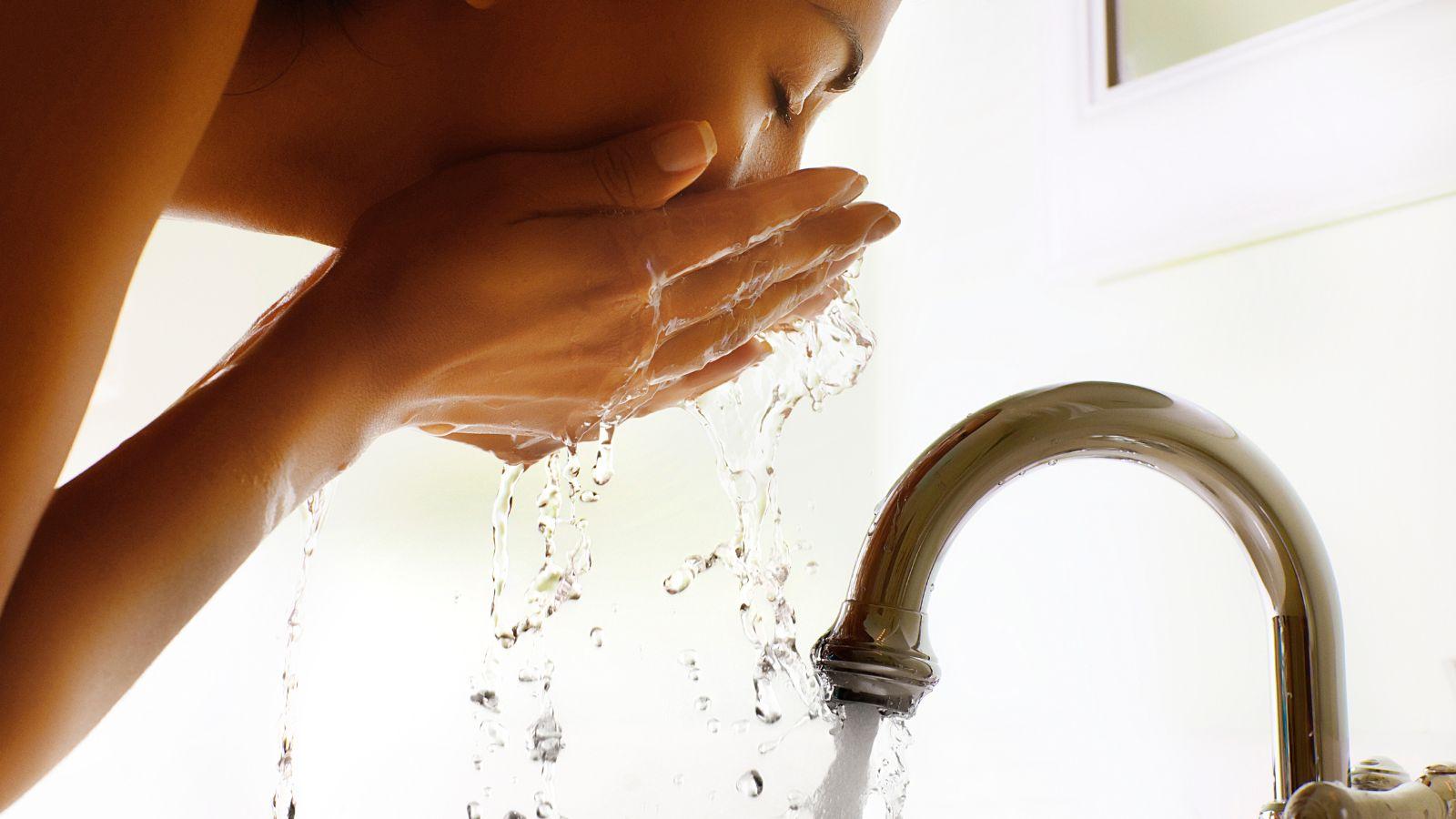
Wash your face using a good quality cleanser morning and night. Use firm upwards sweeping moves when you apply product to your skin to help keep it looking youthful. Treat yourself to regular facials or facial reflexology. 

2. Have Regular Facials or Facial Reflexology

Having regular facials or facial reflexology will help keep your skin supple, ensure that oxygen and nutrients are delivered to your skin, will keep it moisturised and also assist lymphatic drainage. This will keep your skin looking radiant and looking more youthful.

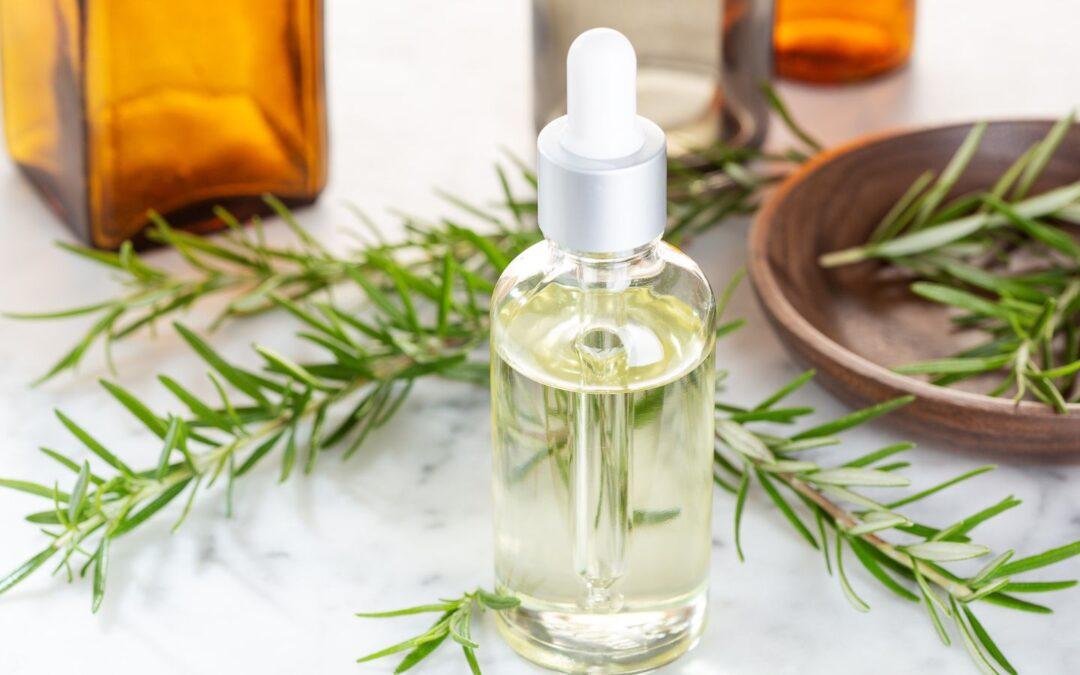
If you find that you’ve not got time to go to a salon regularly to have a facial, you can give yourself a mini facial at home using your own skin care products. All you need for this is a good cleanser or face wash, a gentle exfoliator, a mask, a toner and a good quality moisturiser or serum.

Skincare for menopause new

3. Get well-fitting lingerie

Having a good, supportive bra makes all the difference to how we look and feel. You may find that your breasts have changed size so it is important to get measured properly and to use that measurement as a starting point as there can be variations in fit even within the same size bra. Treat yourself to matching knickers too.

4. Spruce up your wardrobe

Go through your wardrobe and get rid of anything that no longer suits you or that looks tatty or out of date. Any items that no longer fit or suit but are in good condition can be sold on apps like Vinted. 

Pick a few new key pieces to mix and match with other items in your wardrobe. Accessorise with bright scarves or necklaces or chunky jewellery. 

5. Have a great hair cut

A great hair cut can make all the difference to your appearance and give you a great confidence boost.

6. Know who does a good lip and chin wax

Having a few chin whiskers is common as you get older. Find a good beautician who will wax them for you.

7. Avoid environmental stressors

Avoid environmental stressors like smoking, alcohol, refined food and sugar. If you smoke it can be useful to join a smoking cessation programme.

Drink alcohol in moderation, and reduce the amount of refined food and sugar in your diet.

Stay Hydrated and eat lots of antioxidant rich foods like fruit and vegetables. 

8. Get plenty of sleep 

Sleep is key to looking good during menopause. Having enough good quality sleep can help keep away bags from under your eyes and can help you function better during the day. Having a regular sleep routine is vital. Try to get up and go to bed at similar times of day even at weekends.

Related Article

https://www.sarahcooper.co.uk/how-to-get-a-good-nights-sleep/

Hay Fever: What is it and what can you do about it?

Hay Fever: What is it and what can you do about it?

Hay fever: What is it and what causes it?

Hay Fever (or seasonal allergic rhinitis) is caused by an allergic reaction to pollen from grass, trees, or weeds, usually in the warmer spring and summer months between March and September, especially when the pollen count is high. 

This causes the nasal passages, eyes and throat to be irritated producing cold-like symptoms.

For many people, hay fever couldn’t come at a worse time, falling right amongst exam season and at the time of year when outdoor social events like picnics and barbeques are popular and all the neighbours are mowing their lawns!

Just when you’d love to be sitting outside with a nice cool drink, the pollen count rises and you’re left with itchy eyes, a runny nose, a cough and feeling lethargic!

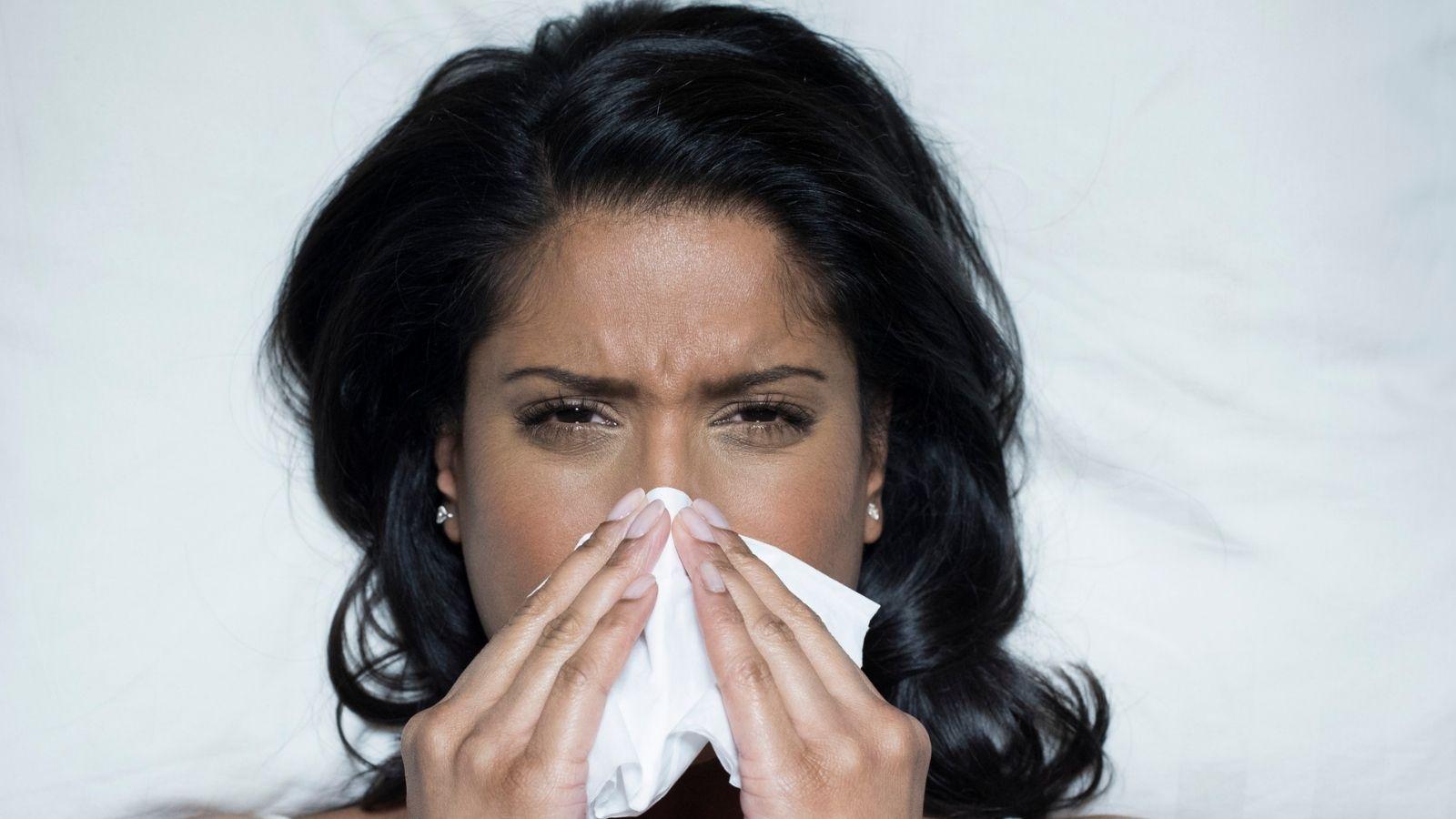
image of woman with dark shoulder length hair sneezing into a white tissue

Symptoms of Hay Fever

  • Sneezing
  • Coughing
  • Itchy eyes which may be red and/ or watery
  • Runny or blocked nose
  • Sore throat
  • Pain or pressure in sinuses
  • Earache
  • Headaches
  • Tiredness/Fatigue
  • Itching around mouth, nose, throat and ears
  • Loss of smell
  • Possible exacerbation of asthma in asthmatics
itchy eyes

How can I tell whether I have Hay Fever or a Cold / Covid?

It can be hard to differentiate between having hay fever, a common cold and symptoms of covid. Generally hay fever gets worse when there is a high pollen count and doesn’t go away quickly. Colds often go away within a week of first onset.

Often with a cold or covid you get a temperature, where as hay fever (despite its name) is not associated with having a fever.

If you are concerned that your symptoms may be covid it is worth taking a lft test to be on the safe side.

Hay Fever: When to see a G.P.

For many people, over the counter antihistamines will be sufficient to keep your symptoms at bay.  Your pharmacy should be able to advise you on the right hay fever remedy for you. 

If you are still struggling after trying over the counter medication, speak to your G.P as there are some stronger medications and treatments that they can offer which are prescription only.

If you find that you start wheezing or find it hard to breathe, or have a diagnosis of asthma and that seems to be getting worse seek immediate medical help.

Image of woman suffering with hay fever to illustrate hay fever what it is and what you can do about it

 What can I do about Hay Fever?


Eat Local Honey

Some people swear by having a teaspoon of local honey every day during the run up to hay fever season, right until the pollen count drops in the autumn. Whilst there isn’t any scientific evidence to suggest that this will work, many people seem to think it does so it may be worth a try!

Use steam to unblock your nose

If you have a blocked nose try drinking a hot drink out of a wide-mouthed mug, the steam will help decongest your nose. Alternatively try having a hot shower or bath or taking a steam inhalation (apart from if you’re asthmatic as sometimes steam can bring on an asthma attack!)

Eat Well

Eating foods that have anti-inflammatory properties can be helpful so things like ginger may help. It is also thought that vitamin C may be helpful so try eating citrus fruits.

Take over the counter antihistamine remedies

Over the counter medications may help, most pharmacies and supermarkets have some kind of over the counter remedy for hay fever in the form of antihistamine tablets or sprays. If you’re taking any other medications it is worth speaking to a pharmacist first to avoid any clashes. There are some varieties of antihistamines that don’t make you drowsy, which are good if you plan on driving or operating heavy machinery.

Have regular reflexology treatments

Regular reflexology sessions may help the symptoms of  hay fever by reducing stress levels, keeping the sinus reflexes clear, helping to clear head congestion and to balance mucus production. Reflexology also helps keep the lymphatic system working efficiently which boosts the immune system.

Try having a cold compress over your itchy eyes

If your eyes are very itchy, try steeping chamomile teabags in boiling water, leave to cool in the fridge and then gently use as a compress.

Hayfever tip do not hang washing out when the pollen count is high

Keep out of the way of allergens where possible!

  • It is useful to keep doors and windows closed on high pollen days. You can buy fans and portable air conditioning units to help keep the air flowing.
  • Avoid being outside during the peak times for pollen. Pollen counts raise during the day, peaking around lunchtime and then fall towards late afternoon.
  • Avoid mowing the lawn, especially on high pollen days.
  • Wear a hat that shades your eyes, use wrap around sunglasses, and a face mask or scarf to help keep pollen out of your eyes, nose and throat.
  • Use a barrier layer to keep pollen out of your nose. Vaseline is popular for this.
  • Cooling eye gels can help soothe sore eyes.
  • A Facial Mist may help soothe your face
  • Wash your face when you come back indoors. You can also buy facial wipes designed especially to help with hay fever symptoms.
  • Avoid hanging washing on the line. Instead dry it indoors or in a tumble dryer, or wait until the pollen count drops again.
  • Wash your hair daily, especially when you’ve been outdoors during the day. Change your clothes and shower when you go back inside so you remove any pollen that may be clinging to you.
  • Avoid having flowers in the house, especially ones that have a lot of pollen like lilies.

Hay Fever Resources

More information about Hay Fever from Allergy UK

https://www.allergyuk.org/types-of-allergies/hayfever/

Check the pollen count for the next few days

https://www.metoffice.gov.uk/weather/warnings-and-advice/seasonal-advice/pollen-forecast

What are the most common symptoms of stress?

What are the most common symptoms of stress?

What are the main symptoms of stress?

When we think of stress we often think of having sweaty palms or a fast heart rate or of butterflies in your tummy.

But there are lots of other symptoms associated with stress. 


Physical Symptoms of Stress include:

  • Headaches
  • Aches and pains
  • Muscle tension
  • Reduced libido
  • Skin breakouts/ acne
  • Nausea
  • Irritable bowel syndrome, constipation or diarrhoea
  • Panic attacks
  • High Blood Pressure
  • Tiredness and fatigue
  • Fast heart rate
  • Struggle to lose weight or weight loss
  • Insomnia
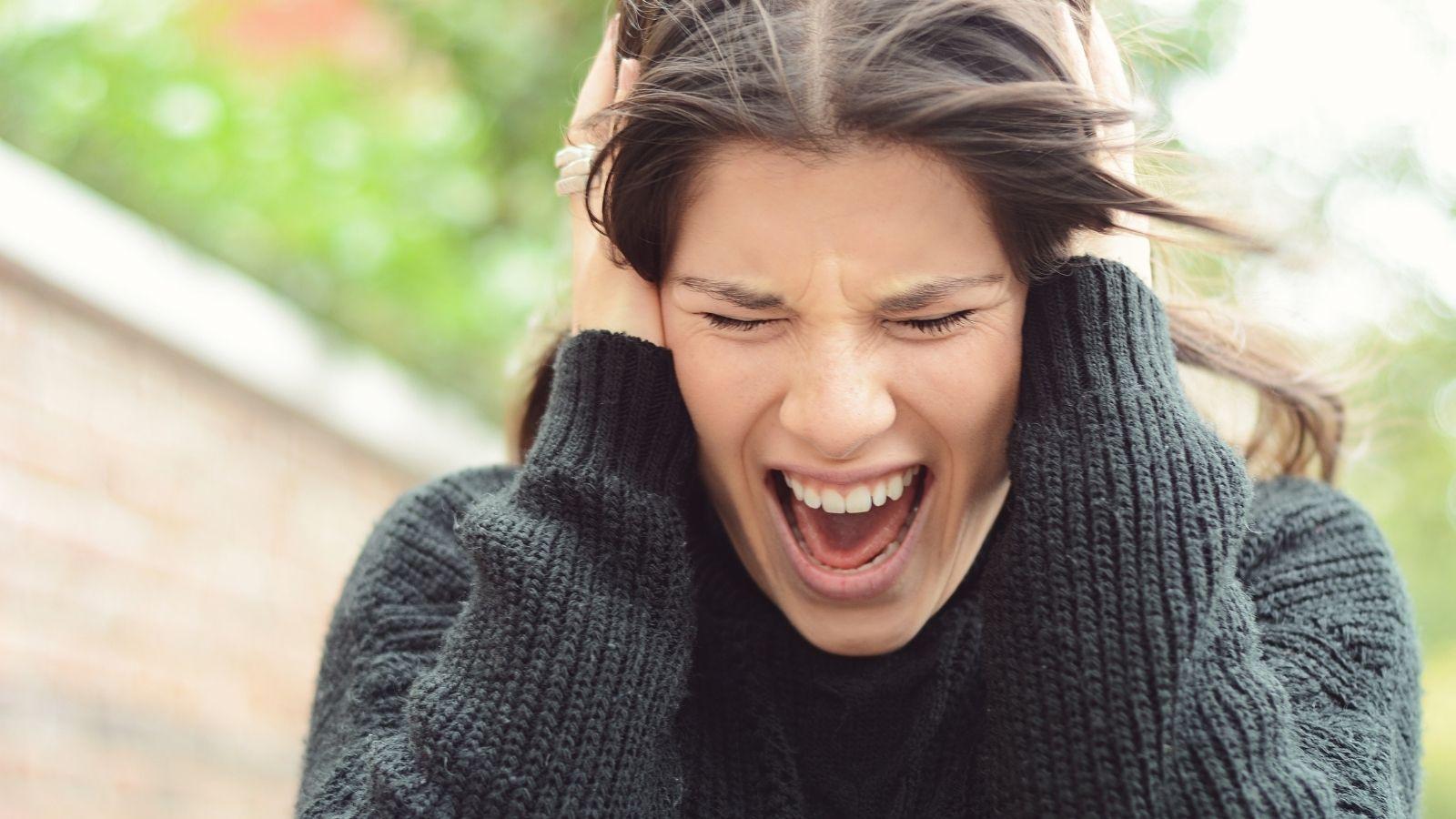
Image of woman holding her head and screaming with symptoms of stress

Emotional Symptoms of stress

  • Aggression
  • Changes in mood
  • Poor decision making
  • Pessimism
  • Low mood
  • Irritability
  • Anxiety
  • Feeling overwhelmed
  • Racing thoughts
  • Constant worrying
  • Feeling weepy/emotional
  • Feeling unable to cope
behavioural symptoms of stress include drinking too much alcohol

Behavioural Symptoms of Stress

  • Reaching out for alcohol, recreational drugs and tobacco
  • Changes in appetite and under or over eating
  • Sleep disorders – sleeping too little or too much
  • Lack of motivation

 blog

Resources

Let’s Talk about Stress

How to stop feeling stressed

7 great ways to reduce your stress levels

Get Help with Stress – NHS

#stressawarenessmonth #stress #stressawareness

Please share this article with your friends

If you enjoy reading my blog posts please share them with your friends by using the buttons to the left or below if you’re using a mobile device or tablet

How can I feel better during perimenopause?

How can I feel better during perimenopause?

Perimenopause is a time of transition between having a regular menstrual cycle and your periods stopping completely. During this time your hormones will rise and fall (often erratically) and you may start to experience a range of physical, emotional and psychological symptoms leaving you feeling grumpy and frazzled.

The good news is there are a range of things you can do to help yourself feel better during perimenopause.

Most of them are fairly quick and easy to implement and won’t add too much extra time to your already hectic day.

If ever there was a good time to really start to look after yourself properly, this is the time.

feel better during perimenopause by eating a balanced diet. Woman next to apple and cupcake

Simple ways to feel better during perimenopause

Have regular meals that are as nutritious as possible

Diet is really important – not only does it fuel your body, it is also vital for stabilising your blood sugar. If you’ve ever found yourself so hungry you’ve ended up feeling ‘hangry’ you’ll appreciate how important it is to have regular meals made up of foods that keep you feeling full and that doesn’t leave you having an energy dip after an hour or two.

Aim to eat 3 meals a day made up with good quality lean protein, whole grains, fruit and vegetables and a couple of energy-boosting snacks to keep you going.

Ensure you drink enough water throughout the day to keep you hydrated.

Limit your consumption of caffeine and alcohol if at all possible.

feel good during perimenopause

Exercise Regularly

Exercise helps your body produce feel-good hormones called endorphins. It can also help keep you toned up and your blood flowing. It can even be fun (honestly!) 

Pilates can be great for helping you keep your core strength up and also for helping your pelvic floor stay in shape.

Zumba can be great for getting your heart pumping and yoga is good for keeping you calm as well as building strength as you do poses such as downwards dog. Swimming is also a good gentle form of exercise. 

If you prefer having fresh air, a daily walk is a good form of exercise. If it’s raining how about doing a dance to some music as you boil the kettle for a cup of tea?

sleep

Get plenty of sleep

Sleep is really important – it helps you feel refreshed and replenished and helps you repair yourself overnight.

It’s really beneficial to get into a regular sleeping pattern, going to bed and getting up at the same time every day (including weekends).

Ensure your room is cool, that you don’t go to bed hungry and that it is dark enough. If possible charge your mobile up in a different room and avoid having any electrical equipment like TVs emitting lights which may keep you awake.

stress relief

Manage your stress levels and avoid known stressors

Try to avoid stressful situations where possible. Some are unavoidable but if you possibly can avoid stress, do.

Get rid of any time-wasting activities which don’t add anything to your life. This could be boring meetings, clubs you’ve joined but dread going to or meeting people for coffee if you’ve outgrown them!

Treat yourself to regular massages or reflexology treatments to help you feel calm and balanced. Having a massage or reflexology treatment at least once every 3-4 weeks can make a huge difference to your stress levels.

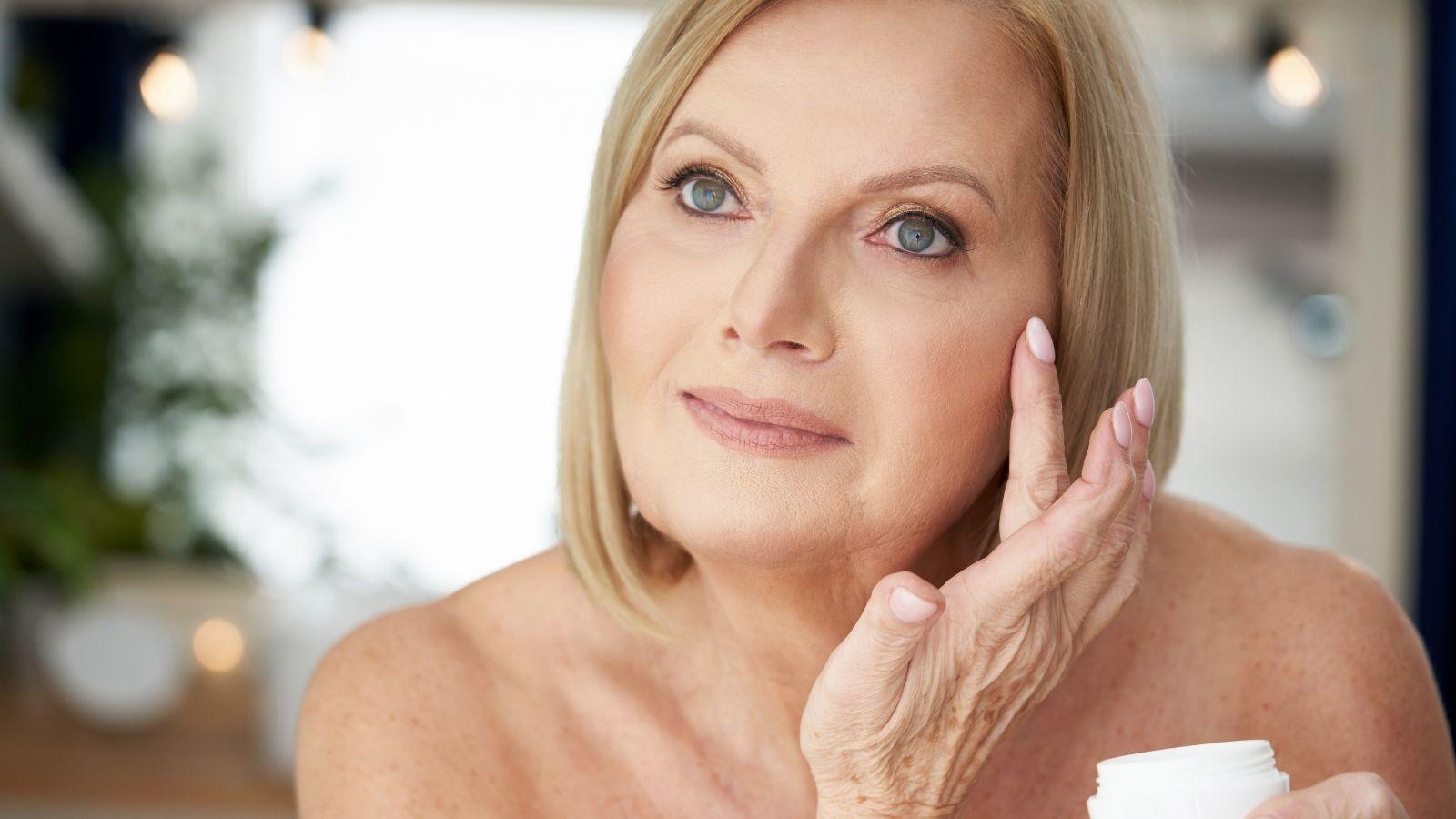
image of woman doing her skincare routine

Use good quality skincare suitable for your skin type

Hormones fluctuating can cause your skin to change – it is not uncommon for menopausal women to end up with adult on-set acne due to these fluctuations of hormone levels.

As you go through perimenopause you may find that your face loses some of its natural padding, your cheek jowls may look looser and you might find that your skin becomes drier or more sensitive.

You may start to notice some fine lines or wrinkles. Using a good quality skincare routine can help with these, leaving you looking radiant. 

image of woman doing her skincare routine

Calm your mind and make time for doing the things you love

Mindfulness can be helpful in perimenopause. Especially if you have a mind full of things that you need to think about and you’re feeling overwhelmed. Doing just the one thing at a time and concentrating only on that can be very helpful.

It can also be really beneficial to take some regular time out for doing the things you love doing, like hobbies or meeting friends for a (decaf!!) coffee.

lets talk about it

Let’s Talk about it!

Talking about how you feel to your friends, family, colleagues and GP can be really helpful. Especially if your friends are a similar age and life stage and probably going through the same things too! 

Struggling along in silence means you’re facing this alone. Whilst it can be embarrassing talking about how you’re feeling at first, it can be hugely helpful.

Your friends and colleagues may be able to share with you what has worked for them. It can be helpful to talk to your partner about how you’re feeling and what you need (whether it’s a tub of ice cream or to be left alone for an hour!) 

What is Complementary Therapy?

What is Complementary Therapy?

We’ve all heard of Complementary Therapy but what actually is it?

As its name suggests it’s a therapy that goes alongside (or complements) other treatments. You continue to take your medication and having any treatments you’ve been prescribed from your GP or hospital specialist.

Complementary therapies like Reflexology are now offered routinely in some hospital cancer clinics whilst people are receiving their chemotherapy. 

This is completely different to Alternative Therapies where you don’t take medication or have procedures or treatments but ‘just’ rely on holistic treatments to heal you.

I always recommend that you DO continue to take your medication and having your treatments. 

If you find that your medication or treatments are not agreeing with you go back to the GP or health professional who prescribed them for advice. 

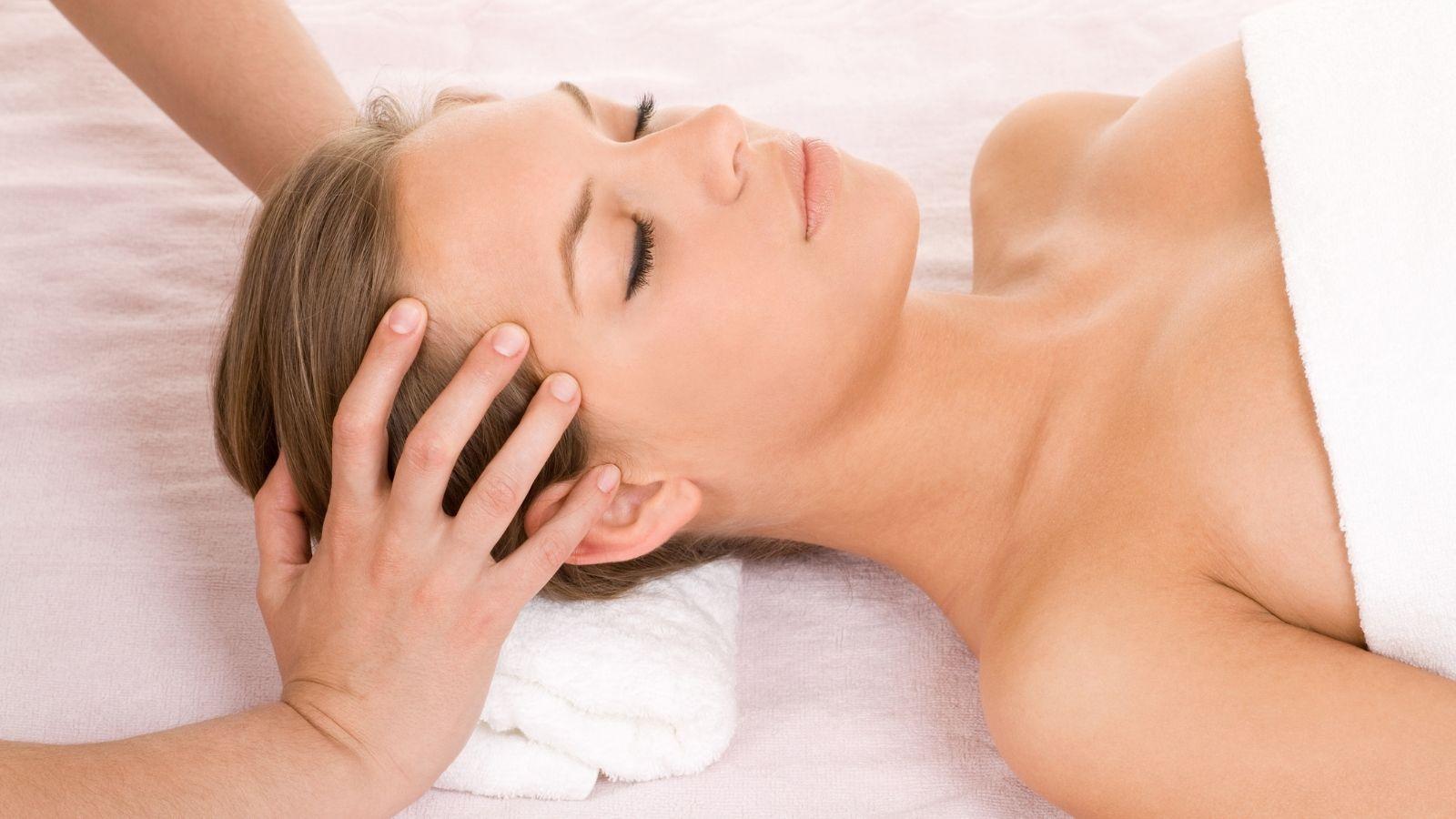
Image of a lady lying down having Indian Head Massage Boroughbridge. The lady has brown hair and has hands on her head. She is wearing a white towel

 How can Complementary Therapies help you?

Usually complementary therapies are calming and supportive and help you to take an hour or two away from whatever you’re dealing with.

For you to be able to off-load some of your worries, to put them down for an hour or so. To be tucked up under a blanket and to simply let go without fear of judgement. That’s what Complementary Therapy allows you to do. That in itself can be very therapeutic.

They are also good for helping tackle some of the problems you may be facing at the source of the problem. For instance if you are suffering with low mood, having a treatment will help produce naturally occurring feel good hormones called endorphins which will help your mood lift a little.

If you’ve got tense muscles having a complementary therapy treatment like massage or reflexology  may help to release tension. 

Having a reiki treatment may help you feel calm and reconnect your mind and body leaving you feeling calm and replenished. 

If you’re struggling to sleep you may find Reflexology helpful. Also whilst they’re helping you to feel more relaxed and calmer, less tense and less stressed or anxious they also (usually!) feel really good. 

Examples of Complementary Therapies include Massage, Aromatherapy, Reiki, Acupuncture, Reflexology, Indian Head Massage, Osteopathy etc. 

Did you know you may be able to get cashback on your Reflexology treatment if you have health insurance? 

Some health plans offer cashback on Complementary Therapies including Reflexology and Acupuncture.

Double check your policy and any specific requirements the company has regarding eligibility as not all companies offer cashback on Complementary therapies and some need the therapist to be a member of a specific professional register or organisation in order to qualify for cashback.


Confession Time – Why I was struggling to get a good night’s sleep

Confession Time – Why I was struggling to get a good night’s sleep

Confession time: I’ve not slept well recently.  Okay okay when I say recently, I mean for the last 13 years.

It took me a bit of fathoming out why this was the case. I mean I’ve written articles on how to get a good night’s sleep on my blog! I KNOW THE THEORY of how to get to sleep. I could stand up and give you a half hour long talk on how to get to sleep and how to stay asleep but could I do it myself?  No!

It wasn’t until having a recent reflexology treatment that it dawned on me how long the problem had been going on for.

‘So how long have you not been sleeping for?’ My therapist asked. I pondered this for a minute or two then realised that I’d not really had a good night’s sleep since 2009.

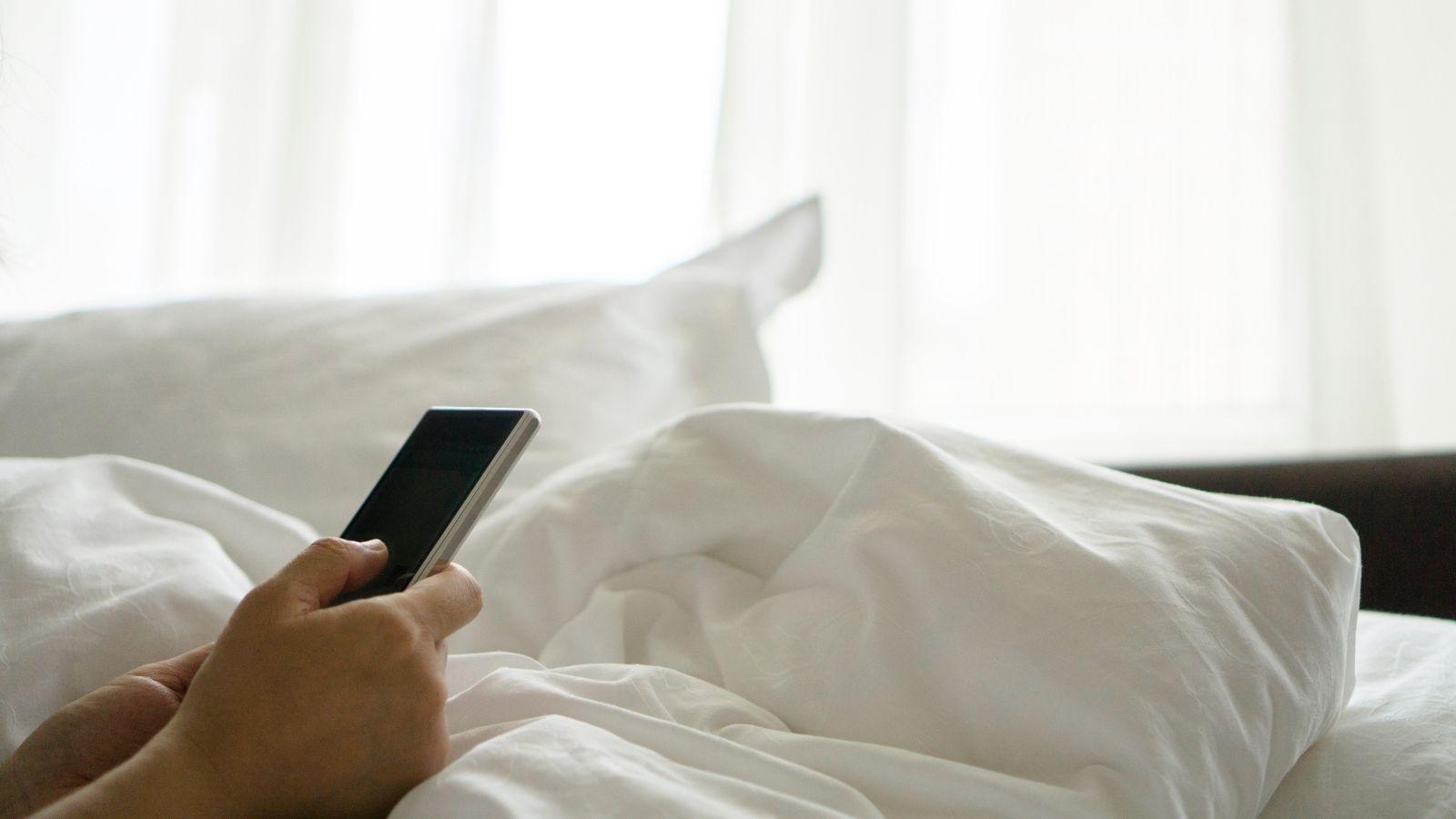
why I was struggling to get a good night's sleep image of person using a mobile phone in their bed

Where the problems started

It all started when I moved house and for a week I hadn’t got a landline telephone. Being the only adult in my household I knew I needed the ability to get help (should I need it quickly) so I’d started taking my mobile phone up to my room with me. Back in those days phones were a bit like 1970s tv in that they had limited capability and people were not overly fond of messaging people in the middle of the night in case they got woken up.

However as time went on I kept on taking my phone upstairs with me. It charged up by my bedside. My new phone helpfully has a little red light so you can find it in the middle of the night and will happily flash if you get a notification. Really conducive for a good nights sleep (not!) 

Tea really didn’t help much either

Now as some of you know I’m also a great fan of coffee and tea . So curling up in bed last thing with a book (on my iPad, yes more technology!) and a nice cup of the finest tea the chimps will drink also wasn’t helping me get a good night’s sleep either. The caffeine was leaving me jittery and needing the loo in the night! 

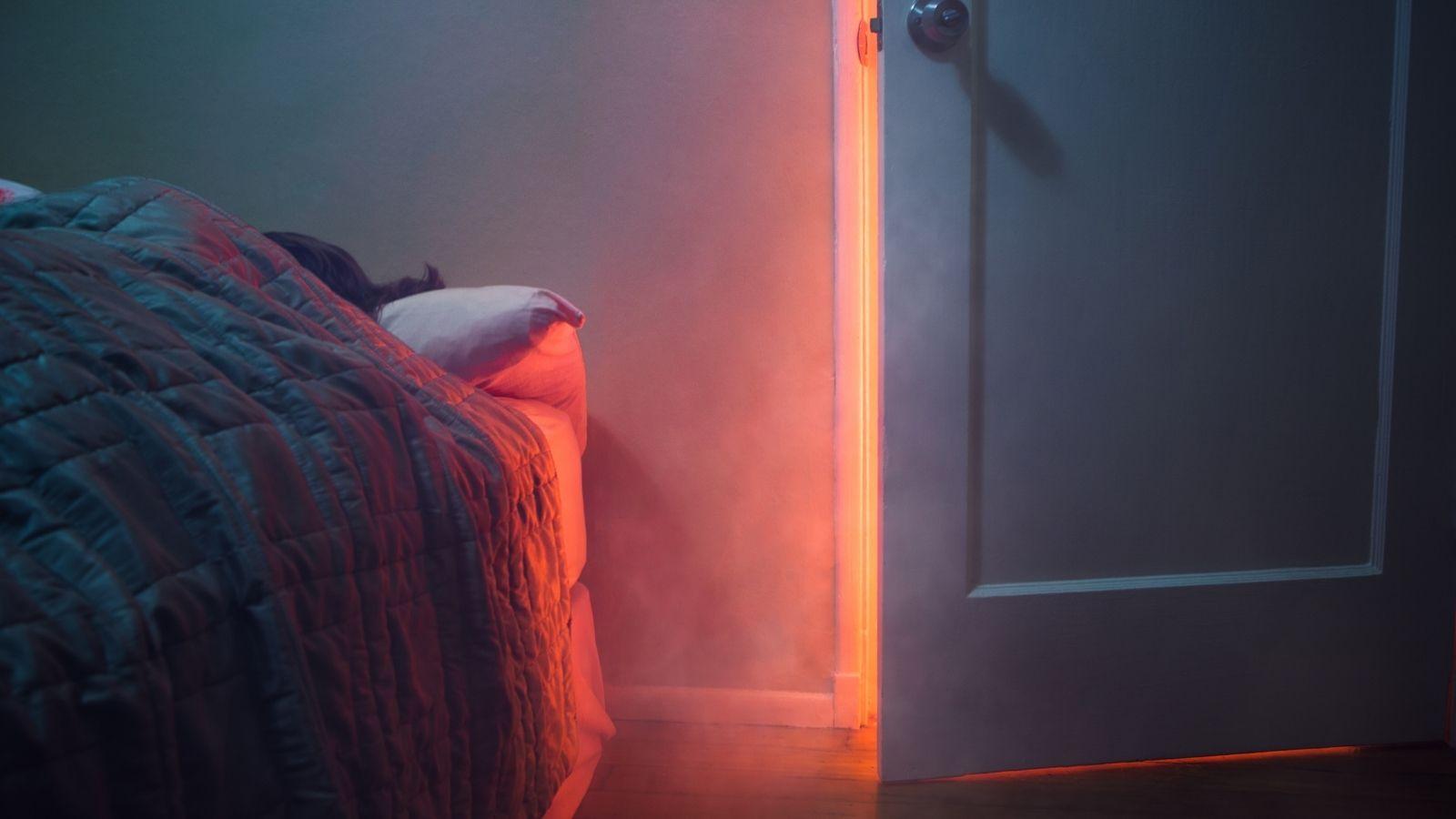
image of a door which is slightly open and a bed

Shut the door!

To cap it all I’d got into the habit of leaving my bedroom door open. My bedroom is fairly small and I am a bit of a free spirit so having the door open felt freeing. It made me feel connected with my children who may need me in the night.

When I figured out that I’d been taking my phone to bed with me for 13 years longer than I actually needed to, it also made me realise that I’d been leaving the door open so I could hear my children if they needed me.

By the way, when I say children, I mean ADULT children. They’re all in their early twenties and have more than enough capability of opening my door if they need me.

It felt like by shutting the door I’d be shutting them out. I realise now this is just downright silly. Plus after reading an article from the local Fire and Rescue service leaving my bedroom door open was downright dangerous according to them.

a pine bed and bedside table piled high with white pillows

All change!

When I was changing my bedsheets last I looked down at my pillows. They’d seen better days I have to say. Then I realised that they were so old I’m surprised the local museum hadn’t been to collect them. They’d moved house with us 3 times! So I’ve bought new pillows and a pretty pillow spray in the hope that that would help.

My phone now charges itself up downstairs in my office. I’m no longer distracted with videos of people squeezing spots on Tiktok at 3am. Now I have no flashing phone light keeping me awake. I’ve now got time on a morning to start the day in a more positive way. I can look at my phone when I’m ready rather than it emitting it’s shining light across the room at me shouting ‘pick me pick me!’ at all hours.

  • My new pillows and spray have made all the difference to my comfort levels.
  • I’ve brought my last cup of tea forward by an hour or two so I’m not needing the loo at 3am
  • My bedroom door is now more or less shut but still able to be opened, even by the cat 
  • If people leave a light on on the landing/bathroom/all the lights on in the entire house (you know what young people are like!) I now don’t get woken up by this either.
  • I have two heavy blankets on my bed which gives me a sense of being weighed down and safe.
  • I’ve set an alarm on my Alexa so I don’t need to rely on having 47 different alarms on my phone to wake me up.

And do you know what?! It is working. I am now sleeping better. I am starting to wake up feeling refreshed and ready to tackle the day.

 The tweaks I made to my bedtime routine were small, and the pillows and pillow spray weren’t hugely expensive but made a massive difference.

bedroom

Over to you!

What area of your life do you struggle with most? Are there any similarly small tweaks you could do today to make a huge difference? Please leave a message in the comments box below.

Indian Head Massage Aftercare Advice

Indian Head Massage Aftercare Advice

Indian Head Massage Aftercare advice

After your Indian Head Massage it is important that you are fully alert before driving home. It can have a deeply relaxing effect on you, so it is important that you’re fully present when you leave the treatment room.

Keep hydrated for the rest of the day.

Whilst it is also a good idea to drink plenty of water BEFORE your treatment, it is vital that you keep hydrated after your treatment. Sipping mineral water (maybe with a slice of lemon added) is perfect. If you prefer a hot drink have a mug of hot water with a slice of lemon added, or drink herbal teas.

Avoid Caffeine and Alcohol

Where possible avoid caffeine and alcohol for the rest of the day.

Avoid smoking and try to have a peaceful afternoon if possible. If you can, schedule your appointment in for a day when you can take the rest of the day off to rest and allow the treatment to fully sink in.

If possible, delay having your shower or bath

If your therapist has used oils it can be helpful to let them settle overnight, so wherever possible avoid having a bath or shower after your treatment. If you really can’t bear it have a warm shower or bath and apply shampoo to your hair whilst it is still dry for maximum effect.

Avoid Conflict

If possible, avoid conflict and anything that may jolt you out of the wonderful blissful fug you are likely to be in. It is advisable not to watch television. If you do watch the television keep the programmes you watch to ones that are soothing and uplifting. I would strongly recommend that you avoid watching the news as they rarely mention any good news. Instead try reading a book or magazine and listening to some soft music.

Try to avoid spicy foods and heavy meals if possible. Keep your diet light and nutritious and don’t eat anything that may put an additional strain on your body.

How may I feel after an Indian Head Massage?

  • Hopefully you will fill deeply relaxed and chilled out after your massage
  • Some people may feel sleepy or tired, others refreshed and energised. 
  • You may feel clearer headed and more able to concentrate
  • You may feel emotional, irritable or weepy, or feel like laughing
  • You may have a good nights sleep afterwards although some people find that they feel a little restless
  • You may feel like using the loo one more one way or another (or both!) or you may feel a little flue-y or have a slight headache. If you do, rest and drink plenty of water, this usually passes within 24-48 hours
  • You may have a feeling of soreness or aching on your muscles or joints. Again rest and drink plenty of water.


Want to know more about Indian Head Massage? Read my article ‘What is Indian Head Massage’

Ready to book a treatment with me? Please go to https://www.sarahcooper.co.uk/book


What is Indian Head Massage?

What is Indian Head Massage?

Indian Head Massage as its name suggests is a massage originally from India which focuses attention on the head.

Traditionally in India women would use oils and massage as a way of keeping their hair strong and in good condition whereas men would have some form of head massage when they visited the barbers.

Indian Head Massage as we know it today was introduced to the UK by Narendra Mehta in the 1970s when he came over to England to study and realised that over here, massage was only offered on the body not the scalp.

Indian Head Massage is very versatile and can be done either seated on a chair or laying on a massage couch.

If you prefer it can be done with oils or if you have an important event afterwards or are taking public transport home you can have it without oils.

Where no oils are being used there is no need to remove any clothes as it can be done fully clothed. Although you may wish to pop your shoes off.

Indian Head Massage Man

What does Indian Head Massage Involve?

Indian Head Massage not only includes massage to the head and scalp, but also the neck, shoulders, upper back and face. as well as rebalancing the upper three chakras.

If you find that you’ve been carrying tension in your upper back, neck and shoulders, Indian Head Massage should help release that by kneading the muscles.

The face massage helps bring nutrients to the surface as well as improve lymphatic drainage. reduce muscle tension, especially in your jaw. This will help to improve the appearance of your skin and may relieve headaches and migraines

Indian Head Massage face

Ready to Book an Appointment?

To Book an Indian Head Massage Appointment with me please go to https://www.sarahcooper.co.uk/book 

New year new you? What’s matter with the old you?

New year new you? What’s matter with the old you?


New Year New You? What’s matter with the old you?

I don’t know about you, but I find that the minute the clock strikes midnight on the 31st December every year my email inbox starts getting filled with emails from just about everyone I’ve ever met, telling me I MUST DO BETTER because it’s a new year! I find this sends me in a fevered frenzy leaving me wondering what is wrong with me and why must I suddenly change just because the clock has struck midnight on a new year?

What’s WRONG with the old me? Aren’t I enough as I am?

I would argue that it’s not up to anyone else to tell me that I’m not good enough, I need to be left alone to figure out whether there are areas of my life that could do with a little gentle tweaking. And it’s up to me to decide if and when to implement those changes.

If I feel that I need to change then fair enough. but please don’t tell me I’m not enough and that I have to turn myself into some kind of kale-munching super bunny just because it’s the first of January.

January is a time when the rest of the world is taking a breather after the madness of December. It’s a time to pause, to reflect and to grow. To eat hearty food, make fires and take naps.

We can start the healthy eating, the jogging, and being something bright eyed and bushy tailed when the world wakes up in spring.

But until then. I’m doing just fine as I am, than you very much!

An invitation to slow down this December

An invitation to slow down this December

Here’s an invitation to slow down, take your foot off the gas and have a gentle December.

Have you found that you spend the whole of December chasing around between parties, present buying, nativity plays, carol concerts, catch ups with friends and so on and so forth.

Every day blurring into the next in some kind of tinsel-and-mince-pie-induced whirlwind? Then suddenly it gets to the Christmas break and you stop.  Just like that! You go from speeding through your days at 70mph with your foot firmly on the accelerator pedal, to suddenly stopping without giving your body any warning!

As soon as there are no more parties to attend, the turkey is in the dog, the stuffing and the rest of the family are well.. STUFFED  you suddenly find that you feel ill.  And it’s not at the thought of the 13 mince pies you had for breakfast either, nor the thought of the looming January credit card bill.

All of a sudden you catch that bug that you’ve so stealthily avoided, or you have an almighty headache, or you come out in a terrible cold. I believe there’s a reason for this. I think it’s kind of like whiplash (not in a physical sense) Like anything if you do something a lot and then you stop just like that it gives your body an almighty jolt. It doesn’t need to be like this.

slow down and have a hot chocolate. image shows a log fire, a yellow ochre blanket and a hot chocolate in a glass

The art of slowing down

One way of avoiding this big energy crash is to start find ways to slow down throughout December. By working at a slightly slower pace where possible. By taking a breath, or a time to  pause each day. Seize any tiny opportunity to slow down, add a calmness, a quiet time, a moment of peace. So when you stop you’re not screeching to a halt you’re simply gently gliding gracefully to a stationary position! 

How to slow down this December

This could be to savour your morning tea without checking social media first so that the day starts in a less frantic way. You could take a short walk outside first thing in the morning. Maybe you could enjoy a pot of loose leaf tea when you come home for the day. It might be that you could finish work on time, or switch off your work phone after work.  Or have some lazy mornings or slower starts whenever you can. Or simply take time to listen to your favourite music without doing anything else at the same time!

You could snuggle up in bed half an hour earlier so you can enjoy a night-time tea and read a chapter of your book. Or simply pouring yourself a long, steamy bath to help you unwind after a busy day.  Do whatever works for you. 

Slow down and have an early night. Image shows picture of a woman in fluffy socks with a book and a hot drink

Slow down: Take each day a day at a time.

It could be something as simple as thinking ‘do I need to do this TODAY?’

Whilst I’m not for a second suggesting you put EVERYTHING off for tomorrow, it can be useful to do one key thing a day, rather than trying to tackle everything.  Delegating tasks to others can sometimes free up time for you to do something calming (and give them something to do so they’re not whining at you because they’re bored!)

It is ok to get help with things and for things to be done in a slightly different way to how you’d do them ( a lesson I often struggle with, being a bit of a ‘my way or the highway’ type!) You absolutely don’t need to do everything yourself this Christmas.

How are you going to slow down this Christmas?

Please let me know in the comments below.

If you like this article please feel free to share it with your friends using the social media share buttons on the left of the page if you’re on a laptop or desktop and below if you’re reading this on your mobile.

6 Quick and Easy Ways to Avoid Burnout this December

6 Quick and Easy Ways to Avoid Burnout this December

Here are some quick and easy ways to avoid burnout this December.

In the past, when I’ve thought of December and the run-up to Christmas, it’s always left me feeling faintly breathless at the very thought of it. Packed with a whirlwind of social events, seasonal catch-ups, frantic shopping trips, carol concerts, Christmas parties and not a minute to catch a breath. This can quickly leave us feeling exhausted, overwhelmed and burned out.

But does it need to be like this? As the nights grow longer and the sunsets more vibrant, it can be helpful to stop for a minute, to interject some calm into the chaos. To breathe deeply.  To enjoy those magical moments, to savour a hot chocolate and a mince pie, to take a bracing walk.

To feel the wind blow in your hair and the breeze clattering your cheeks. To rest for a while with your feet up on the sofa, under a blanket with a good book and a mug of steaming hot tea are all great ways of avoiding burnout.

breathing out

Take a minute or two to breathe deeply from the bottom of your belly, and sigh out any emotion you’ve been hanging on to. There’s nothing better than letting it all go.  If you do this outside on a chilly winters day, you can see your breath as you sigh it out, you can watch it float away. 

Hot chocolate

Look out for the lulls

Even the busiest of months will have its natural lulls. Quieter times, pockets of slower-paced time when you don’t have to be dashing anywhere. Embrace these quieter days.

Treat yourself to nourishing food, early nights or lazy long lie ins (if small children permit this!) Or snoozy times on the sofa, or days pottering around the house maybe. Use these times to recharge your own personal batteries and to do the things you love doing. 

fairy lights

Create a little magic whenever you can! 

Add a little sparkle to your life by using fairy lights and candles and creating cosy corners to snuggle up into. A cosy nook to shelter you from the outside world. A nurturing cocoon that you can retreat to especially if you have a young family or are expected to entertain members of your wider family over the Christmas period.

No one needs to be on call 24/7 (unless you’re a single parent of course!) It is ok to retreat to your own space with a mug of spiced apple tea or whatever you prefer to drink with a good book, your journal, or simply sink into the space, shut your eyes and block out the world for a while.

Christmas dinner

Do things your way. You don’t have to do the same things as everyone else.

It’s ok for you to need some time to yourself. Or for you to buy all the bits of your Christmas dinner pre-chopped so you don’t have to spend the whole holiday slaving away over a hot stove.  No one is handing out awards for the neatest chopped vegetables so take whatever shortcuts makes most sense to you. Or if hiding in the kitchen IS your thing, do that! Just do whatever works for you!

Christmas all wrapped up

Let go of the need for perfection

Don’t worry if things aren’t perfect, often the funniest memories are made from when things go a bit wrong. Let go of expectations, not everyone is going to have a glorious family packed Christmas, some people will be spending Christmas alone, others will find that spending time with family is stressful. 

Just take each day as it comes and don’t be afraid to take yourself out of the way if you need to have some space. It can get a little intense if you go from seeing someone in passing each day, to being stuck in the same room with them for days on end! Everyone needs a little downtime to breathe out or walk off all that turkey and Christmas pudding

For me, my favourite way to celebrate is to have times of connection interspersed with pockets of quiet time where I can be alone and enjoy the peace and quiet. Where I can retreat from the world for a while and read, have a nap, write in my journal or do some painting. 


https://www.sarahcooper.co.uk/how-to-have-a-perfectly-imperfect-christmas-this-year/

https://www.mamacoopskitchen.co.uk/all-butter-orange-mince-pies/


Read More Articles

What is Indian Head Massage?

What is Indian Head Massage?

Indian Head Massage as its name suggests is a massage originally from India which focuses attention on the head. Traditionally in India women would use oils and massage as a way of keeping their hair strong and in good condition whereas men would have some form of...

read more
Time to press pause.

Time to press pause.

Time to press pause? The slight lull between the summer rush and the craziness of the Christmas season can be a good time to press pause for a little while. To rest, take stock, reassess and plan. To deeply exhale. To let anything you no longer need float out of your...

read more
What is Indian Head Massage?

What is Indian Head Massage?

Indian Head Massage as its name suggests is a massage originally from India which focuses attention on the head. Traditionally in India women would use oils and massage as a way of keeping their hair strong and in good condition whereas men would have some form of...

read more
Time to press pause.

Time to press pause.

Time to press pause? The slight lull between the summer rush and the craziness of the Christmas season can be a good time to press pause for a little while. To rest, take stock, reassess and plan. To deeply exhale. To let anything you no longer need float out of your...

read more

Time to press pause.

Time to press pause.

Time to press pause?

The slight lull between the summer rush and the craziness of the Christmas season can be a good time to press pause for a little while. To rest, take stock, reassess and plan. To deeply exhale. To let anything you no longer need float out of your life with ease.

Letting go of things that no longer serves you is great as it makes space for good things to flow into your life. Like decluttering a cupboard, tidying up those loose ends of life can be cathartic and powerful. It can give an odd sense of satisfaction. 

Every year in my business, as the darker nights draw in I take out my business journal and figure out what is working well and what needs to be tweaked. I plan what I need to do next be it book myself onto a CPD course, or whether to add or drop a treatment or package. This tweaking strengthens my business and makes it more coherent.

If you’re not self-employed then you could do this for your home life, seeing if there’s anything you need to add in the coming year or anything that you’d like to let go of. If you like you can make a vision board or mood board or a board on pinterest with ideas of what you’d like.

Christmas all wrapped up

Pausing for a while can help you figure out what you need to get (for who!) for Christmas. It can help you take stock of whether you need to go buy more Christmas cards or whether you’ve still got loads left from last year. Whether you’ve already got enough wrapping paper or whether you need to buy more of that.  

I definitely need to do this this year as last year we were convinced we didn’t own a Christmas tree so bought a new one, only to discover our old one wasn’t actually at the tip like we thought but lounging around in the loft, neglected and sad. 

image of woman taking a photo through the rear view mirror

Taking a pause can be like climbing a steep hill then taking a moment to catch your breath before continuing your journey. It allows you to take a good look ahead and to figure out the path you wish to take. It can also allow you to look back for a while to see how far you’ve come. To look at the obstacles you’ve overcome and how much stronger you are now, a year on.

It can be good to re-gather strength as our lives are ever busier and we often feel like we have to be everything to everyone and this needs to stop.

By taking time to pause, we can reassess what is actually something that we need to do and what is something that someone else can do. It’s so easy for us to do everything because we know it will get done, but sometimes we need to hand back the reins to the other person and let them get on with it even if what they do isn’t to your high standard! 

Pin It on Pinterest

Privacy Overview
Sarah Cooper Reflexology and Massage in Boroughbridge, Ripon and Surrounding Villages

This website uses cookies so that we can provide you with the best user experience possible. Cookie information is stored in your browser and performs functions such as recognising you when you return to our website and helping our team to understand which sections of the website you find most interesting and useful.

Strictly Necessary Cookies

Strictly Necessary Cookie should be enabled at all times so that we can save your preferences for cookie settings.