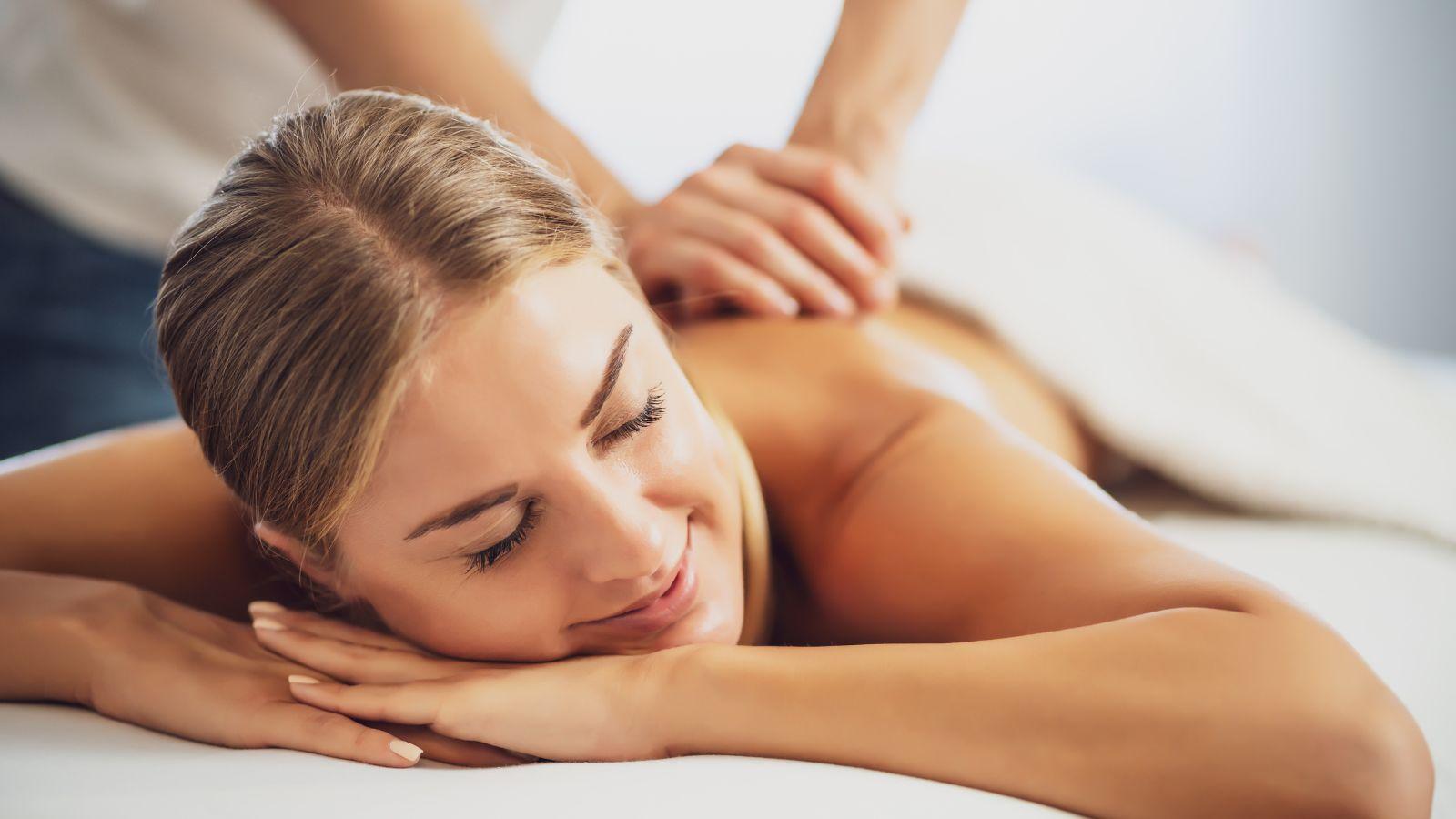
7 Effective ways to make the most of your Reflexology treatment or Massage

7 Effective ways to make the most of your Reflexology treatment or Massage

How to make the most of your Reflexology treatment or Massage

Here are some things you can do to make the most of your reflexology treatment or massage. 

Drink plenty of water and have a light snack

In the run-up to your treatment ensure you are well hydrated. You can do this by having plenty of water or herbal teas, and water-based foods like salads and melon.

This can help you process and eliminate waste products well and can reduce the likelihood of you have a headache after your treatment.

Before your treatment try having a light snack so you’re not hungry. It is a good idea to avoid having a heavy meal or caffeine in the run up to your treatment.

make the most out of your reflexology treatment or massage

Start to slow down

If you normally live life at 100 miles an hour, try taking your foot off the gas in the run-up to your treatment. Try finishing work on time, having some early nights or taking time out for your hobbies. 

Find ways of adding moments of relaxation into your daily routine such as using a meditation app or listening to relaxing music.

There are lots of wonderful meditation and relaxation playlists on streaming services like Spotify or Amazon Music or on Youtube. 

get the most out of your reflexology treatment

Write down anything you need to remember or any worries

Write a list of anything you’ve got to remember or that you’re worried about so you’re not actively having to hold anything in your head during your treatment and so you can completely switch off, relax and let go for an hour. 

7 ways to get the most out of your reflexology treatment switch off your phone

Switch your phone notifications off if possible!

If possible put your phone notifications on silent or switch it off. If having a home visit pop your landline on silent or unplug it during your treatment so you’re not being disturbed by calls, texts and message notifications.

If you have caring responsibilities or small children and need to have it switched on or on loud, then that’s fine 🙂 But if you can, it can make all the difference

7 ways to get the most out of your reflexology treatment rub cream into your feet

Take good care of your feet

In between treatments make a point of taking great care of your feet. Massage a little foot lotion into your feet, especially after having a bath or shower before bed. If you find it hard to sleep this can be particularly helpful as massaging your feet can help you to start to relax and unwind, thus aiding a good nights sleep.

Related Article 

https://www.sarahcooper.co.uk/how-to-take-care-of-your-feet/


get the most out of your reflexology treatment. by relaxing afterwards. Image of lady relaxing with a book

Allow time afterwards to relax and unwind.

Try to allow at least a couple of hours to relax after your treatment. It can be really helpful to clear your schedule to allow you to rest and recharge.

Whilst nothing bad will happen if you go straight back to work/caring responsibilities afterwards it can be a bit of a jolt.

Taking time to put your feet up and relax, read a book, listen to a podcast, go for a short stroll, flick through a magazine or have a lazy lunch can be just the ticket.

get most out of your reflexology treatment by booking regular appointments. image of woman with laptop

Book Regular Treatments

Booking regular reflexology or massage appointments can help keep you feeling calm and relaxed and help you manage your stress levels.

Treatments can have a ‘snowball’ effect in that every treatment is like adding an extra layer so the more you have the more useful it is.

It is also useful to have treatments with the same therapist so they can get to know what you need and you can feel comfortable with them.

To book your next appointment with me please go to 

https://www.sarahcooper.co.uk/book

To find out more about Reflexology Aftercare advice go to https://www.sarahcooper.co.uk/reflexology-aftercare-advice

To Choose a gorgeous body lotion or foot cream go to https://uk.nyrorganic.com/shop/sjcooper/area/shop-online/category/body/


10 Great ways to instantly boost your mood

10 Great ways to instantly boost your mood

10 Great ways to instantly boost your mood

If you’re feeling a bit glum right now you need to read this!

January in particular can feel a bit flat after a whirlwind of present wrapping, partying etc. Once the Christmas decorations are down you can end up with a feeling of ‘now what?!’

Money may be a bit tight, so I’ve written a list of my favourite ways to instantly boost your mood that don’t cost a lot of money and that you can do without a lot of extra effort. Afterall who has energy for that right now?! Not me, that’s for sure!

image of a woman playing a classical guitar

Put on some upbeat music – or play your favourite musical instrument!

Music can be a very effective instant mood booster. Play some lively upbeat music – housework songs normally are fairly upbeat as is clubland music. Or you might prefer some classic 80s hits or some rousing opera music. If you have a music streaming service experiment until you find something that suits your mood!

If you’re musical and have a musical instrument stuffed in a cupboard somewhere, dig that out and blow the cobwebs off it. 

instantly boost your mood image of a curly haired lady dancing

Instant mood booster! Get moving!

Find creative ways to get your body moving as you go about your daily activities. Dance whilst the kettle boils.

Take the stairs, not the lift (if you’re mobile enough to!) Walk to the post box or when doing errands within walking distance. Or try an online workout or yoga class. There are loads available for free on YouTube. Exercise is great for boosting your circulation, increasing endorphins and bringing about that feel-good factor!

Image of a family going for a winter walk

Get some fresh air!

There’s something wonderfully uplifting about being outdoors. Maybe it’s the feeling you get from the wind blowing your face or the change of scenery. Or the chirping of birds in the trees. If you can’t go for a brisk walk or a run, try simply spending time having a cuppa in the garden or by the door. If you fancy a catch up with a friend, maybe get a takeaway coffee and go for a walk?

instant mood booster have a long hot shower

Take a shower

Take a long(ish!) hot shower. Imagine all your worries being washed down the plughole. There’s something very therapeutic about having a good shower, washing away any worries you may have, and then pulling on your favourite clean clothes afterward.

Image of woman calling a friend

Call or Write to a friend

Can you remember the last time you wrote a friend a letter? Or the last time you received a letter from a friend? Write a long, chatty letter to a friend and pop it in the post. Alternatively, give them a call or have a catch-up on zoom or Facetime.

Image of woman laying on sofa watching Tv

Watch a funny movie or a re-run of your favourite tv show.

There’s something deeply comforting about watching something that you’ve already seen before, especially if it allows you to switch off enough to relax deeply. Having a good belly laugh can be just what you need if you’re feeling down.

create a cosy nook

Create a cosy nook and curl up with a good book

We all need somewhere safe to retreat from the world. Create a cosy nook with warm blankets, soft cushions, deep squishy pillows and scented candles if that’s your thing.

Curl up there with a good book or some colouring-in or some crafting or simply take a nap!

*Make sure your candles are blown out if you’re having a nap*

Image of a diffuser

Diffuse an uplifting essential oil

Diffuse an uplifting essential oil like sweet orange or mandarin essential oil.

Add 2-3 drops into some water in a diffuser and diffuse intermittently thoroughout the day for best effects. 

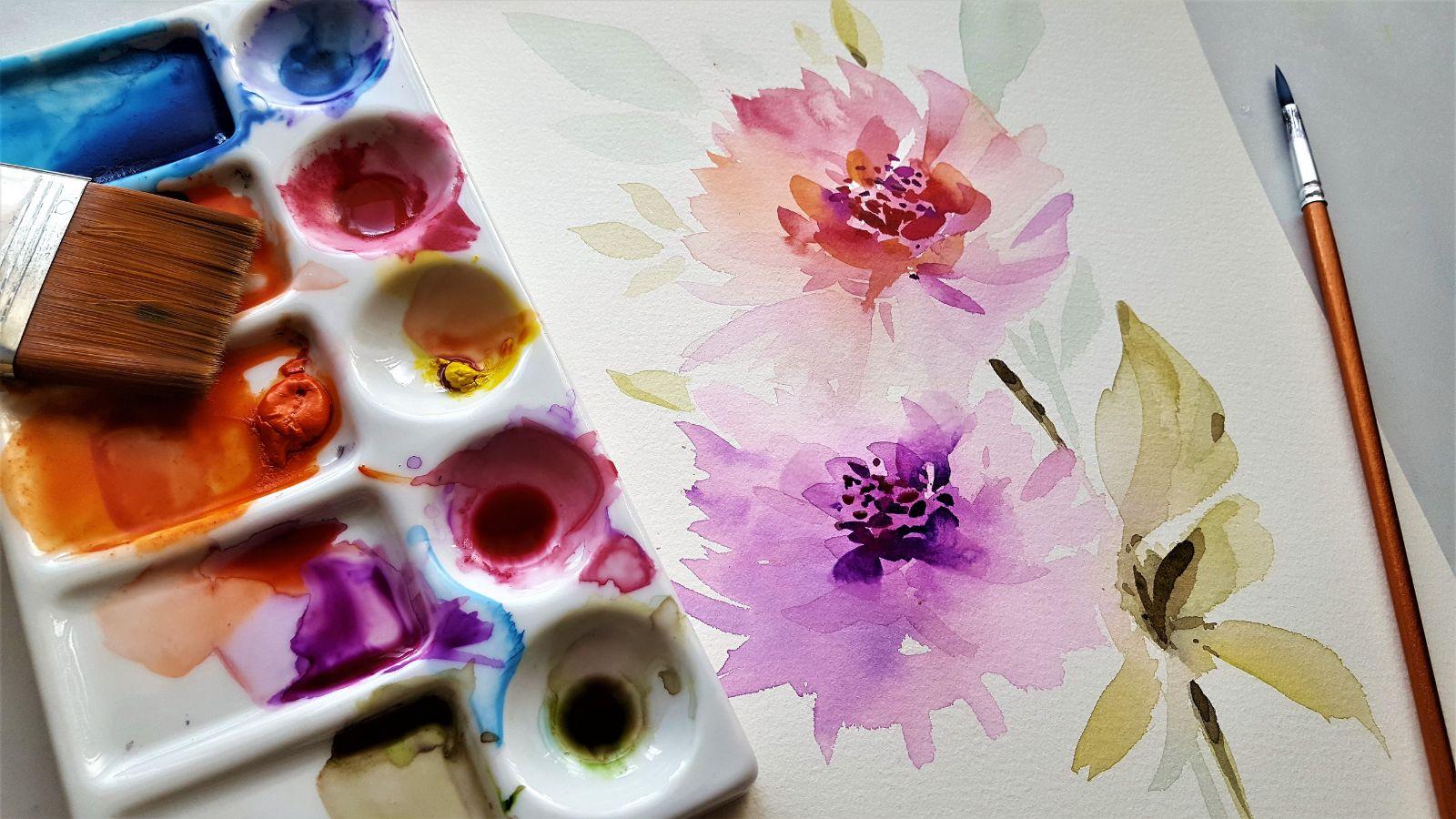
image of art supplies and watercolour painted flowers<br />

Play! Do something for the sake of doing it without an intended outcome.

When was the last time you simply played the way you used to do as a child? With no set goal in mind, just playing for playing’s sake?

Reconnect with your inner child and do something playful. This could be getting a canvas and some paints and creating some textures and swirls in an abstract way.

Or knitting something or building something with Lego or making some jewellery out of Fimo or writing a story or a poem.

Be absorbed in the process rather than intent on it being ‘good’ or useful at the end of it! 

image of a woman looking at a recipe on her laptop

Experiment!

Sometimes we get stuck in a rut by doing the same things all the time.

Experimenting with something new can lift the mood and get those neurons firing in your head!

You could try a new recipe or go for a coffee or lunch at a different coffee shop to your normal one. Or ask a friend who you don’t know as well if they’d like to meet up for a chat?

Or you could explore a nearby town that you’re not so familiar with or visit a tourist attraction on your own doorstep.

If you would like some new recipes to try go to https://www.mamacoopskitchen.co.uk where you’ll find a collection of my favourite recipes

Image of a big bubble in winter

Capture a sense of magic!

Look out for magical moments in your day to day life. Whether it’s a frosty fence with a gorgeous sunrise or the rainbow effect of bubbles in your bath. Or the majesty of the stars as they shine at night or the power of the full moon. There are lots of magical moments to lift your mood if you look carefully for them.

Taking photos of beautiful sunsets, things that have made you laugh etc can give an instant boost to your mood. Save them into a folder so when you next feel down you can have a look through and cheer yourself up!

Related Articles:

https://www.sarahcooper.co.uk/10-simple-ways-to-help-you-feel-better-about-yourself/ 


https://www.sarahcooper.co.uk/10-ways-to-make-yourself-feel-fantastic/


https://www.sarahcooper.co.uk/quick-and-easy-ways-to-lift-low-mood/


https://www.sarahcooper.co.uk/easy-ways-to-get-yourself-out-of-a-funk/


What do YOU do to boost your mood? Please let me know in the comments below


Seasonal Affective Disorder – What it is and what can help you feel better

Seasonal Affective Disorder – What it is and what can help you feel better

Seasonal Affective Disorder (SAD)

Seasonal Affective Disorder is a type of depression which typically comes on around the time the darker nights start to draw in in the Autumn. It is thought to affect around 1 in 20 people each year.

The difference between seasonal affective disorder and other forms of depression is that this generally goes away once the winter months are over and the lighter nights come back in Spring.

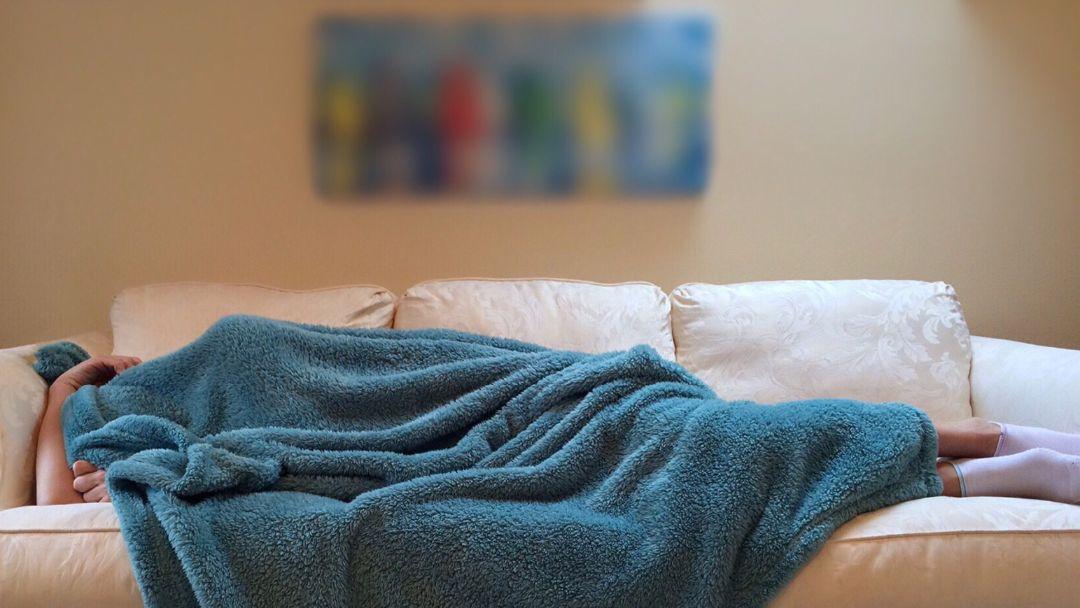
Seasonal Affective disorder : image of exhausted person asleep on sofa under a blue blanket

Symptoms of Seasonal Affective Disorder include:

  • Changes to mood including low mood/ feeling depressed.
  • Irritability, anger, anxiety.
  • Changes to energy levels and sleeping patterns – sleeping too much in winter or not enough in summer.
  • Lack of concentration
  • Lowered self-esteem
  • Loss of libido and feeling like retreating from the world
  • Changes of appetite. Having cravings for foods high in fat, sugar and carbohydrates. Weight gain (from eating too many donuts) see above.
  • Being susceptible to every common cold/ cough/illness going
  • Feeling the need to hibernate 
  • Loss of interest in hobbies/pastimes/ feeling like no joy in life
  • Feeling like life is not worth living/ having suicidal thoughts
Seasonal Affective disorder. Lack of light may affect the body's ability to produce melatonin and seratonin, Image of light bulb on a gloomy background

What causes Seasonal Affective Disorder?

Whilst the actual cause of seasonal affective disorder is not known, it is thought that there may be a link between lack of light levels and the bodies ability to make the right amount of melatonin and serotonin.

Melatonin is responsible for helping with sleep cycles and serotonin is thought to be linked to mood.

Daylight helps us to know the difference between daytime and nighttime and so is (inevitably) confusing to our circadian rhythms when it is dark at 3pm! 


Things to help you feel better

Seasonal Affective Disorder SAD daily walk

Take a morning walk each day

Take a daily morning walk come rain or shine. Having a walk first thing can help your body get back in tune with its circadian rhythm. 

Seasonal Affective Disorder SAD

Enjoy regular Exercise!

Instead of meeting friends for lunch, try meeting them for a takeaway hot chocolate and go for a walk somewhere pretty.

Get plenty of exercise, even if you don’t feel like it. Start slow and build up. Aim for at least 30 mins a day if you can.

Seasonal Affective Disorder SAD slow cooker

Eat a varied, delicious and nutritious diet

Plan meals ahead so you’re not left craving donuts and other sugary snacks.

If you have a slow cooker, popping something in for dinner before you go to work can help ensure you are fed something nutritious and delicious each day.

For ideas on how to use a slow cooker click here

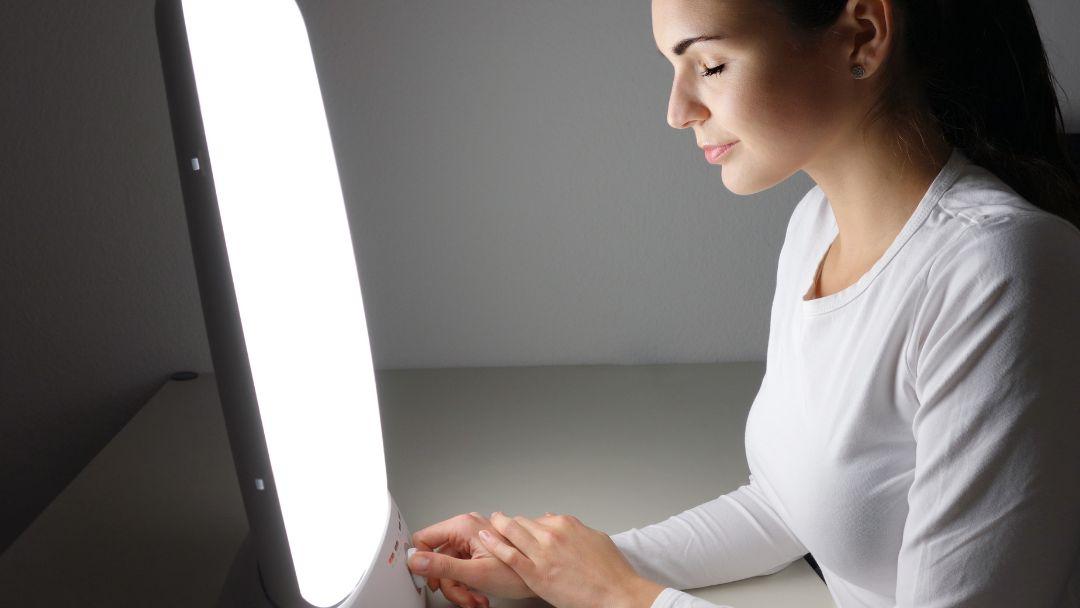
Seasonal Affective Disorder SAD light therapy

Daylight Bulbs

Buy daylight bulbs for your living room/ office. 

Set a table lamp to come on in your bedroom at the same time each day. If you have a smart plug and a table lamp this can be really easy to set up.

Use a full spectrum bright light or SAD lamp. These can be bought from good electrical retailers and from Amazon

Seasonal Affective Disorder SAD vitamin D

Get enough Vitamin D

According to the government most people in the UK have insufficient reserves of Vitamin D to get them through the winter months and it can be difficult to get vitamin D from food and sunlight sources alone.

Speak to your Pharmacist to discuss whether or not having a vitamin D supplement would be right for you and your family. It is important to get the dose right, having too much can be problematic.

Whilst there is inconclusive evidence to link seasonal affective disorder and low levels of vitamin D, having insufficient levels of vitamin D can make your mood drop and your energy levels plummet so it is worth researching.

Related Article: https://www.nhs.uk/conditions/vitamins-and-minerals/vitamin-d/

Seasonal affective disorder what can help? Image of a cosy winter scene with a mug and some fairy lights

Embrace the opportunities the darker nights bring

The darker nights can give you the perfect opportunity to hunker down and do cosy things like read a book or watch a box set, do some crafting, write that novel you’ve been talking of writing, or simply to deeply rest for a while. 

This time of year is perfect for going at a slower pace and just like nature, it is ok to simply regroup and gather strength each evening. Embrace warm baths, early nights, hot chocolates by the fire.

Related article https://www.sarahcooper.co.uk/how-to-avoid-burnout-this-december/

Seasonal Affective Disorder SAD when to get help

When to get help

If you are not coping, speak to your GP. They may be able to prescribe SSRI based antidepressants or refer you for CBT. 

If you feel suicidal or have thoughts of self-harm get urgent medical help

Menopause-related Anxiety. What makes it stop?

Menopause-related Anxiety. What makes it stop?

About Menopause- related Anxiety

If like many women you’ve reached your 40s and 50s and are suddenly feeling anxious for seemingly no reason, you’re not alone.

Anxiety is a common symptom of both perimenopause (the transition between having periods and them stopping permanently) and the menopause.

You can start feeling anxious about things that never used to bother you. Things like meeting friends or going to new places or even old, familiar places. Or you might find yourself waking up in the night feeling anxious for no specific reason.

Menopause related Anxiety symptoms

What causes menopause-related anxiety?

Two main things contribute to menopause-related anxiety. The first is the fluctuating hormones surging around your body and the second is lifestyle factors. They can both be interlinked.

The decline in oestrogen and progesterone can make it hard for you to get any quality sleep. Suppose you’re being kept up all night with night sweats, or the need for another midnight wee. In that case, you’re probably exhausted and thus relying more heavily on things like ready meals, snacks on the run, takeaways or attempting to self-medicate with coffee to get you going and alcohol to help you unwind at night. These can all be overstimulating, play havoc with your blood sugar levels, mood and affect your anxiety levels.

Perimenopause and menopause also comes at a time when there is a lot of change happening in your life. You may be at a key point in your career or sending your children off to high school for the first time or feeling like you’ve got an empty nest as teenagers go to university and create a life for themselves.

Elderly parents may need more of your time and attention too. This can keep you awake half the night worrying about them and if they’re going to be ok.

Menopause related Anxiety palpitations

What does menopause-related anxiety feel like?

You may experience a range of symptoms from

  • Fast heart rate
  • Faster breathing
  • Feeling nauseous
  • Having pains in your chest
  • Dry mouth
  • Sweaty palms
  • Palpitations – being aware of the beating of your heart
  • Panic attacks

Check out full list of anxiety symptoms here

Menopause-related anxiety reduce coffee and sugar intake

What can you do to stop menopause-related anxiety?

  • Cut back on caffeine, sugar and alcohol. 
  • Have plenty of water to help you stay hydrated
  • Eat regular meals based on wholegrains, fruit, vegetables, and protein. Stop eating processed food.
  • Manage your workload. Is there something you can cross off your to-do list that you don’t ever need to do? Work out what you need to do today/this week and prioritise that!
  • Get plenty of good quality sleep if you can. Go to bed at the same time every night and get up at the same time each morning
  • Get moving! Exercise if you’re able to do so can give you a big boost, and can help keep you calm at the same time
  • Learn how to relax! See related article Relaxation why is it so important?
  • Meditate! Learn meditation and mindfulness or have a meditation track to listen to to calm you down.
  • Get a relaxation ready-to-roll aromatherapy roll-on
  • Avoid things that make you anxious like unnecessary social media activity. 
  • Put your phone onto do not disturb unless you’re expecting a call or have small children/sick relatives etc
  • Take time for yourself every day even if it’s just for 10-15 mins
  • Manage Stress levels Have regular reflexology treatments or aromatherapy massages to help keep you calm and balanced.
Menopause related Anxiety speak to your GP

Speak to your G.P. or a menopause clinic

Your doctor may offer you C.B.T. (cognitive behaviour therapy) or H.R.T. (hormone replacement therapy) or antidepressant medications, some of which are good at reducing symptoms of anxiety.

They may also run blood tests to see if you’re deficient in any vitamins or minerals. 

Menopause related Anxiety get support

Reach out for support

If you are feeling anxious a lot of the time you may need support from family, friends, colleagues, or your workplace. There is support out there. Often people have no idea what menopause is or how it affects people. If you explain how you’re feeling they may be able to put things in place to help you.

Join my Facebook Menopause Support Group

If you would like support from women who are going through the same kinds of things as you please join our Menopause Support UK Facebook Group

What is the difference between a headache and a migraine?

What is the difference between a headache and a migraine?

What is the difference between a headache and a migraine?

We hear a lot about headaches and migraines but what is the difference between the two?

Generally speaking, a headache is a stand-alone pain in your head. A headache is not usually accompanied by any visual disturbances, vomiting and neurological symptoms and often affects both parts of the head equally.

Headache pain can feel like a tight squeezing, or a sense of pressure in a band around the head. It may be accompanied by pain or pressure behind the eyes.

Headaches usually come on slowly and may not interrupt your day to day activities too much.

Most headaches can be managed by taking over the counter pain killers and resting. Having a light snack and a glass of water may also help.

What is the difference between a headache and a migraine? Image of woman holding head with headache

Migraines

A migraine is often a more painful, one-sided headache which may or may not be accompanied by an aura, visual disturbances, neurological symptoms and/or nausea and vomiting.

Visual disturbances can include flashing lights, zig-zagging, double vision, blind spots and blurring. 

Neurological symptoms can include tingling in the limbs, pins and needles, facial numbness, loss of sensation or numbness in the arms and legs, confusion, dizziness and loss of speech.

Many migraine patients find that they cannot continue their day to day activities and have no choice but to lay down in a darkened room with some painkillers and an ice pack until it passes.

Migraine patients often notice that they feel irritable, hungry or thirsty in the run up to a migraine. It is almost like the migraine has to gather strength in order for it to happen. 

Interestingly, some people don’t actually get a headache with migraine, this is known as silent migraine, they just get some of the other symptoms. Children often experience stomach migraine where they vomit rather than have a headache.

After a migraine, there is often what feels like a migraine hangover. This is what’s know as postdrome. Resting and keeping yourself sufficiently hydrated and have small, regular meals.

Related Articles: What causes headaches?

Chronic Migraine Survival Kit
Migraine Triggers


What causes headaches? Common causes of headaches

What causes headaches? Common causes of headaches

What causes headaches?

Common causes of headaches include diet and lifestyle factors, environmental factors, poor posture and muscle tension.

By making some simple tweaks to your working environment, diet and lifestyle, and managing your stress levels you should be able to reduce the number of headaches you have each month.

Not sure what causes your headaches?

If you are not sure what causes you to have headaches it would be worth keeping a headache diary for 3 months to see if your triggers are hormonal, lifestyle, environmental or stress related.

What causes headaches neck pain

Here are some of the most common headache triggers.

Causes of headaches: Muscle tension

Having tense neck muscles can cause headaches. Muscle tension can be exacerbated by having pillows at the wrong height, having too many pillows, having poor posture or working with your computer set up at the wrong height.

Top Tip: If you find that you are holding tension in your neck try adjusting your working environment so that you’re not squinting at your monitor or holding your neck at a weird angle and check how your spine feels when you’ve got your head on your pillows.

Having regular massages or reflexology treatments can help reduce muscle tension. 

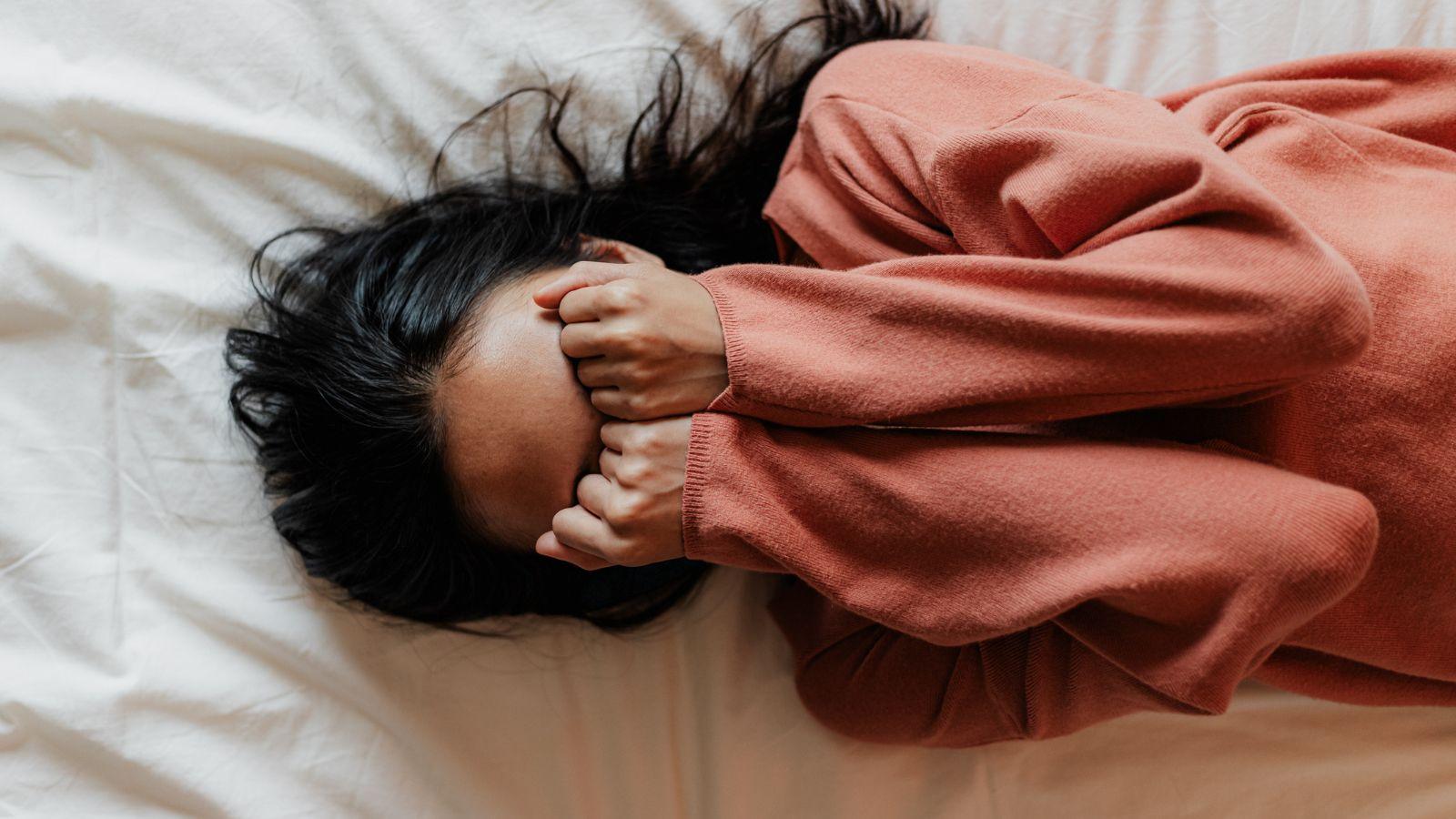
7 great ways to reduce your stress levels. Image of stressed woman lying on bed holding her hands over her face

Causes of headaches: Stress

Stress can be a big contributing factor to headaches. As you will know if you’ve ever been truly stressed, it can be impossible to think straight whilst your body is in fight, flight, freeze mode. Your body will start to shut down any unnecessary processes making it hard to sleep or eat properly.

This can all bring on a headache. If you are getting lots of headaches stress may be the cause.

Top Tip:
Try listening to calming music, meditations or podcasts, do some deep breathing exercises or take a yoga class.

Related Article: https://www.sarahcooper.co.uk/lets-talk-about-stress/

What causes headaches dehydration and lack of food

Causes of headaches: Dehydration and hunger

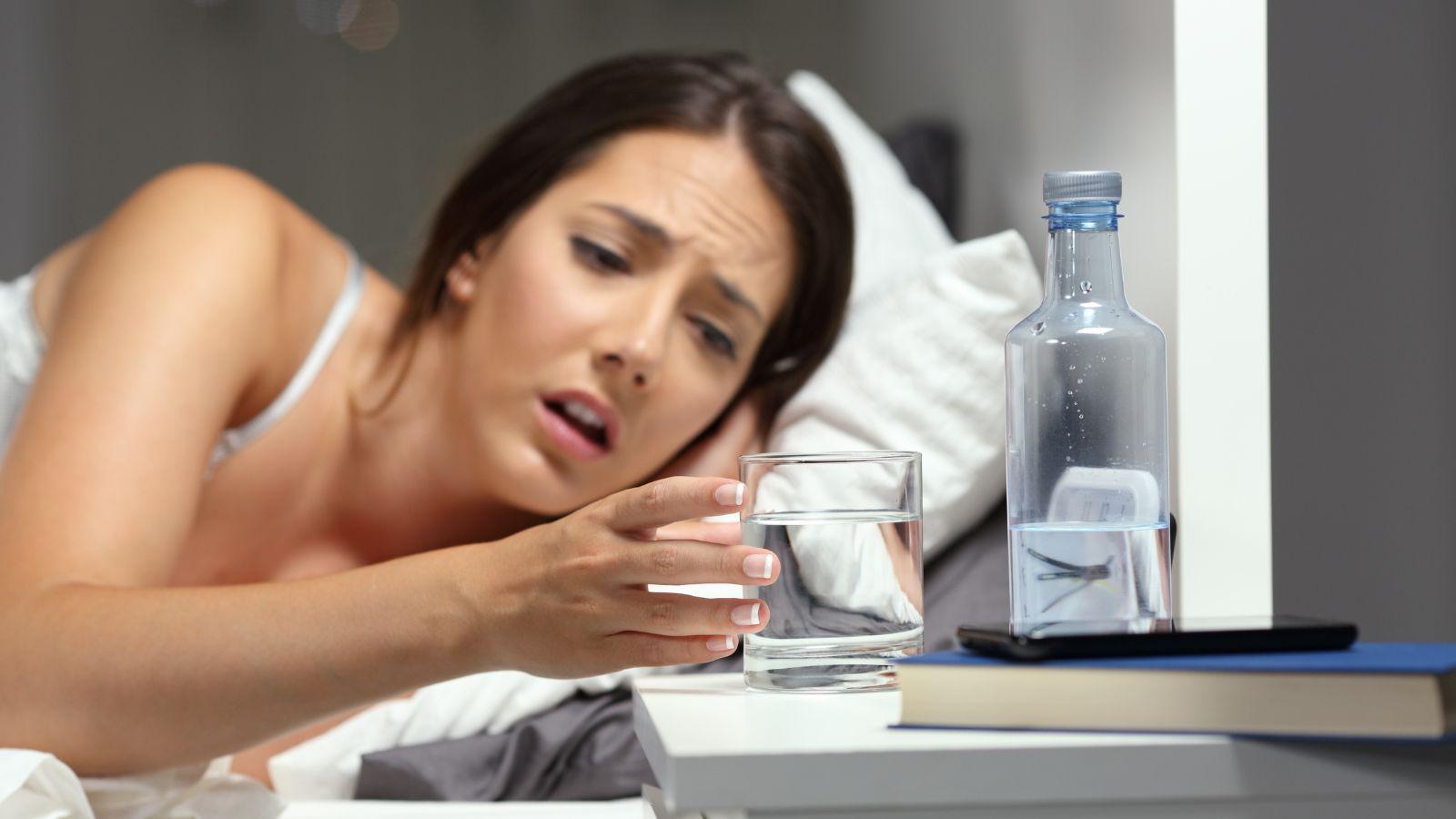
One of the most common causes of headaches is dehydration and hunger. If you skip meals because you’re busy or don’t drink enough water it is likely you will have a headache.

Top Tip:
Try to eat regular meals based around protein and fruit and vegetables and complex carbohydrates and have plenty of water to drink throughout the day.

What causes headaches caffeine withdrawl

Cause of headaches: Too much or too little caffeine

If you are used to drinking a lot of caffeine, suddenly reducing your caffeine intake is likely to bring on a headache.

That said, having too much caffeine can also bring on a headache.

Some people drink coffee more at work than at home (or vice versa) and suddenly changing may result in a headache. 

Top Tip: If you want to reduce your caffeine intake do so slowly. If you’re very used to drinking caffeine and have a headache, having a caffeinated drink may ease your headache.

What causes headaches hangovers

Cause of headaches: Hangovers

Hangovers can cause headaches due to dehydration. Your body will be working harder to process the alcohol. Alcohol is notorious for disturbing both your sleep patterns and your mood and may leave you feeling hungry.

Top Tip: 

Drink plenty of water before bed and eat a light snack. Try to eat and drink something if you can when you wake up.

What causes headaches hormonal fluctuations

Cause of headache: Hormonal Factors.

Fluctuating hormones can cause headaches. Many menstruating women notice that they have a headache when oestrogen levels dip in the last 2 or 3 days of one cycle and the first 2-3 days of the next.

If you’re finding that you have a headache from day 26 – day 3 of your period, hormones could well be a factor.

Headaches are also common during perimenopause (the run up to the menopause) and during the first trimester of pregnancy.

If you are in your second or third trimester of pregnancy and have a sudden, severe, headache please get urgent medical help

See NHS article on Pre-eclampsia Symptoms

https://www.nhs.uk/conditions/pre-eclampsia/symptoms/ 

What causes headaches side effects of medication

Cause of headaches: Overuse of painkillers, Side effects of medication and the contraceptive pill

Painkillers can be helpful for headaches, if used infrequently in small doses. However most painkillers will give you a withdrawal headache if you use them often or overuse them.

If you are taking any medication whether prescribed or over the counter, double check if the side effects include headaches. The contraceptive pill can also give you a headache.

Top Tip:
If you think your headaches are linked to your medication/contraception speak to your doctor for a treatment review. 

Related Article: https://migrainetrust.org/understand-migraine/types-of-migraine/medication-overuse-headache/

What causes headaches colds flu and covid

What causes headaches? Colds, Flu and Covid, Sinusitis.

Colds, flu and some variants of covid-19 can cause headaches. Sinusitis can also cause headaches, especially when the sinuses get blocked.

Top TIp: Try drinking plenty of water and have lots of hot drinks in a wide-mouthed mug as the steam will help open your airways and ease your head. 

What causes headaches holidays

Causes of Headaches: Sudden changes in lifestyle, holidays, weekends etc

Do you find that the minute you stop work or have a holiday you get a headache? This could be caused by a sudden change in lifestyle.

Chances are if you’re on holiday you will have had the anticipation of the holiday, the stress of packing, the panic about missing a flight or not finding the hotel etc.

Then suddenly you relax and then the headache comes. This can also be linked to changes in eating and sleeping patterns, drinking more or less caffeine and alcohol, heat, etc. 

Top Tip: Try taking your foot off the pedal slowly in the run up to your holiday and try to keep some semblance of a routine. Keep hydrated and have regular meals.

Try to get up and go to bed at the same time every night and eat meals at similar times so your body knows what to expect.

When to seek help with headaches

Headaches following head injuries or where you 

  • have a high temperature
  • vomiting
  • have a non-blanching rash
  • cannot tolerate bright lights
  • Find it hard to put your chin on your chest (when you normally can do this!)

If you find that you’ve got a sudden, severe, blinding headache, or lose speech or use of arms etc get urgent medical help.

If you are at all concerned about your headaches, contact your GP, 111 or 999 depending on severity.


What helps menopausal brain fog?

What helps menopausal brain fog?

Menopausal brain fog is thought to affect around 66% of women going through the menopause. From forgetting who it was that you’ve just spoken to in the supermarket, to being unable to remember where you put your handbag or parked your car, menopausal brain fog can leave you wondering if you’re actually going mad. 

It can affect your ability to focus on things you used to be able to focus on, like reading books and magazines. It can leave you worrying that you’ve got some serious brain issue and leave you feeling unable to focus sufficiently at work. 

What causes menopausal brain fog?

The decline in available progesterone is thought to be a big contributing factor in menopausal brain fog, although often women are also juggling a range of situations and people around this time in their lives.

Add in caring for children, teenagers, elderly parents, changes to work, relationships and the possibility of having empty nest syndrome, there’s no wonder you struggle to think straight! 

What helps menopausal brain fog eat a healthy diet with plenty of nuts and seeds

Eat a healthy, balanced diet with lots of fruit, vegetables, nuts and seeds

Aim for your diet to be as nourishing as possible. Build your diet around good quality sources of protein, fruit, vegetables, nuts, seeds and wholegrains. Eggs, oily fish, nuts and seeds are good sources of omega 3 and 6 which can be helpful for brain function.

Avoid processed, refined, sugary foods.

Foods high in phytoestrogens may be helpful in reducing brain fog as they help raise oestrogen levels – foods that are naturally high in phytoestrogens include soya.

If you have an underactive thyroid you may want to do some more research before having a lot of soy in your diet.

Related Article: See diet and thyroid diet factsheet from the British Thyroid Foundation for more advice about eating soya if you have an underactive thyroid

Lignan rich foods like flaxseed and sesame seed also help menopause brain fog.

Having regular meals can help keep hanger at bay and should help curb any cravings for fatty and sugary foods that you may have. This should also help keep your mood and blood sugar levels stable and help ease anxiety.

What helps menopausal brain fog stay hydrated

Keep hydrated

Having plenty of drinks throughout the day can help give you a clear head. Ideally drink mineral water or filtered tap water.

If you don’t like plain water add a slice of lemon or cucumber to give it a refreshing flavour. Or drink herbal teas, eat soups or watery fruit and vegetables like melon and cucumber.

Limit drinks of coffee and tea as these can have a dehydrating effect on the body.

What helps menopausal brain fog take regular

Take regular exercise

Exercising regularly gives you some space from your daily life, as well as ensuring increased flow of nutrients, oxygen, and endorphins around your body. It can also help keep you calm, clear your mind and help you build strength in your body.

Often when we step away from our daily life, we get clarity or an answer to a problem comes when we’re not actively seeking an answer.

What helps menopausal brain fog diffuse rosemary oil

Diffuse rosemary oil or have an aromatherapy massage

Rosemary essential oil has recently been found to help improve cognitive function and is well known for being a great essential oil for helping you concentrate, for clearing the mind and helping you remember things.

If you have a diffuser add a couple of drops of rosemary oil to the water and diffuse for up to 30 mins a couple of times a day. 

Alternatively have an Aromatherapy massage using rosemary essential oil. Always blend essential oils with a carrier oil like sweet almond or olive oil before use.

To Buy Rosemary Essential oil please click here.*

Do not use rosemary oil in pregnancy and avoid if you have high blood pressure. 

what helps brain fog having somewhere to keep your keys phone glasses and bag

Create systems and lists

Create systems – Find somewhere to keep your keys, bag, phone, glasses etc. Always put them in the same place so you don’t have to remember where you’ve put them.

Park your car next to a landmark like a specific shop or sign. Or choose a specific level of a multi-story car park and always park there! 

Create lists. Buy a notebook to keep in your bag to make note of anything you need to remember. Or use your phones notes app.

If necessary create systems at work to help you remember things. Make a tick list chart for daily /weekly tasks to keep you on track.

What helps menopausal brain fog manage stress levels massage

Manage stress levels

If you’re very stressed your body will go back into fight/flight/freeze mode. 

Good ways of managing stress include mindfulness, meditation, apps like headspace or calm, or having regular reflexology, reiki treatments or massages at least once a month

What helps menopausal brain fog getting enough sleep

Get plenty of sleep

Dips in progesterone levels can leave you feeling sleep deprived which can in turn lead you to feeling foggy-headed. Try to go to bed at the same time every night and get up at a similar time every day. This can help your body settle into a good sleep pattern. The progesterone element of HRT may help you to sleep better.

Related Article: For tips on how to get a good night’s sleep Click Here

What helps menopausal brain fog keep your brain active

Keep your brain active

Things like crosswords, word searches, suduko, brain training quizes, learning a new language or playing a musical instrument are great ways of helping your brain stay focused and help stave off brain fog. Or take time for your hobbies and interests. 

7 great ways to reduce your stress levels. Image of stressed woman lying on bed holding her hands over her face

Put your phone on silent when possible to do so

Whenever possible put your phone on silent or do not disturb or turn the notifications off on social media apps. So you’re not constantly being bombarded by notifications on your phone. If you have children that may need you or other caring responsibilities you may not be able to do this but if you can, do! It can help enormously as you should then find you’re more able to focus on the task in hand. 

* I will get a small fee for any sales through my Neals Yard Replicated website

How to give yourself permission

How to give yourself permission

About Giving yourself Permission.

What do you need to give yourself permission to do?

For some of us, it is permission to 

It could be giving yourself permission to do something big

For others, it will be a bigger thing. Leaving that job that’s making you wake up in a cold sweat at 4 am.

Moving away from a relationship that no longer serves you.

Writing that book that you’ve spoken of too many times. 

It could be giving yourself permission to do something simple

It could be something simple, like trying a new hobby.

If you’ve always wanted to learn to play the flute or take up wood turning, now is the time to look into it!

Take one small step towards finding out what you need to do to start this hobby!

Maybe join a Facebook Group and ask some questions about your new hobby.

Or speak to someone who already is involved and see what advice they can give you. 

Related article : How to cope with the frustrations of being a beginner

Raising your vibration books and magazines

Give yourself permission to drop an unwanted label!

It could be giving yourself permission to drop an unwanted label!

I remember many years ago I used to walk past a lovely local art shop, but felt like I wasn’t really an artist (often struggling to determine one end of a paintbrush from the other) At school art had may me cry so many times as I was truly rubbish at it.

So for years I forlornly shuffled past with the demeanour of Eeyore the donkey. Then one day, I gave myself permission to go in, explore, see what was there (and stop being daft about not being an artist!) I’ve now got my artwork in virtually every room in my house and have had lots of compliments over how lovely my paintings are. 

What do you need to give yourself permission to do today? Please let me know in the comments below

10 Great ways to instantly raise your vibration

10 Great ways to instantly raise your vibration

How to instantly raise your vibration

Have you ever felt low in energy, where you feel deeply sluggish but not necessarily on a physical level? Where you feel like you’re in a deep funk that you’re not sure how to get out of?

Low energy and feeling like you’re being dragged down can be examples of having a low vibration. There are lots of great ways of raising your vibration instantly. Here are some of my favourite ones.

Raising your vibration get do cleaning

1.) Fling open the windows, clean your mirrors and get rid of cobwebs

Simply opening the windows and letting some fresh air in can make all the difference. Cleaning all the mirrors in the house also seems to work as does removing cobwebs. Cobwebs seem to encourage energy to get stuck in the corners of the room so removing these can get the energy flowing freely again.

Raising your vibration

2.) Get rid of things that make you feel sad when you look at them

If you have items in your home that make you feel annoyed or sad when you see them (including things that are broken beyond repair and things you’ve been given as gifts that you don’t like) Get rid of them.

Your home needs to be a place of sanctuary and solace, not somewhere filled with things that upset you on sight. Donate, recycle or sell anything you no longer need.

raising your vibration sma

3.) Smudge your home (and yourself!)

Use a sage smudge stick or incense to smudge your environment. Sage is great for cleansing the air and helping to raise your vibration. Palo Santo is also very good. Always burn sage safely and ensure it has fully gone out after use.

raising your

4.) Practice Gratitude and Mindfulness

Focus on what you do have and the things you’re grateful for and you will instantly raise your vibration.  Mindfulness and Meditation are also great tools for raising your vibration. Some people find keeping a gratitude journal helpful where they write down three great things to be grateful for each day.

Raising your vibration make nice front door

5.) Make your front garden pretty

Raise your vibration by making your front garden a pleasure to come back to. If you feel pleasure as you come back up your drive you will find your vibration lifting easily. Fill your house full of leafy plants too. 

Raising your vibration practice stay well hydrated

6.) Keep hydrated and eat vibrant, colourful food

Keep your body well hydrated and eat colourful fruit and vegetables with as much variety as possible and the best quality you can afford. Avoid eating a lot of processed food as this will lower your vibration.

raising your vibration epsom s

7. Have an epsom salt foot bath

A quick and easy way to get rid of negativity is to have an epsom salt foot bath. Pour hot water into a foot spa or dedicated washing up bowl and swirl in a handful of epsom salts. Soak your feet for up to 20 minutes before patting dry with a towel.

Warning: Ensure you double-check with your pharmacist if you’re taking any medication or have any diagnosed disorders  before doing this as epsom salts are not suitable for everyone.  Epsom salts are NOT suitable during pregnancy

Raising your vibration books and magazines

8.) Surround yourself with positive things, books and people

Your diet isn’t just what you eat. Surround yourself with uplifting magazines, read inspiring books, listen to positive podcasts and spend time with people who are on a positive wavelength. 

Raising your vibration get rid of cobwebs

9.) Have a Reiki treatment

Reiki is a lovely treatment that helps you to deeply relax. It is good for removing negative energy and for helping you to raise your vibration. It helps remove any energy blockages you may have to helps get your energy levels flowing more freely again. Find out more about Reiki by clicking here. 

Raising your vibration positivity spray

10.) Make a Positivity Spray 

Create a positivity spray by adding some sea salt to a mug of boiling water and stirring in 10 drops of lavender essential oil and 10 drops of lemon essential oil. Stir well. When cooled pour into a sterile glass bottle and spray your room when needed. If you like you may add a tablespoonful of either vodka or gin to the mixture to help it keep longer.

Living with an underactive thyroid

Living with an underactive thyroid

What’s it like living with an underactive thyroid? (hypothyroidism)

Of course I can only speak from my own experience but here’s my story. I finally got diagnosed with an underactive thyroid back in the Summer of 1997.

I’d been struggling to get pregnant and had erratic periods, often going for months at a time without one. I couldn’t understand it, I felt sick, I felt tired the whole time, I had all the symptoms of pregnancy without actually being pregnant. Month after month my hopes were dashed with yet another negative pregnancy test.

Eventually I went to the doctors and thankfully saw a lovely lady doctor who happened to be married to an endocrinologist. She sharply dispatched me off to see him. He ran some tests which were a bit inconclusive.

The following session we saw one of his colleagues. I had taken my mum with me to the appointment. Mum had an underactive thyroid, as had her mum before her (there can be a family element to having an underactive thyroid, often passing down the female line)

She said to him ‘do you think it could be an underactive thyroid?’ He looked at her as if she had just fallen out of the sky and said ‘Of course it isn’t that but I’ll do a test just to prove you wrong’ (you can see where this is going, can’t you?!)

His theatrical finger-pointing at my mother added an extra layer of drama to the situation, emphasising each individual word with an air prod with his pointy finger!

Anyway, scroll on a couple of weeks and we go back to the clinic to receive the results of the tests. This time he looked a bit subdued… A bit like he had his tail between his legs.

A meek and mild demeanour had replaced his previous rather surly attitude. ‘Oh!’ He said. ‘Your levels are so bad I’m surprised you were well enough to come to the hospital! I can only apologise!’

We left the hospital with a prescription for a low dose of levothyroxine which was the start of me beginning to feel a bit more ‘normal’

living with an underactive thyroid - image of woman with cold hands wearing a wooly hat

Clues that I was living with an underactive thyroid

Looking back, there were loads of clues that I was living with an underactive thyroid. I had permanently cold hands and feet. Even through the heat of summer, my hands were icy cold the whole time. I’d be cold the whole time. I’d be wearing two jumpers even in July!

I was tired the whole time. I literally embodied the phrase ‘permanently exhausted pigeon’ I was just so tired. I found it hard to do daily stuff.

Shopping was a nightmare. If I had  a choice of shopping at a shop on this side of the street or crossing over to the one on the other side I would have to shop at the one on this side as I didn’t have the energy to cross the road! I’d have to park the car as close to where I was going as I didn’t have energy to walk across town.

Cooking used to tire me out. I remember back in those days potatoes used to come with the soil still on them and I didn’t have energy to scrub them or peel them so we ended up living on easy foods like rice or pasta just because I wasn’t able to peel vegetables.

And as for cleaning the house! No chance. I was too tired and my brain was so foggy I found it hard to know where to start.

living with an underactive thyroid brain fog. Image of woman with cotton wool for a brain

Brain Fog/ Impaired Concentration

When I was first diagnosed with an underactive thyroid my brain was so foggy. It was like the thoughts were there but the connections between them were missing. Brain fog and poor concentration are another well known symptom of an underactive thyroid.

I’d struggled at school for years, my teachers could never understand why I didn’t do as well as I was expected to and I suspect that has a lot to do with having brain fog.

Exams and tests were always a bit of a nightmare as it was like someone had literally wiped the thoughts from my head and I found it impossible to make connections between different pieces of information or write things in a logical way.

I could never remember who my favourite pop group was, so used to stab in the dark and say ‘Phil Collins’ then I used to get bullied for that! I probably should have said something cooler like AC/DC or something!

moon face

Moon Face/ Facial Puffiness

Another big clue to the fact I had an underactive thyroid was that my face was rounded. I used to get bullied at school for this too! Why no one (other than my mother!) saw this as a sign that I was living with an underactive thyroid is beyond me! 

7 great ways to reduce your stress levels. Image of stressed woman lying on bed holding her hands over her face

Low mood, Low Self-Esteem, Weight Gain, Anxiety

Having an underactive thyroid left me feeling very low. I couldn’t keep up with things other people my age were doing. I was anxious a lot of the time.

Hypothyroidism often makes you prone to gaining weight and losing weight can be tricky.

Seeing images in the media of other women with their gorgeous slim bodies and me being too tired to do anything particularly useful left me feeling low and with very little self-esteem. I was often called ‘lazy’ which didn’t help much either as you can imagine!

living with an underactive thyroid feet in grass

How life is now my thyroid medication is at the right level

After many years of tweaking and adjusting my medication, I’m feeling much better!

I can drive long distances without needing an overnight stop to recover. I can walk around town without needing an afternoon nap when I get back. I have the energy to peel potatoes and chop vegetables. I can remember which musicians I like. My face is less puffy. My self-esteem is much better than it was. I often consider that I can do things now that I couldn’t have done 20 years ago.

Whilst I don’t necessarily think that I feel ‘normal’ exactly, I feel so much better than I did do.

What about you? Are you living with an underactive thyroid?

What’s your story? How do you find it? When were you diagnosed. How do you feel now? Please let me know in the comments below!


7 Great ways to reduce your stress levels

7 Great ways to reduce your stress levels

Here are 7 great ways to reduce your stress levels

When you’re feeling stressed it can be hard to think of something to do in that very moment to help you feel calm again.

When our fight/flight/freeze reflex is set off, our bodies are very clever in that they shut down the processes that they don’t think are vital, like the digestive system, the reproductive system, and the part of our brain that allows us to think deep intricate thoughts.

This is useful as if you’ve got some bear chasing you, the last thing you need to be thinking is what to have for dinner, what colour to paint the sitting room skirting boards or attempting to digest that greasy burger and chips you had for lunch! You need to be able to get a whoosh of energy to the parts of you which will get you away from the dangerous situation, fast!

Whilst you could argue that the best way of reducing your stress levels is to avoid stressful situations in the first place. In reality it’s often not that simple!

7 great ways to reduce your stress deep breaths

1.) Feeling stressed? Take long, deep breaths

When we get stressed often our breathing gets shallower and faster which means we end up feeling lightheaded and dizzy due to having an imbalance between oxygen levels and carbon dioxide.

The quickest way to reduce stress levels is to take a series of long, slow, deep breaths.  If you can, breathe in for 4 and out for 7, breathing from your abdomen.

7 great ways to reduce your stress levels diffuse essential oils

2.) Diffuse a calming essential oil in your diffuser

If you have a diffuser, put some calming essential oils into it and diffuse intermittently throughout the day. Usually 2-4 drops of essential oil is about right, unless your diffuser handbook states otherwise.

Good essential oils for helping reduce stress levels are Lavender, Bergamot, Neroli, Roman Chamomile, Mandarin, Frankincense, Ylang Ylang or Geranium. 

You can also get Calming blends pre-mixed from places like Neal’s Yard.

Related Article: https://www.sarahcooper.co.uk/essential-oil-blends-for-stress-and-anxiety/

7 great ways to reduce your stress levels Image of woman doing meditation with her hands on her knees

3.) Listen to calming or meditation music tracks

Youtube and Spotify have loads of free calming or meditation music tracks.

Put one of those on (NOT whilst you’re driving, mind!) and snuggle under a blanket somewhere comfortable. Having some calming music saved to your phone can be really helpful especially if you get stressed when you’re out and about.

Some companies allow you to download calming music for offline use. Having a pair of noise cancelling headphones can also be helpful so you can listen to your calming music discreetly when necessary.

7 great ways to reduce your stress splash face with water

4.) Splash your face with cold water

There is something deeply calming about cold water. Splash your face with it and then pat your skin dry. Massage in a little good quality moisturiser using gentle sweeping upward motions.

Alternatively have a shower, take a bath, or go for a swim.

7 great ways to reduce your stress levels take a walk in the fresh air. Image of woman going for a walk

5.) Take a walk in the fresh air

Getting outside in the fresh air is great for helping to reduce your stress levels. The feel of the wind in your face, the smells of flowers from people’s gardens, of freshly cut grass or even someone cooking something tasty for dinner can all help you feel calm again.

The action of walking can be really soothing and often you find that your brain starts to calm down as you walk. Sometimes if a problem has been stressing you out, a solution will come to you when you’re not directly thinking of it. 

If you’re unable to get out for some fresh air for mobility reasons, maybe try sitting by the back door with the door open or open a window to let some fresh air in.

7 ways to reduce stress levels find something from your distraction bag. image of a watercolour paints and some flowers

6.) Dip into your distraction Bag or Box

It is a good idea to have a bag or box of things you can dip into when you’re stressed.

Things you might want to pop in your bag or box include:

  • A notebook and some pens and pencils,
  • Art or crafting supplies,
  • Knitting or crochet supplies
  • A colouring-in book and pens,
  • A reading book,
  • A word search or crossword puzzle or sudoku book
  • A face mask
  • Some hand cream
  • A bar of really nice chocolate.
Aromatherapy Massage

7.) Have a regular Massage or Reflexology treatment

Having a regular massage or reflexology treatment can be super helpful for managing and reducing your stress levels. If you know that your appointment is in the diary and that you have something to look forward to each month.

If you have a partner you could give them a massage or foot massage using some good quality body lotion or a plain, unscented oil (plain sunflower oil will do)

If you don’t have a partner you can massage your arms and legs and feet with a little good quality body lotion. Doing this before bed can help you sleep better and help you to feel more relaxed. 

Rosemary Essential Oil

Rosemary Essential Oil

Rosemary Essential Oil

Botanical Name: Rosmarinus Officinalis
Plant Family: Labiatae
Note: Middle
Uses: Leaves and Flowers
Extraction Method: Steam Distillation
Country of Origin: Mediterranean, France, Spain, Morrocco, Italy, Tunisia

Significant Chemical Constituents: A and B pinene, 1-8 Cineole, Camphene, Limonene, Linalool, Borneol and Camphor

rosemary essential oil clear head image of woman in grey jumper looking clear headed after using rosemary essential oil

What is Rosemary Essential Oil used for?

Mentally:

Focus, reducing brain fog, remembering things, awakening the senses

Rosemary Essential oil is a cheerful, herby scented oil which is great for clearing your head, allowing you to think more clearly and helping you focus on what you’re doing. It is useful for students studying for exams as it not only clears your mind, it also helps you to concentrate and remember things.

If you find that you are suffering from brain fog associated with menopause/ perimenopause rosemary essential oil may help with that too.

Rosemary essential oil is also good for enlivening tired minds, combating lethargy and improving motivation. So if you need a little boost and are feeling tired, rosemary is what you need!

It is also good for awakening the senses and may be helpful for covid-induced anosmia (loss of sense of smell and taste)

rosemary essential oil eases muscle tension

Physically:

Reducing pain, easing arthritis, gout and rheumatism, digestion, reducing headaches, respiratory problems, hair loss, menstrual cramps, jet lag

Musculoskeletal system

  • Rosemary has many physical benefits. It is analgesic so eases pain. It is anti-inflammatory so helps ease pain from arthritis, gout and rheumatism.
  • It can be used after sport to reduce muscle aches and cramps and is good for muscle pain.
  • It has antibacterial, antifungal and antiviral properties so is a useful all rounder to have in the house.

Respiratory system

Good for treating coughs, colds, sinusitis and flu

image of woman holding her tummy

Digestive system

Rosemary essential oil decongests the liver and may help gallstones and blocked bile ducts. It helps with stomach pain and flatulence.

Reproductive system

Helps relieve painful periods and improves scanty periods.

Circulatory system

Increases circulation, raises low blood pressure

Skin and Hair

  • It is a useful astringent so tightens the pores of the skin and reduces puffiness
  • Rosemary essential oil improves circulation to the scalp so is often used in hair treatments to help the hair look healthy and shiny. It is also good for improving dandruff.
  • Rosemary is also great for reducing headaches and migraines
  • It can also good for jetlag

Spiritually:

 Removes negative energy

Rosemary essential oil is good for removing negative energy and for ‘clearing the air’

diffuser

Best ways of using Rosemary Essential Oil

Diffuser

In a diffuser  add 2-3 drops of rosemary essential oil to the recommended amount of water and diffuse intermittently throughout the day to help you concentrate

Massage oil

In 15 ml of carrier oil like sweet almond or grapeseed or plain sunflower oil add 3 drops of rosemary oil and 2 drops of lavender oil and mix well. Massage into any painful areas.

Roll-on bottle

In a 10 ml roller bottle add 3 drops of rosemary essential oil and 2 of orange essential oil and top up with carrier oil like sweet almond * (Not if allergic to nuts) or plain sunflower oil. Replace the top and lid and ensure they’re on tightly. Gently roll bottle between your hands to disperse. Use when needed on your pulse points on your wrists.

Rosemary essential oil aromatherapy

What blends well with Rosemary Essential Oil

  • Basil
  • Cedarwood (especially cedarwood virginiana)
  • Frankincense
  • Geranium
  • Ginger
  • Grapefruit
  • Lime
  • Lemon
  • Lemongrass
  • Mandarin
  • Melissa
  • Myrtle
  • Orange
  • Peppermint
  • Tangerine
  • Lavender
  • Petitgrain
  • Pine

Contraindications: Do NOT use rosemary essential oil

  • If you have high blood pressure (Hypertension)
  • If you have epilepsy
  • If you are taking homeopathic remedies
  • If you are pregnant, especially in the early stages of pregnancy
  • If you suffer from insomnia or struggle to get to or stay asleep
  • After about 6pm unless you want to stay awake
  • In children and infants under the age of 7 years old
  • Do not take it internally or orally, never add any essential oil to food or drink
  • Do not use it neat on skin or in the bath, always add a carrier oil to it

Where can I buy Rosemary Essential Oil?

I am a Neal’s Yard Independent Consultant and you can buy it via my replicated website. I will receive a small fee from each sale.

https://uk.nyrorganic.com/shop/sjcooper/area/shop-online/category/aromatherapy-and-diffusers/

Alternatively you can buy it from Naturally Thinking


Pin It on Pinterest

Privacy Overview
Sarah Cooper Reflexology and Massage in Boroughbridge, Ripon and Surrounding Villages

This website uses cookies so that we can provide you with the best user experience possible. Cookie information is stored in your browser and performs functions such as recognising you when you return to our website and helping our team to understand which sections of the website you find most interesting and useful.

Strictly Necessary Cookies

Strictly Necessary Cookie should be enabled at all times so that we can save your preferences for cookie settings.