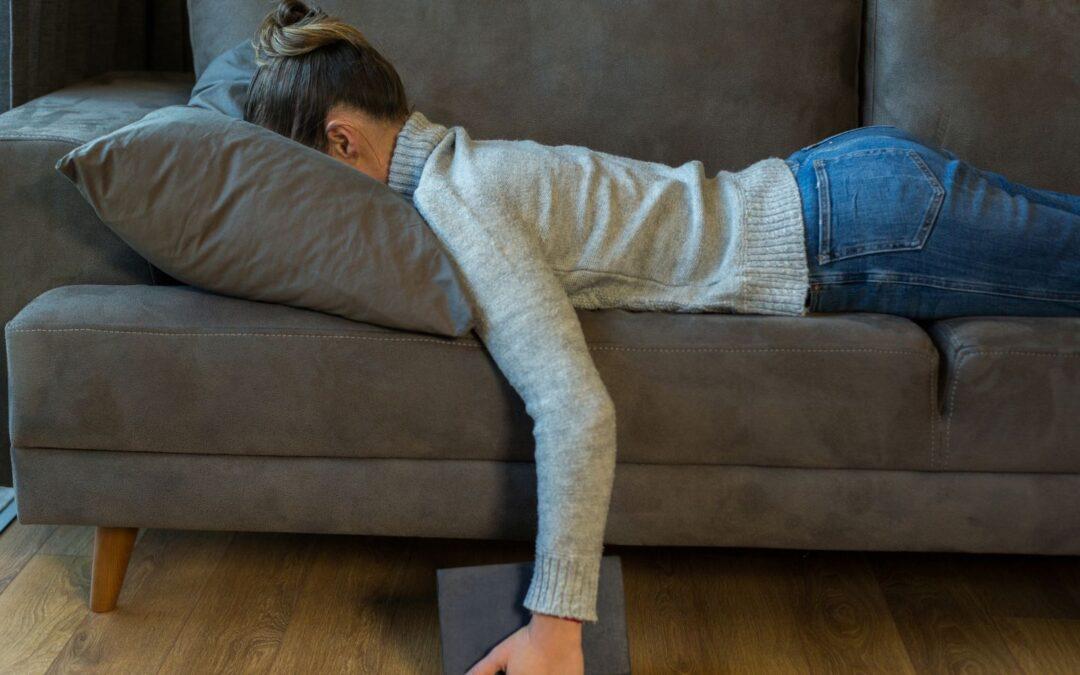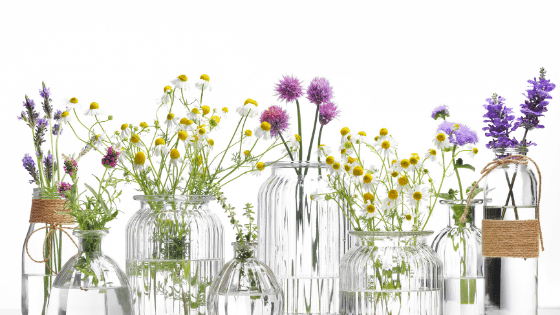

How to use Lavender Essential Oil for best results

How to use Lavender Essential Oil for best results

How to use Lavender Essential Oil for Best Results

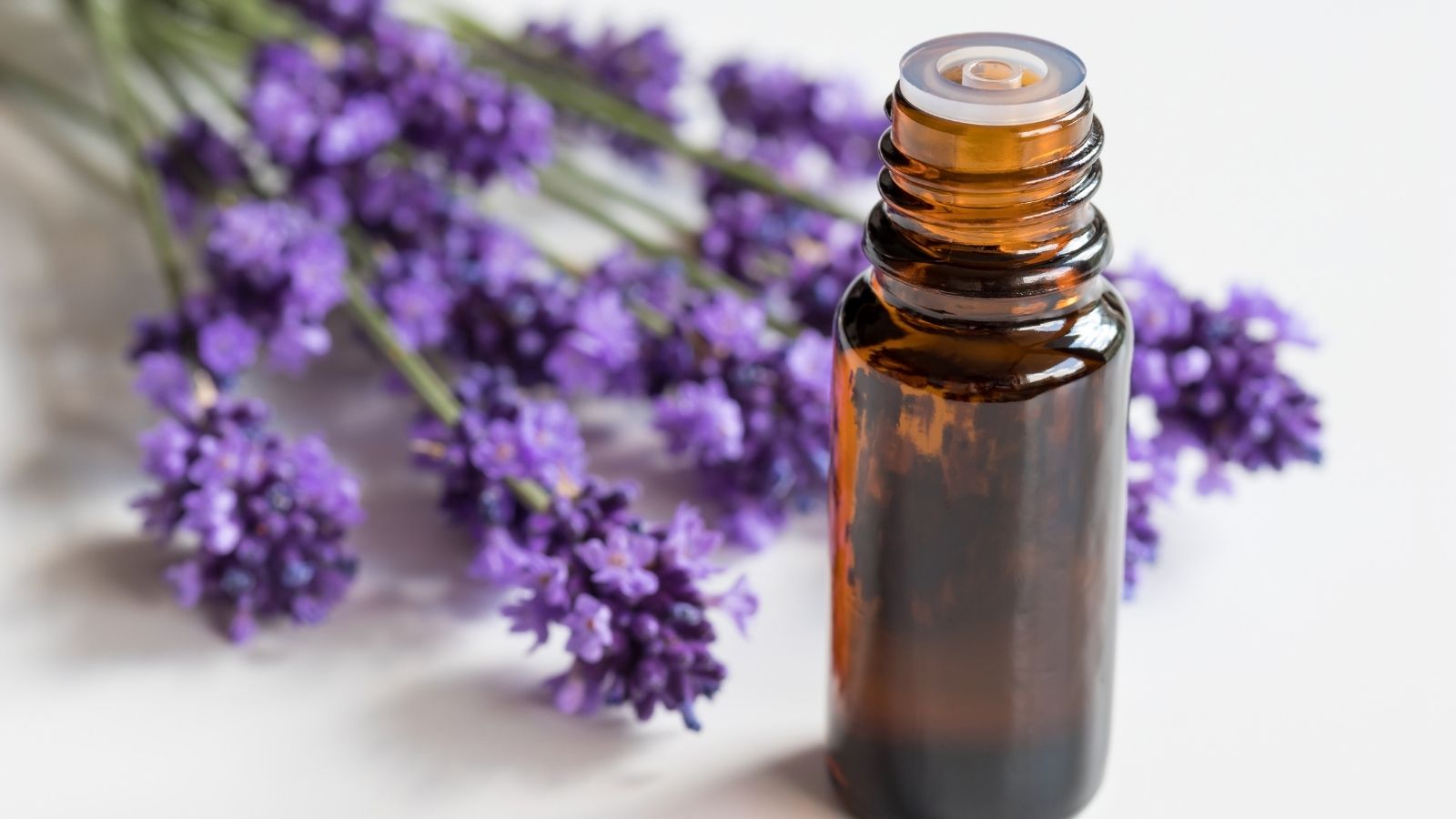
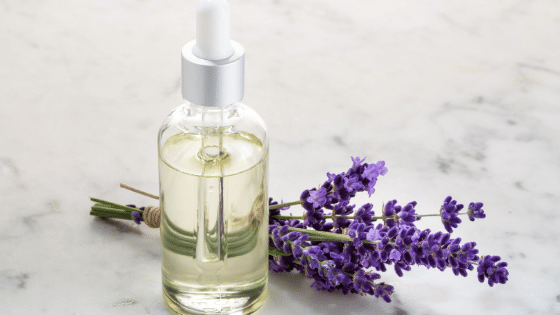
Lavender Essential Oil (or Lavandula Angustifolia to give it its botanical name) is one of the most popular essential oils. 

What can Lavender Essential Oil ‘do’?

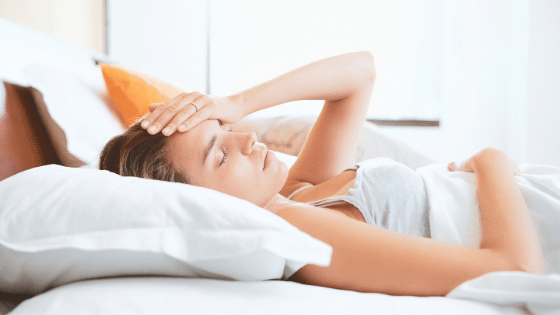
It’s got some interesting properties, it’s uplifting as well as calming. It’s also antiseptic, antiviral, analgesic, anti-inflammatory, anti-spasmodic, balancing, cooling, fungicidal, sedative, detoxifying, and a tonic! It’s also great for relieving headaches.

How is Lavender Essential Oil used?

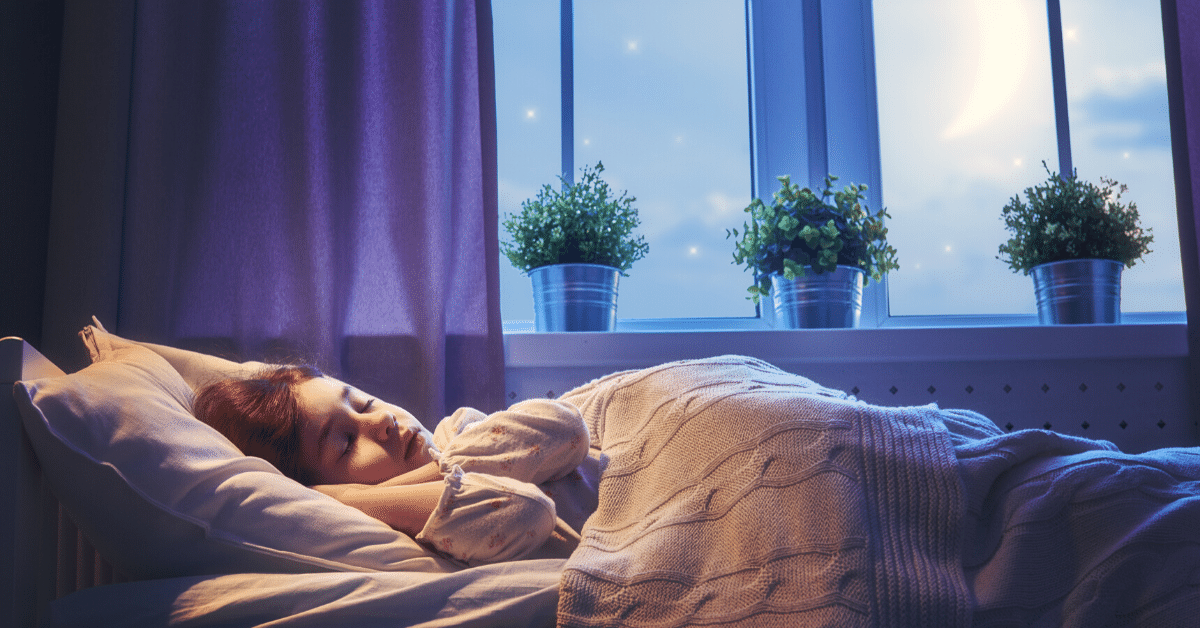
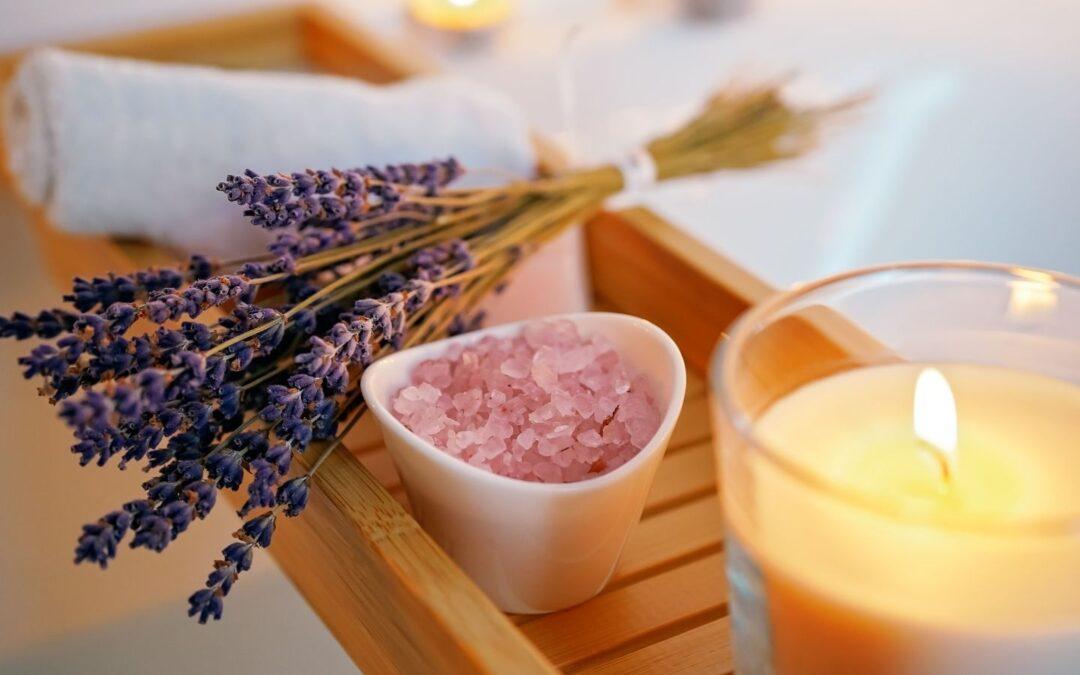
Lavender can be used to help you get a great nights sleep and is often used in bath products and bedtime blends. It is also popular in diffuser blends and as a massage oil. 
It is also one of the few essential oils that you can use neat on skin in small doses. How to use lavender essential oil to get the best results

Firstly choose wisely!

When you’re shopping for lavender essential oil it needs to have its common name (lavender) and its botanical name (Lavandula Angustifolia) written on the bottle. Avoid any essential oil that doesn’t have the latin / botanical name written on it. Often the very cheap ones you can buy in supermarkets for instance don’t have this information written on them. 

Buy ‘just’ lavender essential oil

Double check that the essential oil isn’t blended with anything else. Lavender essential oil can be diluted with jojoba oil or can be adulterated with the cheaper lavandin essential oil. It’s best to get pure, undiluted, unadulterated essential oil. Be aware that there is a difference between an essential oil and a fragrance oil. You need the essential oil not the fragrance oil.

Buy Essential Oils from a Reputable Supplier

Normally in my treatments I use essential oils from either Naturally Thinking or Neals Yard Remedies Organic (For clarity I am a Neal’s Yard Remedies Organic Consultant so if you buy anything via the link I will receive a percentage of the sale) 
For a list of other reputable suppliers please see the Aromatherapy Trade Councils Website

How to use Lavender Essential Oil for best results

Muscle Ease Massage Blend

Ease aching muscles by creating a muscle ease massage blend and massaging in.

Ingredients

30 ml (2 tablespoonsful) of a plain massage oil (Grapeseed or Sunflower, or Jojoba, or Sweet Almond or a plain massage base oil) 
Add 5 drops of lavender essential oil,
3 drops of sweet orange essential oil and
2 drops of basil essential oil. 
Stir well then massage onto the affected part using long slow strokes towards the heart.
Do NOT use on children, the elderly or during pregnancy. If you are taking any medication or have any diagnosed medical conditions or any skin sensitivities please consult a qualified aromatherapist before using any aromatherapy blend.

lavender compress for headache

Compress for headaches

If you have a headache, especially one caused by stress or tension try making a compress. Compresses can be either warm or cold. Chances are you’ll know what you need the most so follow your intuition. The principle is the same for both so do whichever makes more sense for you.

Ingredients

A bowl filled with either hand hot or cold water. 
A teaspoonful of carrier oil (grapeseed or sunflower oil are fine) 
2 drops lavender essential oil
1 drop lime essential oil
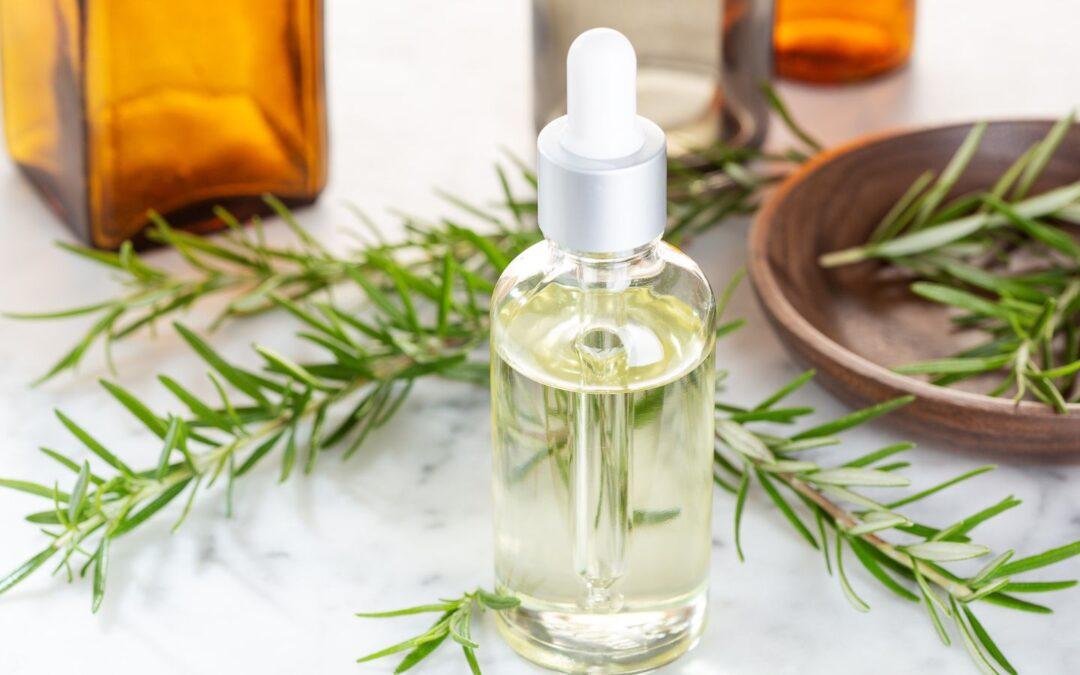
1 drop rosemary essential oil
Add the essential oils to the grapeseed or sunflower oil and swirl into the hot or cold water.
Take a flannel and dip in the water and essential oil mix. Wring carefully with your hands

lavender essential oil pillow spray

Bedtime Pillow Soother

Put one or two drops of lavender essential oil onto a circle of cotton wool and tuck into your pillow case or into the cover of your hot water bottle. Never drop the essential oil directly onto the pillow.

Topical Application for spots, bites and stings

Using a cotton bud stick (q-tip) add one drop of lavender oil and apply to the affected area.

Over to you

How do you use lavender oil? Please let me know in the comments box below
7 Quick ways to get to sleep

7 Quick ways to get to sleep

7 Quick ways to get to sleep

If like around 50% of the UK you are struggling to sleep at the moment you will probably welcome these quick tips! 

1.Try Massage (either massage yourself or get a partner to massage you)

 Choose a night time Aromatherapy Massage Blend and massage it in.  You can buy night time or relaxation blends or you can make your own. If making your own carefully measure the ingredients and only use on adults.

If you are pregnant, on medication, have a medical condition, a skin sensitivity, are taking homeopathic remedies or are under 18 please consult a qualified aromatherapist before use. 

Sleep Well Blend

If you would like to make your own night time massage blend add 1 drop vetiver essential oil, 3 drops of neroli essential oil and 3 drops of lavender essential oil to 15ml of massage oil and gently stir to blend. 

The act of massage itself is very calming. If you don’t have any essential oils plain massage oil will work just as well. If you have a partner you can ask them to massage it in for you, using long, slow, sweeping strokes towards the heart. If you don’t have a partner you can massage your own arms and feet. 

milk

2. Have a warm milky drink  

Using the milk of your choice (this could be plant-based milk like almond or oat, or cows milk depending on what you prefer) I like cocoa (rather than hot chocolate which is way too sweet for my taste buds) or cacao (which is the unrefined version) You can buy Cacao latte at the supermarket on the shelf along with the hot chocolate and cocoa. This is very soothing.

If you don’t like the taste of chocolate, try having warm milk with a light sprinkling of cinnamon on the top. Alternatively have a malted milk drink which doesn’t tend to have caffeine in it.

Whilst it’s generally not a great idea to over do caffeine in the evenings, a hot milky drink can be soothing and nurturing.

bedroom window

3. Keep Cool

Bedrooms need to be fairly cool, even in winter. If it is safe to do so, have your window open a little way to let some fresh air in. It helps to keep the air nice and cool. Radiators in bedrooms should be kept at a fairly cool setting as it’s difficult to sleep in a hot room.

blanket

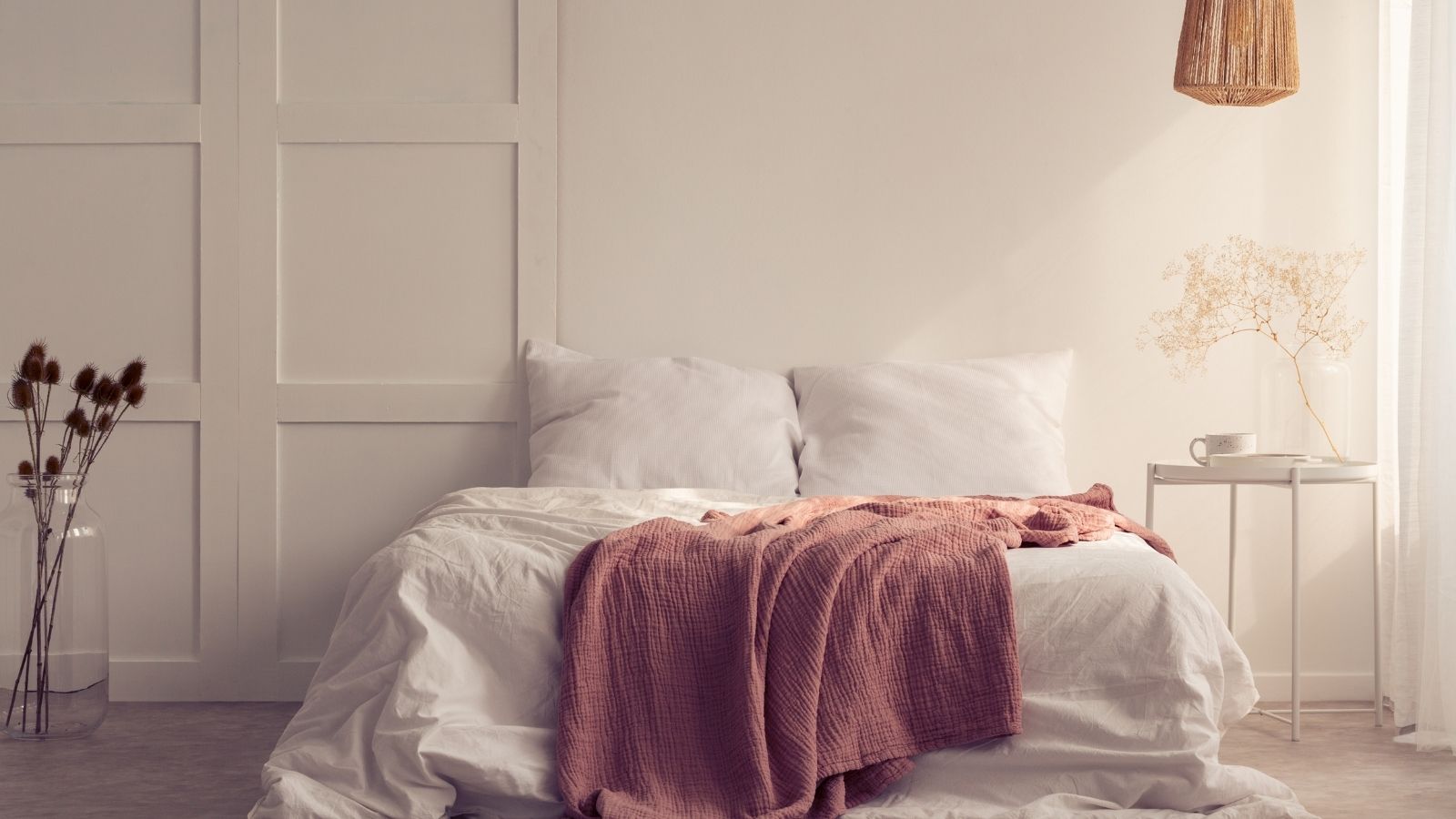
4. Make the bed

Whilst many people make their beds every day as part of life, some people don’t. If you’re currently not making your bed as part of your morning routine, either add it in or do it before you jump into bed.

Add a heavy blanket, even in summer as it will help weigh you down a bit and keep you feeling secure. It is often easier to sleep if you’re feeling grounded and weighted down a little. This is great for calming anxiety and helping you drift off to sleep

bedtime alarm

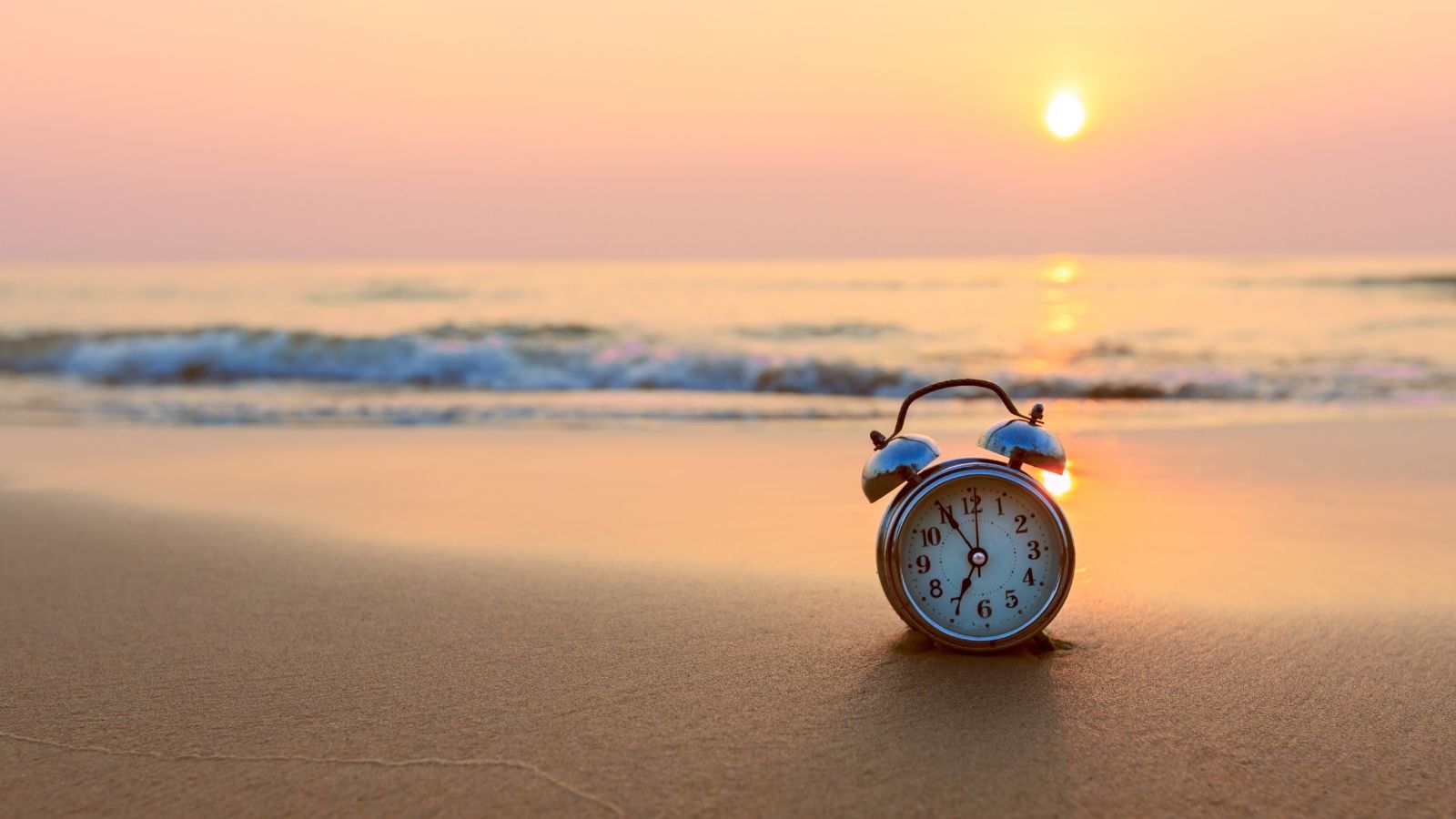
5. Create a bed time alarm

Whilst it might sound a bit daft setting an alarm to tell you it’s time to get ready for bed, it really works. Having a set bed time or a set time to start your bedtime routine can be really powerful. Our bodies are creatures of habit and they like to know what is happening next. So if you get used to going to bed at a certain time or at least running your bath at a set time, your body will learn to listen to the cues and start preparing for sleep. 

Doing the same or very similar things every night is helpful too. Your phone should be able to remind you when it is bedtime either by using the bedtime app, or by setting an alarm like you would for the morning. Choose a gentle ringtone, so if you happen to go to bed early one night you won’t get jolted out of your snoozy state.

music

6. Play some soft music.

 I listen to soft music as I’m drifting off to sleep most nights. If you have a device which will let you play one album and then switch off, great.

If you use a smart speaker it may be able to automatically play some soft music to you each night using a set voice command. I love listening to Aroshanti or Nils Frahm or Einaudi as they’re all very soothing to listen to.

7 tips to get to sleep put your phone away

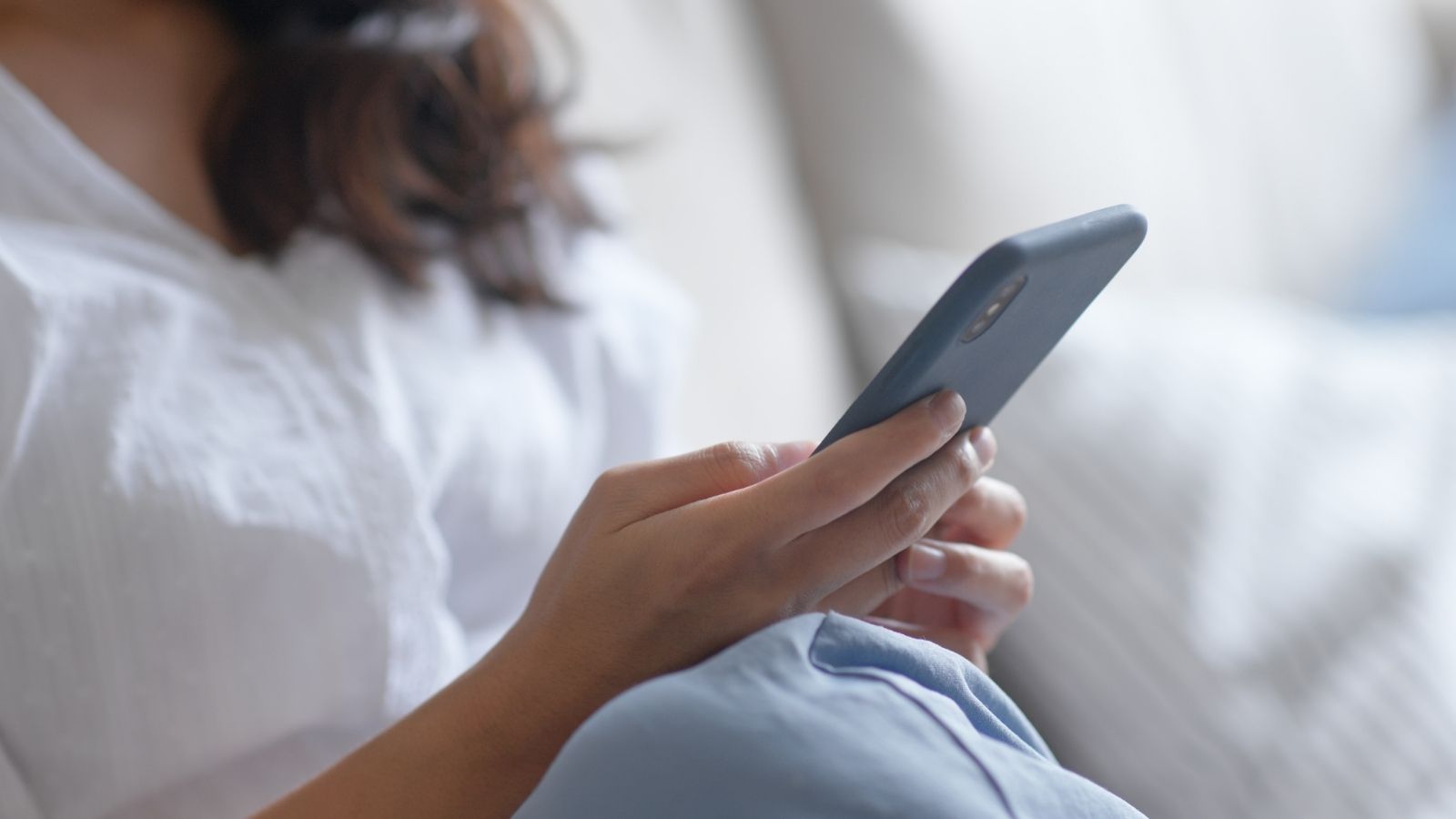
7. Keep your phone elsewhere!

There is the temptation to charge your phone by your bed, then play with it in the night if you happen to wake up. There’s also the temptation to roll over again and go back to sleep once your alarm goes off in the morning. So the best thing to do is keep it out of your bedroom if you possibly can do so you’re not tempted to be checking your Facebook at 3am on the way back from the loo! 

What is Complementary Therapy?

What is Complementary Therapy?

We've all heard of Complementary Therapy but what actually is it? As its name suggests it's a therapy that goes alongside (or complements) other treatments. You continue to take...

Indian Head Massage Aftercare Advice

Indian Head Massage Aftercare Advice

Indian Head Massage Aftercare advice After your Indian Head Massage it is important that you are fully alert before driving home. It can have a deeply relaxing effect on you, so...

Top 3 Essential Oil Blends for Stress and Anxiety

Top 3 Essential Oil Blends for Stress and Anxiety

If you are suffering from stress and anxiety there are essential oil blends that you can create for yourself at home to help with this. 

A word of caution before we start

If you have any medical conditions, are pregnant, are taking any medications, (including chemotherapy)using any homeopathic remedies are under 18 or elderly please seek advice from a qualified Aromatherapist before use. Essential oils should not be used internally (do NOT eat or drink them) and should not be used neat on skin as a general rule.

For more essential oil safety tips please click here

Introduction to stress and anxiety-busting essential oils

There are several great essential oils that will help with stress and anxiety, so first I’d like to introduce some of them. 

bergamot

Bergamot Essential Oil. 

Bergamot essential oil comes from the peel of bergamot fruit. Bergamot is a similar shape to a pear, but with skin that has the texture of oranges. If you’re familiar with Earl Grey tea, that is what it smells like (because Earl Grey is flavoured with Bergamot!) 

It has a fresh, citrusy, uplifting fragrance and is perfect when you need to feel calm, without being sleepy. It works well in a diffuser or oil burner and is also good in baths and massage oils. It blends well with other citrus fruits as well as eucalyptus, geranium and lavender.

geranium

Geranium Essential Oil

Geranium has a floral smell, and is great for helping to balance the hormones, especially in women. It is thought to help regulate and normalise periods and lift menopause symptoms such as low mood. As it has an effect on the hormones, care should be taken if using HRT.

lavender essential oil

Lavender Essential Oil 

Lavender is a very popular essential oil, great for relaxing and calming frayed nerves. Useful in small doses, especially at night time to help you get restful sleep.

Orange Essential oil

Orange essential oil is a wonderfully uplifting oil. It is like a ray of sunshine in a bottle. It’s great when you need a boost during the day. Diffuse in your diffuser or add to a blend and use for massage or in the bath

Vetiver Essential Oil

On its own vetiver can be quite woody and dark but when it’s added to blends it can  help aid restful sleep and is often used in bedtime blends or for relaxing baths.

neroli essential oil

Neroli Essential Oil 

Neroli is made using the delicate blossom of the orange tree. It is calming and relaxing and great for relieving stress and tension. 

Frankincense Essential Oil

Frankincense has a spiritual feel to it and is often used in churches. Great for mature skin, the respiratory system, for calming anxiety and reducing stress. It smells like the sort of incense you find burned in churches. For more information about Frankincense Essential oil please read my blog post on the subject

Patchouli Essential Oil

A deep, heady fragrance, often associated with new age shops and hippies! It is great for helping to soothe stress and anxiety as well as being good for detoxification and for the skin. It is thought to help tighten loose skin.

Blends to help with stress and anxiety

massage oil blend for stress and anxiety

Blend 1: Rebalancing Massage Blend

Take 15 mls (3 teaspoonsful) of base oil, I use sweet almond but if you’re allergic to nuts grapeseed or sunflower are good alternatives.

Add 2 drops of bergamot essential oil, 2 drops of geranium essential oil and 3 drops of lavender essential oil. Stir gently. Use for massage. 

Blend 2: Calm down handbag blend

This is a really lovely blend to keep in a rollerball bottle in your handbag so you can use it when you’re out and about and need a little moment of calm.

Use a 10 ml glass roller bottle (blue or amber are best)

Add 2 drops of neroli essential oil, 2  drops of sweet orange essential oil and 1 drop of patchouli.

Top up with massage oil of your choice, I use sweet almond, but if you’re allergic to nuts use grapeseed or sunflower instead.

Replace the roller mechanism and the cap and gently roll the roller bottle between your hands to disperse the essential oil. The roller is then ready for use.

Apply to the pulse points on your wrists.

diffuser

Blend 3: Stress Relief Diffuser Blend

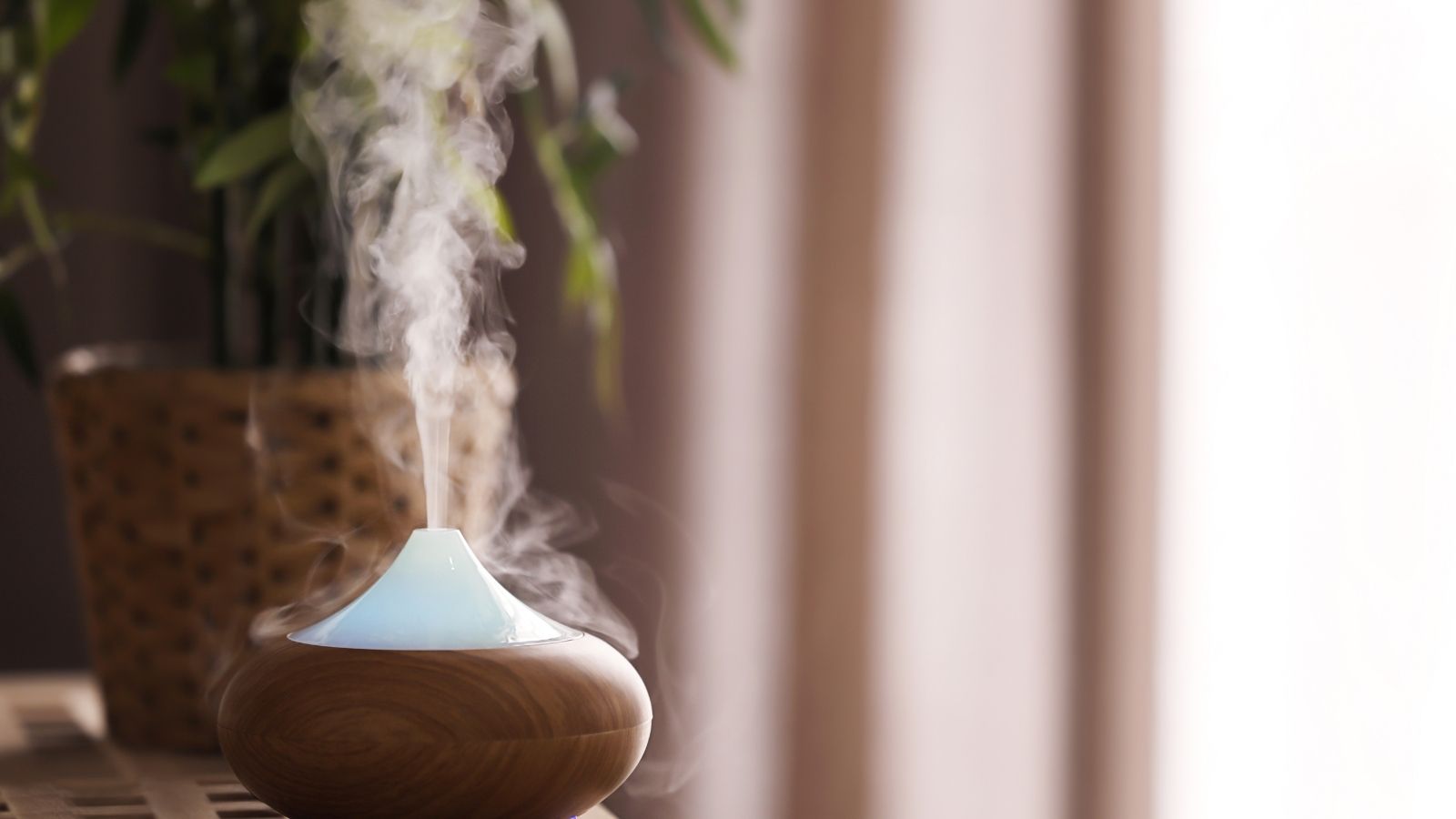
Add 2 drops of Neroli, 1 drop of Frankincense and 1 drop of Bergamot to the water in your diffuser and diffuse.

For best results diffuse intermittently throughout the day.

As the effects of diffusers on pets is still up in debate, it would be sensible not to diffuse any essential oils in the presence of pets. 

Virtual Reflexology

Virtual Reflexology

Virtual Reflexology

What is it and does it work?

Virtual or Distance Reflexology is where you do reflexology from a distance, either using visualisation, your own feet or something else as surrogate (such as a teddy) The recipient lies down somewhere comfortable and relaxes whilst the treatment happens.

My initial thoughts on virtual reflexology

When I first heard of Virtual Reflexology I was skeptical. Didn’t you need to be there in person to give and receive Reflexology? Reflexology by its very nature is normally very much a hands on treatment. That said, reflexology does have an element of energy healing and I know that we’re all interconnected energetically. The more I heard about virtual reflexology the more intrigued I got. I thought the best way to find out whether something works or not would be to give it a go and see for myself.


Results from other reflexologists were positive

Other reflexologists offering it had been having great results, despite some of them not being on the same continent. So when I was given the opportunity to try it for myself I jumped at the chance.

I figured that I was really missing having reflexology treatments and couldn’t have one for the forseeable future and the worst that could happen would be that I felt nothing and I’d have enjoyed half an hour locked away in a darkened room listening to calming music on my own massage couch!

The Treatment

In preparation for the treatment I sent photographs of my feet to Brenda the reflexologist who was doing my treatment. We agreed a day and a time. Ten minutes before my treatment I popped to the loo, had a glass of water, turned on my soft music and climbed on my couch. I’d not had chance to use my massage couch since I bought it just before lockdown (and it’s always useful to see as a client how your own couch feels). So I snuggled under my own blanket and settled back for my treatment.

What I felt

At first I felt my feet tingle a little bit (but in a good way) then it felt like someone was holding both feet. If you’ve ever experienced reiki or distance reiki it felt a bit like that. The feeling you get when someone is hovering their hands over your feet. It felt safe, warm, very calming.

I couldn’t feel any specific pressure like I would normally do with a hands-on reflexology treatment, apart from at one point when I felt a very similar sensation to having my spine reflex worked on. (To those of you who are not trained in reflexology this is the inner edge of the foot from the tip of the toe to the heel) My knee also twinged at one point (it felt positive, like energy was shifting from the tip of my toe to my hip) At one point in my treatment I got a vivid picture in my minds eye of a lampost. It reminded me of the time I was so busy reading a letter whilst walking down the street that I walked into a lampost. Maybe there’s some message in that somewhere!

What I saw

The virtual reflexology treatment took about 30 mins. Towards the end of the treatment I got a sense that it was the end of the treatment (I saw in my minds eye a picture not dissimilar to the ‘meetings ended by host’ notification that you get when you end a zoom call. ) and the feeling of someone holding my feet went.

Brenda and I had a chat after the treatment had ended, I felt that I needed a cup of tea so quickly went and got one before speaking to Brenda about what we’d both experienced.

The Results

This afternoon following the treatment I felt exactly how I normally do after a hands-on treatment, as well as needing an afternoon nap and feeling unusually peckish. I also got a little emotional as I was walking round the supermarket.

I really enjoyed my treatment and am looking forward to experiencing it from the other end of the couch next week.


Have you tried Virtual Reflexology? If so what did you think?

Please leave me a reply in the comments below.

Frankincense Essential oil.. a hug in a bottle

Frankincense Essential oil.. a hug in a bottle

Frankincense Essential Oil

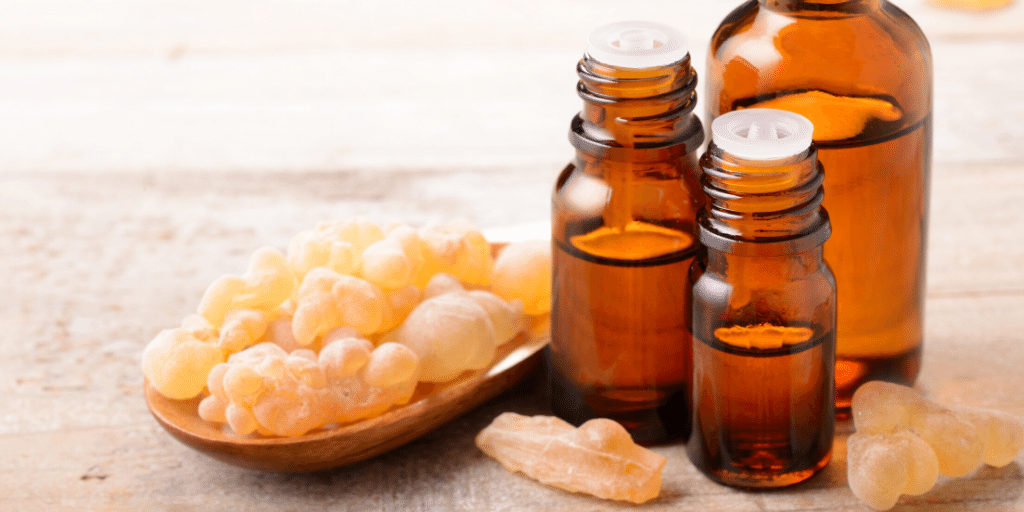
Frankincense Essential Oil is one of my favourite essential oils. It’s deeply calming, grounding and smells divine. A fellow Aromatherapist friend once described it as ‘a hug in a bottle’ which quite honestly is the best way of describing it!

It has a deep, churchy smell. If you’ve ever been in a church where they’re burning incense then it smells a bit like that. It also reminds me of violin rosin

What does Frankincense essential oil do?

Anti-inflammatory

It has anti-inflammatory properties so great for calming inflammation. It also works on a spiritual level, so if you have a physical inflammation or a frayed temper, frankincense is what you need.

Useful for Respiratory System

It has great benefit to the respiratory system, with expectorant properties being good for easing catarrh and coughs and for clearing mucus. It’s calming properties help calm breathing. It has a noticeable effect on the mucus membranes of the body, especially the lungs.

Frankincense Essential Oil is useful for meditation

Calms the Nervous System

It has a calming effect on the nervous system, aiding mediation and relaxation. Helps to reduce stress and anxiety, soothing the mind. It also aids concentration. If you need to be calm and focused put a few drops of Frankincense oil in a diffuser and let it work its magic.

Helps the Reproductive System

Frankincense Essential Oil also helps the reproductive system, especially balancing menstruation. It may have a calming effect in labour and may also ease postnatal depression. It is thought that it may be useful in treating genital infections, cystitis and nephritis (kidney infections)

Best Use of Frankincense Essential Oil

Frankincense is amazing for mature skin smoothing wrinkles, balancing oily skin but also good for dry skin. It has vulnerary properties which help the skin heal more quickly.

It makes a great massage oil blend and is used a lot in mature skin care.

Can be used in a diffuser to calm and soothe

Use in an ointment and apply to the skin

Safety Data

Must be used well-diluted
Before using in Pregnancy please consult a qualified Aromatherapist for advice

Blends well with

Basil, Black Pepper, Geranium, Grapefruit, Lavender, Orange, Melissa, Patchouli, Pine, Sandalwood, Lemon, Mandarin, Myrhh, Pine, Bergamot, Cedarwood, Chamomile, Neroli and Vetiver

Reflexology Aftercare Advice

Reflexology Aftercare Advice

Reflexology Aftercare Advice

Here is some simple aftercare advice to use after your reflexology treatment. This will maximise the effects of your treatment and minimise the potential for a healing response

Stay Hydrated

After your reflexology treatment it is vital to stay hydrated. The best way to do this would be to sip some mineral water throughout the day or drink herbal teas or light fruit juices. Try not to glug it down quickly. It seems to work better if you sip it. If you don’t like water so much, try adding a slice of lime or lemon (or both) to it.

Avoid Stimulants

Avoid stimulants like caffeine, alcohol, tobacco, recreational drugs and enjoy a quiet afternoon if you can.

Enjoy a light diet

Enjoy a light diet for the rest of the day, avoiding spicy foods or anything too greasy that may put extra strain on your digestive system. A simple, nourishing soup or a piece of lightly poached fish and rice would be perfect after a treatment.

garden

Rest as much as you can

Ideally you would book your reflexology treatment on a day when you don’t have to dash anywhere afterwards.

Read a book, listen to soft music, go for a stroll

It helps if you can spend the rest of the afternoon enjoying some peace and quiet, maybe reading a book or magazine, or listening to calming music. Have a gentle stroll after dinner, or sit in the garden if the weather is nice.


Reflexology Aftercare Advice Journal

Keep a journal or diary

It might help to keep a journal or diary, noting down how you felt after treatment and if there is anything that came up for you after the treatment.

Whatever comes up for you, let it out. Don’t try to bottle it or keep it down, just let it pour out. Get it down on paper to release it

Emotional things you might feel after a treatment

Sometimes you can feel emotional, irritable or a weepy after a treatment, or suddenly burst into fits of uncontrollable giggles.

These are all normal but it’s worth noting down how you feel, especially if your next appointment is a month away! I ask how you were after your previous treatment when you have your next treatment and it’s so easy to forget these things if you don’t write them down.


wrapped up in a blanket

Physical things you might notice after your treatment

Hopefully you will feel better after your treatment!

However sometimes you find that you feel a range of other things after your treatment.

You might notice that you need to use the loo more one way or the other, you might need to go more urgently, or notice a change in the consistency of your faeces. You might feel light headed or headachey

You might have mild flu-like symptoms or notice that whatever pain or symptom you came to your appointment with suddenly gets worse. Usually if this happens it will equally suddenly get a lot better too.

Usually these kinds of symptoms pass in 24-48 hours and are generally not very severe. However if they are severe or last longer than 48 hours please do contact your medical team and seek medical advice.

If you do experience any of these symptoms it normally helps to sip more water and be gentle to yourself, resting quietly if possible. 

Related Article

https://www.sarahcooper.co.uk/make-the-most-of-your-reflexology-treatment/


Can I have Reflexology if I have Diabetes?

Can I have Reflexology if I have Diabetes?

Can I have Reflexology if I have Diabetes?

In very simple terms, yes you can have reflexology if your diabetes is well-managed and fairly stable with no additional complications.

Diabetes presents in different ways in different people so it’s important that we take a holistic approach, look at what is happening for you as an individual, consider how your diabetes is managed and take a sensible, balanced view. 

Complications of Diabetes which may mean you either can’t have a treatment or have a slightly adapted treatment

There are, however a few complications of diabetes what would mean that you wouldn’t be able to have a treatment or that the treatment would have to be adapted in some way.

Thin, Dry, Brittle skin that breaks easily

If you have very dry, thin, brittle skin that is prone to cracking there is a risk of the skin cracks allowing bacteria to get in. As one of the symptoms of diabetes is to have skin that is slow to heal, it would be inadvisable to have reflexology as we don’t want to increase the chance of infection.

Leg Ulcers

Also if you have leg ulcers these will be very sore so foot reflexology would not be possible, unless the feet and lower legs are unaffected. It may be possible to offer Facial Reflexology instead. 

Peripheral Neuropathy

If you have peripheral neuropathy (lack of feeling in your extremities including feet) then a lighter treatment might be offered, or in severe cases it may not be possible to offer a treatment.

Fungal Infections including Fungal Nail Infections

If you have a fungal infection including fungal nail infection then you will not be able to have a treatment until it has cleared up.

Gangrene of the legs or feet

If you have gangrene of the legs or feet then Reflexology is definitely contraindicated. 

Test your blood sugars before or after your reflexology treatment

What should I do before my Reflexology treatment if I have diabetes? 

Before your reflexology treatment, take your blood sugars. If you need to adjust them then do so. 

It is useful to have to hand whatever remedies you would normally use to re-balance your blood sugars so that if you do notice a change following your treatment you can quickly and easily adjust them. 

You are the expert and know what works for you! Whilst it is fairly unlikely one treatment would make a big change, it’s worth noticing.

Keep hydrated by drinking water after your reflexology appointment

What should I do after my treatment? 

It would be a good idea to take your blood sugar levels again, just to double check that there has been no change to them. If there has been a change, then adjust them as you would normally do. 

It is also vital to follow the usual Reflexology Aftercare Advice of drinking plenty of water, resting, avoiding stimulants like caffeine, alcohol and spicy foods, and having a gentle stroll after dinner if you can.

Can Reflexology have a positive effect on diabetes?

Reflexology has a known effect on lowering stress levels. Studies have found that lowering stress levels can have a positive impact on blood sugar levels. So anything that would help you keep calm and less stressed has to be a good thing. 

Reflexology is great for calming and creating a space and time just for you. It is also good for boosting the circulation. Circulation problems often go hand in hand with diabetes so again, Reflexology may be of benefit if you have diabetes. 

Can I have Reflexology if I have Diabetes

I’ve not had a Reflexology treatment before, should I do anything different?

If you have not had reflexology before having a shorter, lighter treatment might be a good idea. Once you see how you feel after your treatment we can build up to full sessions. This can allow you to see if you have any healing responses to the treatment and to ensure that the pressure is at the correct level for you.

Medical Emergency Plan

If necessary, we may complete a Medical Emergency Plan for those of you who have hypoglycemic events or who need specific help in case of emergency. This is a simple form which needs filling in at the first appointment stating what you’d like me to do should you have a hypo etc. This is very straightforward and give us both peace of mind that if you do have a hypo (or other diabetes related crisis) I will have an action plan on a piece of paper attached to your notes that I can refer to to get you the help you need when you need it! 

Keep Calm and Carry On!

Having regular Reflexology treatments can help maintain your stress levels. Reflexology has a cumulative effect and so if you have a course of treatments or a monthly treatment booked in the diary these will all start building up with a greater effect than just having one treatment. 

Over a period of time you *may* be able to alter your treatment, under the guidance of your GP if your blood sugar levels start to lower. (This will need to be carefully monitored and adjustments made by your GP as necessary) Everyone reacts to Reflexology in a different way, so there is of course no guarantees.

Related Article:

Please read my article ‘What is Diabetes’ for more information about the different types of Diabetes.

For Further Information and Advice about Diabetes 

If you need further information about Diabetes please go to www.diabetes.org.uk and www.diabetes.co.uk

What is Diabetes?

What is Diabetes?

What is Diabetes?

Diabetes is a chronic condition affecting 20% of the population of the UK.

In a person not living with diabetes the pancreas creates and releases insulin automatically as required. This helps the body to turn glucose into energy and to regulate the levels of sugar in the blood.

In people who are living with diabetes this either doesn’t happen at all, or happens in an ineffective way. So the blood ends up too much sugar in it and the body cannot process it properly.

Test your blood sugars before and after a Reflexology Treatment

Types of Diabetes

Type 1

Type 1 diabetes is where the body does not produce insulin at all. Insulin is needed to control blood sugar levels, so insulin injections or an insulin pump will be needed to correct the levels of insulin in the blood.  There is an autoimmune element to type 1 diabetes. The cells of the pancreas attack themselves until it stops producing insulin. Type 1 diabetes is commonly diagnosed in childhood but not exclusively so.  There is often a hereditary element to diabetes and there are no lifestyle changes that could have prevented it.

Type 2

Type 2 diabetes is where the body either doesn’t produce insulin or cannot use it effectively.
People with type 2 diabetes may have to take medication, or in some cases use insulin. Some patients will be advised to change their diet and lifestyle, which will be enough to keep diabetes under control.

Unlike Type 1, Type 2 can sometimes be reversed by following a low-carb or low GI diet and taking plenty of exercise. Weight loss can also help in the case of those people who are carrying a little extra weight.

Some people are thought to be in a pre-diabetic phase where they haven’t quite got diabetes yet but should make some precautionary changes to their diet and lifestyle to help prevent it from developing into Type 2 diabetes

Gestational Diabetes

Gestational Diabetes

There is also gestational diabetes which is found in pregnancy where the body has a high level of blood glucose and is not producing enough insulin to deal with it all. Often people with gestational diabetes will find that all symptoms and problems go once the baby is born, although some people do continue to have diabetes after the birth.

Symptoms of diabetes

Whilst around 60% of people with type 2 diabetes experience no symptoms before diagnosis, here are some of the symptoms to watch out for

  • Extreme thirst
  • Unexplained weight loss (where you’re not actively trying to lose weight)
  • Extreme tiredness and fatigue
  • Skin not healing as quickly as expected
  • Blurred vision
  • Recurrent bouts of thrush and genital itching
  • Needing to urinate frequently especially during the night.

If you have noted any of the symptoms listed above it is important to go get checked out by your GP. They will be able to run some tests and offer a diagnosis and treatment if needed.

Getting support to help you live with your diagnosis

There are several support organisations available to help you cope with living with diabetes. There is a wealth of information available on the internet too.


What is Distant Reiki Healing?

What is Distant Reiki Healing?

What is Distant Reiki Healing?

Distant Reiki Healing is where Reiki is sent across time and space, using the power of intention. It works in a similar way to sending love or prayers to people who are sick or in need, but in a slightly more formalised way.

How does Distant Healing work?

As we are all connected to each other on an energetic level we don’t need to be in the same room as each other for Reiki to work. What we need to do is to be able to make a firm connection to Reiki energy, using the Distance Healing symbol. This then allows us to send energy where it is needed. 

This could be to a person, group of people, a country or geographical area, an animal or plant or the world as a whole. It could be to a situation from the past which is causing pain and anguish or to a future time like a forthcoming operation or job interview. 

Can Distant Reiki Healing change the outcome?

No, it cannot change the outcome of the interview or the operation, nor can it change what happened in the past but it can help change the way we feel about it, helping to lessen the pain and making us be able to come to terms with it. It’s not an instant fix, but it can help take a little of the edge off the pain. 

Distance Reiki

Does Distant Reiki Healing Work?

Experiences I’ve had as a Reiki Practitioner include the time when I was using the distant healing symbol on a client and they noticed that when I was working on that specific area they noticed that the suddenly  started thinking vividly of an earlier time, back to childhood days.

What do you need to do during a treatment?

Make sure you’re comfortable and have had a trip to the loo and a glass of water before your appointment.

Lie on a sofa, recliner chair or bed and get comfortable. You may wish to put on some soft relaxation music, light some incense or candles or whatever makes sense for you. Turn off your phone if possible or put it onto silent.

You may want to snuggle under a blanket or duvet or if it is a warm day you might not! It’s entirely up to you. You just need to feel safe and comfortable and nice and warm. I like wearing snuggly socks for a treatment unless it’s a very hot day.

The treatment will last about 30-40 mins and at the end I will message you to see what you experienced.

For the rest of the day it is important for you to drink plenty of water and relax as much as possible.

My own Experience

I received distant Reiki healing once when I was feeling very poorly and by the end of the session I felt much much better, like a weight had been lifted off me. 

It can be a little difficult to get your head round so my best suggestion is that you should try it and see what you think and if it works for you. 

If you find that it doesn’t work for you the worst thing that will happen is that you’ll have a lie down on your bed or sofa for half an hour or so! 

How can I have Distant Reiki Healing?

Distant Healing is sent to people during Reiki shares and through one-to-one sessions between clients and Reiki practitioners. 

Have you had Distant Reiki Healing? How did it help you? 

Please leave me your reply in the comments below

How to choose a good Reflexologist

How to choose a good Reflexologist

 Things to consider when choosing a good Reflexologist

 A good reflexologist will be well trained, insured, take regular CPD (additional training to make them a better therapist) and be a good listener. They also need to be adaptable, intuitive and be able to think on their feet. They need to be understanding and kind as well as approachable.

Where do you start looking for a good reflexologist?

Firstly I’d ask amongst friends. They might go to a reflexologist in your area or might have heard great things about one of their friend’s reflexologists. 

If they don’t know of anyone, try looking on a professional register. For Reflexology the Association of Reflexologists Find a Reflexologist Search is a good place to start.


Do they have membership of a Professional Organisation?

Being a member of a professional organisation ensures that the therapist has to keep updating their skills and knowledge so that year on year they become a better therapist.

They also have to agree to abide by a code of conduct and be of good character. Look out for people with initials like M.A.R or M.F.H.T or MCThA after their names. 

This means that they have got a membership of a professional organisation and have had to prove that they are fully qualified and insured in order to join.

Some of the health insurance companies will give you a refund on your treatment fee if the therapist is a member of a professional organisation. It is worth checking with your insurance if this is the case and if so which associations they are looking for. 

Cosy Environment

Are they on a professional register or in a Find a Reflexologist Search? 

The Association of Reflexologists have a Find a Reflexologist facility (which will bring up a list of the members in your area) Here is my listing 

Word of Mouth

If you have friends in the local area, ask for recommendations. A friend may have already found a great Reflexologist. It would be worth giving them a call and seeing if they’re right for you. 

Check out Reviews both on Google or Facebook.

Good therapists tend to get Reviews on either Google My Business or on their Facebook Page. Check these out to see if you can get a feel for how the therapist operates and what sort of  person they are. Here is my Reviews Page


Cosy Environment

Check out their Social Media and Website, Read their Blog Posts

It can help to get a feel for what kind of person the therapist is by checking out their social media presence on Facebook and Instagram. If they have a mailing list maybe sign up to that, again so you can start the process of getting to know them. It’s important to get a sense of whether you’d get on on a personal level. 

Listen to your gut!

At the end of the day the most important thing is to listen to your gut feeling. You need to feel safe and comfortable in the presence of your therapist so it helps if you get to know them on some level before booking your appointment. I believe that the therapist you choose has to feel right. It may take a few different treatments with a few different therapists until you find the right one for you.

Good luck! Please let me know how you chose your therapist in the comments below.


Look after your legs

Look after your legs

Look after your legs

Taking care of our legs is vital. There are lots of ways that we can help our legs stay in tip-top condition.

Keep the blood flowing.. Move your feet!

Keeping the blood flowing nicely is really important to leg health. If you spend most of your time sitting at your desk, try getting up and moving around as often as possible. If you’re not able to for some reason, doing some foot rotations under your desk or at least flexing and rotating your ankles will help. Dancing whilst the kettle boils will also help your mood and your circulation. Just keep moving!

Getting the balance right

Try not to stand up all day long if you can. (Getting the balance between the two is really important!) If possible walk whenever you can. If you have simple, light errands to run and you’re able to walk, do them on foot! I normally walk to the post box or if I need a loaf of bread from the bakers I walk down. It’s all about doing what works for you.
 The fresh air will help you feel better as well as keeping your legs healthy. Often when you get back you feel like all the cobwebs have been blown away. 

Moisturise Regularly

Make sure you keep your feet and legs moisturised using a good quality moisturiser. Often we remember to moisturise our faces or have some hand cream in our desks or bag. But our legs often get forgotten! Treat yourself to a nice body lotion and make it part of your daily self-care routine.

Make note of any problem areas

If you notice any broken skin, dry patches, redness or other signs of discolouration get it checked out if it doesn’t clear up quickly. 
If you feel any pain in your legs and/or feet during or after exercise please do get it checked out. 

Further Information 

Legs Matter have produced a Useful Leaflet about how to care for your legs
Here’s a useful leaflet produced by Legs Matter about looking after your legs Click Here

What do you do to keep your legs healthy?

  Please let me know in the comments

Stories the feet can tell

Stories the feet can tell

Stories the feet can tell 

Reflexology is fascinating and the more I do reflexology, the more fascinated I am by it. One of the first things a Reflexologist does at the beginning of a Reflexology treatment is to make some observations of the feet. 

Here are some of the stories the feet can tell 

How the feet are presented can indicate how relaxed the client is. If it’s the clients first treatment and they’re anxious the feet can be close together. This is known as a closed position. If the client is very relaxed the feet may be fairly wide apart. If I see that my client has a very closed posture I will use lots of relaxation techniques in my opening sequence. This should help them relax and settle into the treatment.

Arches

The positioning of the arches of the feet can tell us all kinds of things. If the arch of the foot is very high it could indicate that the client has either spent a lot of time wearing high heels or it could mean that they have some back pain, amongst other things. 

Spine and Back Problems

The side of the foot running down from the big toe is the spine reflex region. Often when a client has been suffering from back pain there is a distinct tightness or bend in the foot in a place that correlates to the painful area. Sometimes one foot can be a completely different shape to the other one, again this is of great interest to reflexologists.

Other signs we look out for

Hard skin and sock fluff tends to fascinate Reflexologists way more than it should do!

One thing that many of my clients have commented is that they feel they need a pedicure before they come for a treatment. It’s absolutely not the case. We can tell a lot about what might be happening for the client by seeing where there are areas of hard skin, corns and calluses.
Hard skin often forms over an area that is imbalanced, as a form of protection. 

Hard skin can also form where there has been contact with footwear. Often hard skin will form on the same area of both feet, especially when foot wear has been rubbing.

Sock fluff can also gather over reflexes that need re-balancing. So don’t be too quick to rub it all off before your treatment! Most Reflexologists will refresh the clients feet with either wipes or hot towels or offer a foot spa if applicable, so there really is no need to worry about sock fluff before your appointment

Redness

Areas of redness can mean a range of things, often anger and frustration but can also mean that you’ve been wearing footwear that have caused your feet to press down in an uncomfortable way. This is especially true of high heeled shoes where the bulk of the weight is on the ball of your feet. This can cause your feet to sting.

Pregnancy

In pregnant clients there is often a small bump over the uterus reflex too, especially in the later stages of pregnancy. (This is really interesting to see!)

Whatever your feet look like chances are we will have seen it all before and you really needn’t worry! 

What stories do you think your feet would tell me about you?

Please let me know in the comments below.
Sarah Cooper Blog

Like this? Check out my other Blog Posts

Pin It on Pinterest

Privacy Overview
Sarah Cooper Reflexology and Massage in Boroughbridge, Ripon and Surrounding Villages

This website uses cookies so that we can provide you with the best user experience possible. Cookie information is stored in your browser and performs functions such as recognising you when you return to our website and helping our team to understand which sections of the website you find most interesting and useful.

Strictly Necessary Cookies

Strictly Necessary Cookie should be enabled at all times so that we can save your preferences for cookie settings.