What is Diabetes?

What is Diabetes?

What is Diabetes?

Diabetes is a chronic condition affecting 20% of the population of the UK.

In a person not living with diabetes the pancreas creates and releases insulin automatically as required. This helps the body to turn glucose into energy and to regulate the levels of sugar in the blood.

In people who are living with diabetes this either doesn’t happen at all, or happens in an ineffective way. So the blood ends up too much sugar in it and the body cannot process it properly.

Test your blood sugars before and after a Reflexology Treatment

Types of Diabetes

Type 1

Type 1 diabetes is where the body does not produce insulin at all. Insulin is needed to control blood sugar levels, so insulin injections or an insulin pump will be needed to correct the levels of insulin in the blood.  There is an autoimmune element to type 1 diabetes. The cells of the pancreas attack themselves until it stops producing insulin. Type 1 diabetes is commonly diagnosed in childhood but not exclusively so.  There is often a hereditary element to diabetes and there are no lifestyle changes that could have prevented it.

Type 2

Type 2 diabetes is where the body either doesn’t produce insulin or cannot use it effectively.
People with type 2 diabetes may have to take medication, or in some cases use insulin. Some patients will be advised to change their diet and lifestyle, which will be enough to keep diabetes under control.

Unlike Type 1, Type 2 can sometimes be reversed by following a low-carb or low GI diet and taking plenty of exercise. Weight loss can also help in the case of those people who are carrying a little extra weight.

Some people are thought to be in a pre-diabetic phase where they haven’t quite got diabetes yet but should make some precautionary changes to their diet and lifestyle to help prevent it from developing into Type 2 diabetes

Gestational Diabetes

Gestational Diabetes

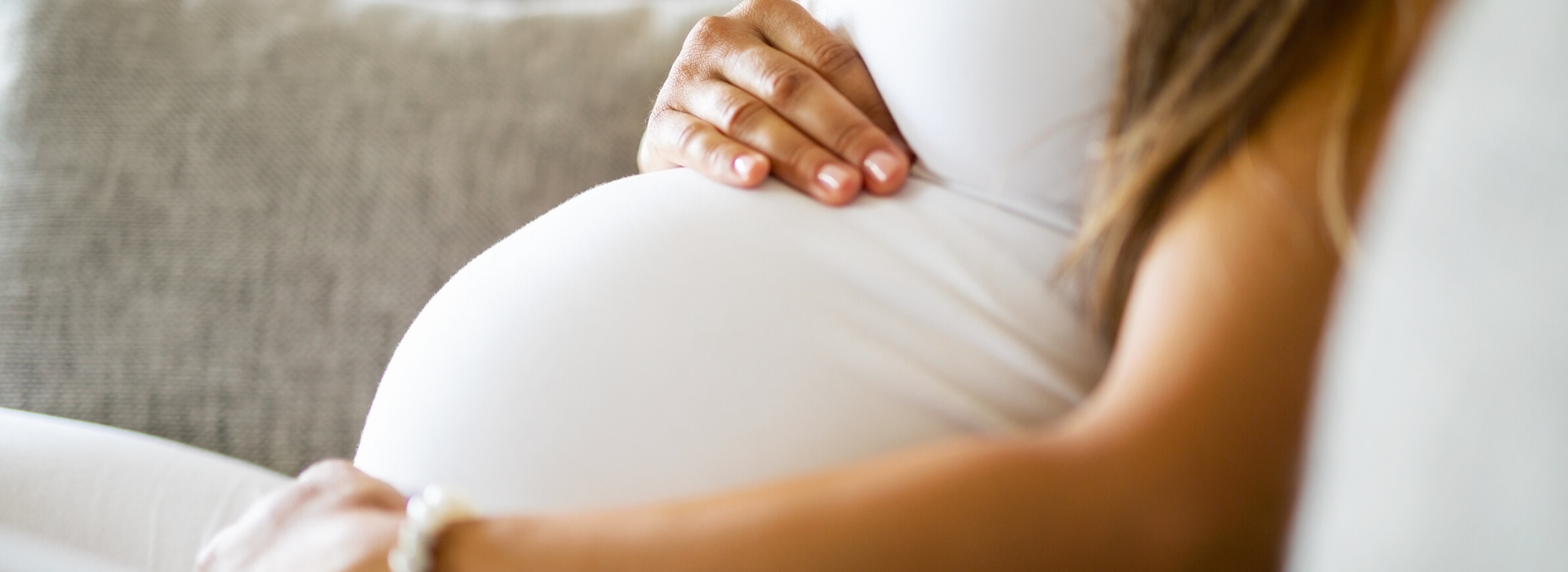
There is also gestational diabetes which is found in pregnancy where the body has a high level of blood glucose and is not producing enough insulin to deal with it all. Often people with gestational diabetes will find that all symptoms and problems go once the baby is born, although some people do continue to have diabetes after the birth.

Symptoms of diabetes

Whilst around 60% of people with type 2 diabetes experience no symptoms before diagnosis, here are some of the symptoms to watch out for

  • Extreme thirst
  • Unexplained weight loss (where you’re not actively trying to lose weight)
  • Extreme tiredness and fatigue
  • Skin not healing as quickly as expected
  • Blurred vision
  • Recurrent bouts of thrush and genital itching
  • Needing to urinate frequently especially during the night.

If you have noted any of the symptoms listed above it is important to go get checked out by your GP. They will be able to run some tests and offer a diagnosis and treatment if needed.

Getting support to help you live with your diagnosis

There are several support organisations available to help you cope with living with diabetes. There is a wealth of information available on the internet too.


What is Distant Reiki Healing?

What is Distant Reiki Healing?

What is Distant Reiki Healing?

Distant Reiki Healing is where Reiki is sent across time and space, using the power of intention. It works in a similar way to sending love or prayers to people who are sick or in need, but in a slightly more formalised way.

How does Distant Healing work?

As we are all connected to each other on an energetic level we don’t need to be in the same room as each other for Reiki to work. What we need to do is to be able to make a firm connection to Reiki energy, using the Distance Healing symbol. This then allows us to send energy where it is needed. 

This could be to a person, group of people, a country or geographical area, an animal or plant or the world as a whole. It could be to a situation from the past which is causing pain and anguish or to a future time like a forthcoming operation or job interview. 

Can Distant Reiki Healing change the outcome?

No, it cannot change the outcome of the interview or the operation, nor can it change what happened in the past but it can help change the way we feel about it, helping to lessen the pain and making us be able to come to terms with it. It’s not an instant fix, but it can help take a little of the edge off the pain. 

Distance Reiki

Does Distant Reiki Healing Work?

Experiences I’ve had as a Reiki Practitioner include the time when I was using the distant healing symbol on a client and they noticed that when I was working on that specific area they noticed that the suddenly  started thinking vividly of an earlier time, back to childhood days.

What do you need to do during a treatment?

Make sure you’re comfortable and have had a trip to the loo and a glass of water before your appointment.

Lie on a sofa, recliner chair or bed and get comfortable. You may wish to put on some soft relaxation music, light some incense or candles or whatever makes sense for you. Turn off your phone if possible or put it onto silent.

You may want to snuggle under a blanket or duvet or if it is a warm day you might not! It’s entirely up to you. You just need to feel safe and comfortable and nice and warm. I like wearing snuggly socks for a treatment unless it’s a very hot day.

The treatment will last about 30-40 mins and at the end I will message you to see what you experienced.

For the rest of the day it is important for you to drink plenty of water and relax as much as possible.

My own Experience

I received distant Reiki healing once when I was feeling very poorly and by the end of the session I felt much much better, like a weight had been lifted off me. 

It can be a little difficult to get your head round so my best suggestion is that you should try it and see what you think and if it works for you. 

If you find that it doesn’t work for you the worst thing that will happen is that you’ll have a lie down on your bed or sofa for half an hour or so! 

How can I have Distant Reiki Healing?

Distant Healing is sent to people during Reiki shares and through one-to-one sessions between clients and Reiki practitioners. 

Have you had Distant Reiki Healing? How did it help you? 

Please leave me your reply in the comments below

How to choose a good Reflexologist

How to choose a good Reflexologist

 Things to consider when choosing a good Reflexologist

 A good reflexologist will be well trained, insured, take regular CPD (additional training to make them a better therapist) and be a good listener. They also need to be adaptable, intuitive and be able to think on their feet. They need to be understanding and kind as well as approachable.

Where do you start looking for a good reflexologist?

Firstly I’d ask amongst friends. They might go to a reflexologist in your area or might have heard great things about one of their friend’s reflexologists. 

If they don’t know of anyone, try looking on a professional register. For Reflexology the Association of Reflexologists Find a Reflexologist Search is a good place to start.


Do they have membership of a Professional Organisation?

Being a member of a professional organisation ensures that the therapist has to keep updating their skills and knowledge so that year on year they become a better therapist.

They also have to agree to abide by a code of conduct and be of good character. Look out for people with initials like M.A.R or M.F.H.T or MCThA after their names. 

This means that they have got a membership of a professional organisation and have had to prove that they are fully qualified and insured in order to join.

Some of the health insurance companies will give you a refund on your treatment fee if the therapist is a member of a professional organisation. It is worth checking with your insurance if this is the case and if so which associations they are looking for. 

Cosy Environment

Are they on a professional register or in a Find a Reflexologist Search? 

The Association of Reflexologists have a Find a Reflexologist facility (which will bring up a list of the members in your area) Here is my listing 

Word of Mouth

If you have friends in the local area, ask for recommendations. A friend may have already found a great Reflexologist. It would be worth giving them a call and seeing if they’re right for you. 

Check out Reviews both on Google or Facebook.

Good therapists tend to get Reviews on either Google My Business or on their Facebook Page. Check these out to see if you can get a feel for how the therapist operates and what sort of  person they are. Here is my Reviews Page


Cosy Environment

Check out their Social Media and Website, Read their Blog Posts

It can help to get a feel for what kind of person the therapist is by checking out their social media presence on Facebook and Instagram. If they have a mailing list maybe sign up to that, again so you can start the process of getting to know them. It’s important to get a sense of whether you’d get on on a personal level. 

Listen to your gut!

At the end of the day the most important thing is to listen to your gut feeling. You need to feel safe and comfortable in the presence of your therapist so it helps if you get to know them on some level before booking your appointment. I believe that the therapist you choose has to feel right. It may take a few different treatments with a few different therapists until you find the right one for you.

Good luck! Please let me know how you chose your therapist in the comments below.


Look after your legs

Look after your legs

Look after your legs

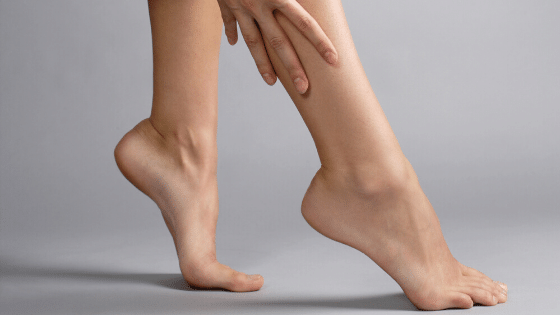
Taking care of our legs is vital. There are lots of ways that we can help our legs stay in tip-top condition.

Keep the blood flowing.. Move your feet!

Keeping the blood flowing nicely is really important to leg health. If you spend most of your time sitting at your desk, try getting up and moving around as often as possible. If you’re not able to for some reason, doing some foot rotations under your desk or at least flexing and rotating your ankles will help. Dancing whilst the kettle boils will also help your mood and your circulation. Just keep moving!

Getting the balance right

Try not to stand up all day long if you can. (Getting the balance between the two is really important!) If possible walk whenever you can. If you have simple, light errands to run and you’re able to walk, do them on foot! I normally walk to the post box or if I need a loaf of bread from the bakers I walk down. It’s all about doing what works for you.
 The fresh air will help you feel better as well as keeping your legs healthy. Often when you get back you feel like all the cobwebs have been blown away. 

Moisturise Regularly

Make sure you keep your feet and legs moisturised using a good quality moisturiser. Often we remember to moisturise our faces or have some hand cream in our desks or bag. But our legs often get forgotten! Treat yourself to a nice body lotion and make it part of your daily self-care routine.

Make note of any problem areas

If you notice any broken skin, dry patches, redness or other signs of discolouration get it checked out if it doesn’t clear up quickly. 
If you feel any pain in your legs and/or feet during or after exercise please do get it checked out. 

Further Information 

Legs Matter have produced a Useful Leaflet about how to care for your legs
Here’s a useful leaflet produced by Legs Matter about looking after your legs Click Here

What do you do to keep your legs healthy?

  Please let me know in the comments

Stories the feet can tell

Stories the feet can tell

Stories the feet can tell 

Reflexology is fascinating and the more I do reflexology, the more fascinated I am by it. One of the first things a Reflexologist does at the beginning of a Reflexology treatment is to make some observations of the feet. 

Here are some of the stories the feet can tell 

How the feet are presented can indicate how relaxed the client is. If it’s the clients first treatment and they’re anxious the feet can be close together. This is known as a closed position. If the client is very relaxed the feet may be fairly wide apart. If I see that my client has a very closed posture I will use lots of relaxation techniques in my opening sequence. This should help them relax and settle into the treatment.

Arches

The positioning of the arches of the feet can tell us all kinds of things. If the arch of the foot is very high it could indicate that the client has either spent a lot of time wearing high heels or it could mean that they have some back pain, amongst other things. 

Spine and Back Problems

The side of the foot running down from the big toe is the spine reflex region. Often when a client has been suffering from back pain there is a distinct tightness or bend in the foot in a place that correlates to the painful area. Sometimes one foot can be a completely different shape to the other one, again this is of great interest to reflexologists.

Other signs we look out for

Hard skin and sock fluff tends to fascinate Reflexologists way more than it should do!

One thing that many of my clients have commented is that they feel they need a pedicure before they come for a treatment. It’s absolutely not the case. We can tell a lot about what might be happening for the client by seeing where there are areas of hard skin, corns and calluses.
Hard skin often forms over an area that is imbalanced, as a form of protection. 

Hard skin can also form where there has been contact with footwear. Often hard skin will form on the same area of both feet, especially when foot wear has been rubbing.

Sock fluff can also gather over reflexes that need re-balancing. So don’t be too quick to rub it all off before your treatment! Most Reflexologists will refresh the clients feet with either wipes or hot towels or offer a foot spa if applicable, so there really is no need to worry about sock fluff before your appointment

Redness

Areas of redness can mean a range of things, often anger and frustration but can also mean that you’ve been wearing footwear that have caused your feet to press down in an uncomfortable way. This is especially true of high heeled shoes where the bulk of the weight is on the ball of your feet. This can cause your feet to sting.

Pregnancy

In pregnant clients there is often a small bump over the uterus reflex too, especially in the later stages of pregnancy. (This is really interesting to see!)

Whatever your feet look like chances are we will have seen it all before and you really needn’t worry! 

What stories do you think your feet would tell me about you?

Please let me know in the comments below.
Sarah Cooper Blog

Like this? Check out my other Blog Posts

Riding the Rollercoaster of life

Riding the Rollercoaster of life

Do you feel like you’re Riding the Rollercoaster of life?

 Like one minute you’re doing just fine and enjoying the ride and the next minute you just want to get off? You’re not alone. Let me ask you something

How are you doing? I mean really, how are you doing? 

The more people I’ve asked this of recently, the more I’m hearing that people feel like they’re riding a bit of an emotional rollercoaster at the moment. Like some of the time they’re ok and feeling like they’re coping well, and then suddenly there’s a lurch or a twist and they’re wanting to retreat to the sofa or the garden. I’ve felt the same. 

There’s been days when I’ve been able to tackle things and other days when chosing which colour nail varnish to wear has been about all I can manage. On really bad days I’ve not been able to manage  even that. So if you’re feeling a similar feeling I just wanted to say that you’re by no means alone. 

boat

There’s been a lot of cliches being thrown around like ‘we’re all in the same boat’ (thankfully we’re not all in the same boat or it would a) have to be a pretty big boat and b) it would probably sink! 

We’ve all been given a similar thing to deal with but as we’re not coming from exactly the same place, we don’t have the same resources available to us. 

For some people staying at home will be completely normal, I know some people have life-limiting conditions that prevent them from going out or going out often. For others it will be a complelety new experience. For some people it will be welcomed. I know that before the lockdown happened I was tired to my bone and so when I was told to stay home for a while I embraced that as there was so little time in my life when I was able to do that. 

Facing new challenges

Staying at home brought new challenges. I was used to leaving the house frequently, I was used to seeing my lovely clients, I was used to just popping out and getting a coffee or meeting friends at a restaurant for a meal. Or just nipping to the library to get a new book. Or to go for a swim.

So to stay at home, felt on the one hand really good but then again it also felt weird. I ended up feeling a bit like Shroedinger. I wanted to stay home but go out at the same time. It made no sense! 

At first I found I needed to fill my days with things. I completed a very short Psychology course, I created a cooking website, I attended online networking meetings, looked online for Yoga classes, I tried an online Belly Dance class (which was great fun). I even started listening to a French Radio Station to improve my rather rusty French. But then, after a while,  I found I was tired. Physically, emotionally, mentally tired.noise

Every time I looked on the internet someone seemed to be shouting at me to do this, do that, do something else. I felt like I had every single item of electrical equipment in the whole house, on all at the same time. 

Can you imagine what it felt like? Imagine having all the radios on playing different stations, the microwave binging in the corner, all the tvs on full blast, the washer on spin cycle. A power drill buzzing. That’s how it felt when I looked at the internet with all that noise. So then I realised that maybe this wasn’t what I needed to do. I didn’t need to listen to all the noise from the internet, I didn’t need people telling me what I needed to do, because only I knew what I needed to do.


What I did need to do was to go with the flow of how I was feeling day to day. I didn’t need to feel like I had to be doing something constantly. Eventually I figured out that it was ok to do nothing sometimes. Some days I needed two naps and I realised that that was fine too. Things feel better now that I’ve realised (as someone put it the other day somewhere on the internet!) that this is a ‘pandemic not a productivity contest’ Now that I’ve realised that actually no matter how I’m feeling day to day, this too shall pass, things are feeling a lot calmer. 

Over to you!

I’d love to hear how you’re coping, what your experiences have been and what has worked for you. Please leave me a comment in the comments box below or feel free to email me at in**@************co.uk it will go straight to my inbox and be completely confidential.

How to remain grounded during times of stress

How to remain grounded during times of stress

How do you remain grounded at times of stress?

When faced with a time of stress it can seem overwhelming, but it doesn’t need to be that way. Here are some tips to help you remain grounded during times of stress.

Remember this too will pass

Thinking back to every other storm, stressful situation or crisis that we’ve suffered during our lifetimes we can see that eventually things start to calm down, the tricky situation gets resolved and the stress goes away.  

Things will get back to normal, eventually, and calm will be restored. This madness cannot last forever. So for now, the best thing would be to find a way to positively embrace it or at least try not to fight against it. It’s like we have to become surfers for a while, and just simply surf the wave that life has thrown at us…

in every crisis there is an opportunity

There is an opportunity in every crisis

Sometimes it can help to actively look for the good things amongst the bad things.

Stressful times can bring about the opportunity for connection and compassion, for reaching out to others in our area. It may give an opportunity to take a step back and reflect on what is working well in life right now and what things could be changed.

It can also give an opportunity to just rest and take some time out for other things. If you’re a front-line worker and having to work all hours the opportunity may be to reach out for support rather than to rest and relax right now. 
image of woman starting a project

Finish up, start or ditch projects

At times like these, it can be a great opportunity to either start new projects, finish old projects or decide, finally, that you really are never going to finish off making that rag rug you started in 1990 and ditch it completely. If you aren’t going to finish it, someone else may be able to, so consider asking around to see if anyone wants to take it off your hands.

Stay grounded in times of stress by learning something new

Learn something new!

There is also a wealth of courses available online, some of which are free. There are also ebooks, emagazines and audio books available for download via your local library’s website. 

What have you always fancied learning to do but never found time to do? From online Yoga classes, Theatre classes, French lessons, Online Free Open University Courses there are things out there to pique your interest. If you suddenly find yourself in the role of Headteacher of your own two pupil school, there are also lots of free resources available for you too. 

woman stretching as she performs her morning routine

Create a routine and a structure

If you’re not going to work/uni/school/college for a while it can be tempting to turn off your alarm clock and see what time you wake up. It can however be helpful to get up at a usual time (or create a new getting up time) and to stick to this throughout the week.

Sleep patterns can easily be distrupted if we don’t impose some kind of routine, even if it’s just a vague one. Without some sense of routine it is easy to fall into that terrible ‘Chrimbo-Limbo’ feeling people get in the time between Christmas and the 2nd of January, where no one knows what day it is and suddenly the most logical thing to do seems to be having Baileys on your shreddies for Breakfast…

Structure your day

It can also help making a list of things you want to acheive each day, it doesn’t need to be a long list, maybe one or two things towards your business if you have one, one or two simple tasks towards keeping your house ticking over and then one or two treats for self-care.

Having a set bedtime routine can also be helpful. If you would like more tips about having a good nights sleep please click here

Woman with her feet up after reflexology in Boroughbridge

Be kind to yourself

Any new way of life or big change to the way you do things can be difficult and for some will cause anxiety. If you find yourself feeling anxious check out my article on anxiety

Write any worries you might have on a piece of paper and write underneath them any actions you can take to help each situation.

Sit with your feet on the floor, imagine yourself rooted to the earth by a thick sturdy chain and above you there is a column of beautiful white light. You are safe and connected.

Drink Plenty of Water, maybe with a slice of lemon, lime or orange if you’re not allergic, obviously! 

Have a hot shower, and imagine worries being washed away down the plughole. Visualise a shower of golden light washing all your worries away.

Carry a smoky quartz crystal in your pocket, or haematite or red jasper as these crystals help you feel rooted and grounded.

Eat a healthy diet, avoid caffeine and try to take a little light exercise every day. 

You can do this! 

Over to you! 

How do you cope in times of stress? What works for you? Please leave me a comment in the box below.


If you like this article please share it with your friends

Related Article:  https://www.sarahcooper.co.uk/7-great-ways-to-reduce-your-stress-levels/


12 Ways to help calm anxiety

12 Ways to help calm anxiety

Ways to help calm anxiety

It is thought that around 6 million people in the UK are currently suffering from Anxiety and Depression, with 3 million living with anxiety. 

Some people have circumstantial anxiety, where a stressful trigger causes a feeling of anxiety. This kind of anxiety is usually fairly short-lived, going away again when the trigger or stress is removed. But for other people anxiety is part of their daily life, and makes doing normal, day to day tasks almost impossible.

So what can be done to help reduce anxiety? 

Here are some practical ways to help calm anxiety  

Distract yourself

Distract yourself either with an app, or with a task or by playing some cheerful or calming music. Set a timer for 15 minutes and go do something else. Useful apps for anxiety include

All of which can be found on the Apple App Store and/or on Play Store

Challenge your thinking

We often believe everything we tell ourselves or totally buy into the ‘facts’ we create about any given situation, so for a second ask yourself if this is just a thought or a fact. Remember thoughts and facts are two very different things and we can with practice change our thinking! 

Write down an ‘if this then that’ list

If you are worrying about a specific thing, try writing down a ‘if this then that’ list. Basically this is stating if *this* happens then I’ll do that…

It gives you back a sense of power and control over the situation. There may be a number of solutions to the problem in hand and if so, list them all. This gives you a range of options to consider, if whatever you’re worrying about actually happens! 

Yoga peace

Breathe Deeply

If you find that you are breathing rapidly it can help to slow your breathing right down, breathing in for 4 and out for 7. 

Ground yourself

Here’s a useful grounding exercise. Look around the room and notice

  • 5 things you can see
  • 4 things you can touch
  • 3 things you can hear
  • 2 things you can smell 
  • 1 thing you can taste

Consider if whatever you’re worrying about really is important?

Most things we encounter aren’t really that important in the global scheme of things. Richard Carlson, Author of ‘Don’t Sweat the Small Stuff’ wrote ‘Ask yourself the question will this matter a year from now?’ Chances are it won’t and if that’s the case don’t worry about it! 

Be kind to yourself for the small steps you make

If you suffer from anxiety which often prevents you from doing day to day stuff, set yourself a small challenge each day and then profusely praise yourself for any progress you make.

If going out is uncomfortable but you get as far as the gate, then you’ve made progress. Even if you just make it as far as the door, that’s progress. But then build on that progress and tomorrow see if you can get as far as next door and then praise yourself for that too.

embarrassment

Consider how long the ‘pain’ will last

If you’re anxious about a driving test, exam, job interview etc, consider how long the ‘pain’ of the situation is going to last for. A driving test will probably last less than an hour but once you’ve passed, hopefully you’ll never need to do that again, and the gain from sitting the test will last a lifetime. A job interview also generally lasts for around an hour and again even if it’s very painful the ‘pain’ will go fairly quickly afterwards.

Get rid of unnecessary stress

I remember one day a while ago needing to be at a meeting in an unfamiliar part of a city nearby. For days panicked about getting there, finding the venue, finding the parking, allowing time to get lost, not knowing what I would do if there was no parking available etc etc. In the end I cancelled my appointment and the whooosh of relief was huge. It made all the difference not having to tackle it. It wasn’t life cruical, I wasn’t letting anyone down by not going, and to be able to gift myself the knowledge I just didn’t have to go, was all that was needed to bring my anxiety back down to normal levels.

image of sugar. Sugar can excerabate anxiety

Cut back on Sugary Foods and Caffeine 

Studies have shown that Sugary foods and Caffeine both affect people’s anxiety levels so try drinking water, herbal teas and drinks without caffeine and avoid having a sugar rush.

Have regular Treatments

Complementary Therapies that may help with anxiety include

These all calm and soothe and can help you to relax and feel less anxious. Some treatments can be available as home visits which would be good for those who have agrophobia.

 Useful Essential Oils to help with anxiety

Essential oils are great for helping reduce anxiety. The best ones for anxiety are 

Useful Resources

Anxietyuk.org.uk 

Mind.org.uk


Read Related Article 


Image of lady with anxiety


Read Related Article about the Symptoms of Anxiety

Over to you! 

What helps you with your anxiety? Please let me know in the comments box below

Symptoms of Anxiety

Symptoms of Anxiety

 What are the symptoms of anxiety?

Around 3 million people in the UK alone are thought to suffer from anxiety and around 25% of these are being actively treated for anxiety.

Anxiety can be circumstantial (something actively triggering the anxiety, like an impending redundancy or having to make a speech to a large crowd of people, a job interview or a disciplinary hearing at work) or it can be a longer term condition or not feel manageable. 

Sometimes anxiety can be linked to thoughts or it can just be an independent feeling without any thoughts triggering it. It can also be linked to the Perimenopause. 

Symptoms of anxiety can include:

      • Feeling nervous, tense or restless
      • Feeling panicky
      • Butterflies in your tummy
      • Sensing impending doom
      • Breathing too quickly (hyperventilation)
      • Profuse Sweating
      • Insomnia (trouble sleeping)
      • Upset Stomach/ Irritable Bowel
      • Feeling the need to avoid certain situations/ people/ places
      • Tiredness/Fatigue
      • Trembling
      • Irritability
      • Increased heart rate
      • Inability to focus/ Poor Concentration

When to get help with your anxiety

If your anxiety has been going on for some time or you feel it is negatively affecting your daily life, don’t hesitate to get help. 

Your GP is generally a good port of call in the first instance. 

Alternatively Google “IAPT” and your area, you are able to refer yourself to get help from a team specially trained to deal with anxiety and mental health concerns.

Related Articles

12 Ways to help anxiety
Menopause-Related Anxiety

Resources:

Mind https://www.mind.org.uk/information-support/types-of-mental-health-problems/anxiety-and-panic-attacks/about-anxiety/

North Yorkshire IAPT has their own website their website is www.northyorkshireiapt.co.uk


Over to you! 

What helps with your symptoms of anxiety? Have you tried Reflexology? Did it help? Please let me know in the comments below

What is self love?

What is self love?

Love is in the air!

Some of you will be lucky in love and others less so but one thing that we can all do is give ourselves some self love.

What is self love? 

Self love is giving yourself praise when praise is due. Playfully noting what could be improved without criticising yourself too harshly, ensuring your own needs are met in a healthy way.

Looking after your mind, body and spirit and ensuring that you treat yourself as kindly as you would treat other people.

It’s about appreciating yourself for who you are and acknowledging that you are loveable and worthwhile just the way you are.

boundaries

How can we practice self love?

Set Boundaries

By setting boundaries for our time, energy and behaviour. It is important to know what your priorities are and to ring-fence some time for yourself. Not in a selfish way but in a way that shows that your hobbies and interests are important too and that it is ok to say no sometimes. 

It is about setting boundaries which states the kind of behaviour you find acceptable and that which you do not, both from yourself and from other people. 

People respect boundaries as it keeps everyone safe. Having no rules and no codes of conduct creates chaos.

foot lotion

Taking care of your body

Take care of your body by eating a balanced diet rich in nutrients but which also allows for occasional treats.

Look after your skin by using good quality skin care products and moisturise your feet regularly before bed by massaging a little good quality foot or body lotion into your feet. 

Get plenty of fresh air, even if it is just a gentle stroll around the block, walking to the shop to get a newspaper or having a potter around your garden in the sunshine. This can help lift low mood and get the blood pumping.

imperfect

Be gentle on yourself

Be gentle on yourself by letting go of any need for perfectionism. Instead aim for praising yourself wherever praise is due. Be playful when learning new things. Experiment and then tweak your method for next time.

When I first qualified as a Therapist, I found my need for perfection paralysing, as I was too scared to practice in case I came across something that I did not know the answer to, or a condition I didn’t know how to treat.

Over time I’ve realised that it is ok to acknoweldge if I don’t know something and it’s also ok to refer clients on if I am not able to offer them the best solution to their current challenges. It’s given me opportunity to practice and refine what I offer. In such a way that I’m not beating myself up if I don’t have every answer to every conceivable problem available to me at that exact moment!

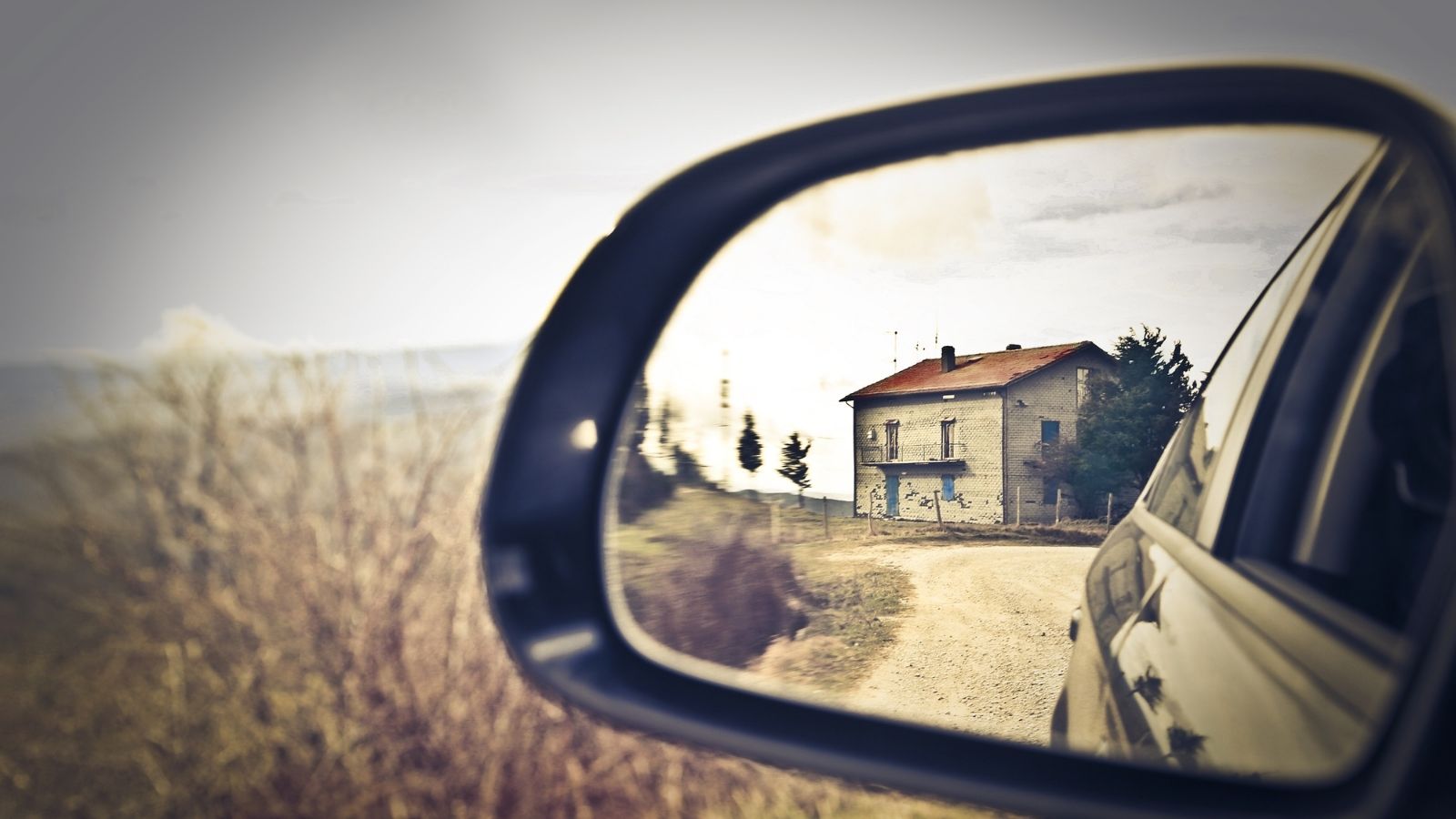
rear view mirror

Praise yourself for how far you’ve come

We are all making progress all the time and it is often not until we stop and take a look back to what we’ve overcome that we realise how much progress we have actually made. So look back at your journey so far, with kind eyes. You’ve come so far, you’ve got this

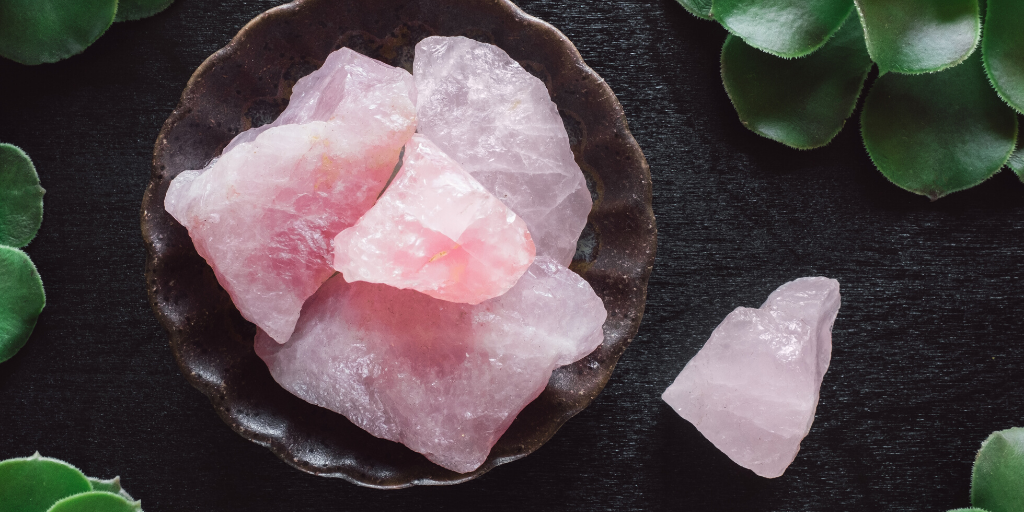
Rose quartz bowl

Crystals useful for self-love

Rose quartz crystals are great for helping you with unconditional love and self-acceptance. The warm pink tones of the rose quartz crystals are wonderfully heartwarming. Rose quartz is great for helping you find things, including a healthy relationship with yourself and others.

Rhodochrosite is another pinkish crystal which is useful for self-love, helping to connect you to your highest good.

What is self love? image of rose essential oil

Helpful Essential Oils for self love

Rose essential is the queen of essential oils, great for the heart chakra and for helping you feel warm towards yourself. Neroli is also very helpful as is Geranium. Both are very nurturing oils.

Frankincense essential oil is also very good  

Where to buy Essential Oils

When buying essential oils it is always important to buy them from a reputable retailer. The best essential oil retailers are listed on the Aromatherapy Trade Council website.

See https://www.a-t-c.org.uk

I am a Neal’s Yard Remedies Organic Consultant and you can buy essential oils from my replicated website. I will receive a percentage of any sales made via my replicated website.

Here is their essential oils page

Resources: https://www.sarahcooper.co.uk/frankincense-essential-oil-a-hug-in-a-bottle/

Read my article on How to be kind to yourself https://www.sarahcooper.co.uk/how-to-be-kind-to-yourself/

How often should I have a Reflexology treatment?

How often should I have a Reflexology treatment?

How often should I have a Reflexology treatment?

When I get asked by clients ‘How often should I have a Reflexology treatment?’ my answer is usually something along the lines of it depends on you as an individual, what is happening in your life right now and of course your budget. 

Do you have some kind of on-going issue that you’d like help to address?

If you have some kind of on-going issue like anxiety or tension in a particular area or are struggling to sleep etc you might benefit from having a weekly or fortnightly treatment for a while, followed by top-up appointments every three to four weeks. 

Image of a reflexology treatment

Are you wanting an appointment to help you maintain your wellbeing?

If you are otherwise fine and are having Reflexology treatments to maintain wellbeing it would be most beneficial to have an appointment once or twice a month, although there is no reason why you couldn’t have a weekly appointment if you wish.

Is there a maximum amount of time to leave between appointments?

Although there’s no definitive answer to this, I would say the maximum time to leave between appointments would be about 6 weeks tops. 

It is worth remembering that treatments have a cumulative effect so that the more often you have a treatment, the better it will be overall as each treatment adds onto the last treatments effects. 

It’s a bit like going to the gym, eating a healthy diet or weeding your garden. If you do any of those things once you’ll make some progress towards your goals, but doing them frequently and consistently will give better results.  Going to the gym, eating healthily or weeding your garden once a year is great but doing it with some kind of regularity is greater! 

Is there a maximum amount of treatments I can have a week?

Again, your budget will probably be the one to decide how many treatments you can have a week. I suggest having a maximum of two or at a push three treatments a week for most clients, although again this is not set in stone, and sometimes a short burst of very regular appointments can be beneficial. Longer term, I would recommend having a maximum of 1 or 2 reflexology treatments a week. 

In the later stages of pregnancy (37 weeks plus) a twice weekly reflexology appointment may be helpful. 

Some Weekend Appointments Available

What are the benefits of having regular Reflexology treatments?

The benefits are that it keeps you feeling that bit better. I know when I go for regular treatments (as I’ve started doing after suffering from a bit of lower back pain last year) I feel a lot more uplifted and less tense.

If you’re feeling tense and have regular treatments, that tension is likely to be less than if you didn’t have regular treatments. Also coming for treatments means you get regular support. As part of what I do I listen to what you have to say without passing judgement and often just to be able to off-load those thoughts and release them can be helpful. I’m not a trained counsellor so all I can offer is a friendly ear before tucking you up on my couch for your treatment.

Book early to avoid disappointment

Booking your next appointment at the end of your current appointment makes sure that you’ve secured the time you want into the diary and you don’t miss out on next months couch time. I know with my own massage therapist that I’m not going to miss out on an appointment if my therapist gets fully booked as it’s there in her diary (and mine)  

It is also reassuring knowing that I’ve got a date in the diary for next month so I’m not having to find my glasses and my diary and a pen and paper and *shudders* call someone to book an appointment. I’ve chosen the therapist that I like so I’m not having to decide from a heap of names plucked up from google which therapist to ring. It just makes the whole process so much less stressful and afterall, who needs more stress in their lives? 


Over to you!

How often do you have a reflexology treatment? Please let me know in the comments below

Great Ways to Cleanse your Crystals

Great Ways to Cleanse your Crystals

How to cleanse your crystals

There are various ways to cleanse crystals. As some crystals are not suitable for putting into water for any length of time I tend to cleanse mine by either holding them over incense (carefully, without burning myself in the process!) by using sound via my singing bowl or tingsha bells or by channeling light energy and visualising the old, stagnant, negative energy flowing out of the crystal and away. As I am attuned to Reiki I could also use that to cleanse and charge my crystals. Some people put their crystals on top of a crystal cluster to cleanse and leave them there for 24-48 hours.

I find using sound and visualisation very powerful (and not as messy as some of the other methods!). It’s really a matter of finding out what works for you, and using the power of intention to visualise the negative energy flowing out of the crystal, being replaced with positivity.

Singing Bowl

If you have crystals that will tolerate water (so NOT selenite for instance) you could also use salt water to soak them in overnight. In the morning, wash away the salt water and lay on a soft cloth to dry off. Always double check if your crystal likes water before putting it in salty water for any length of time.

When to cleanse your crystals

Crystals should be cleansed regulary as they tend to pick up on emotional and negative energy and you don’t want to pick up on that whilst you’re using them. It is sensible to cleanse your crystals once you get them home and if you’ve not used them for a while.

It is especially important to cleanse them immediately before and after performing any crystal healing work. Some people choose to cleanse their crystals using moonlight during the full moon or the calmness of the lack of moonlight around the time of the new moon.

Related Article: How to choose crystals

Where to buy Crystals www.thecrystalbuddha.com

Etsy https://www.etsy.com/uk/shop/ZenZoneCrystals

Over to you! 

How do you cleanse your crystals? Do you have a favourite method or does it depend on the crystal? Please leave me a comment in the box below

Pin It on Pinterest

Privacy Overview
Sarah Cooper Reflexology and Massage in Boroughbridge, Ripon and Surrounding Villages

This website uses cookies so that we can provide you with the best user experience possible. Cookie information is stored in your browser and performs functions such as recognising you when you return to our website and helping our team to understand which sections of the website you find most interesting and useful.

Strictly Necessary Cookies

Strictly Necessary Cookie should be enabled at all times so that we can save your preferences for cookie settings.