
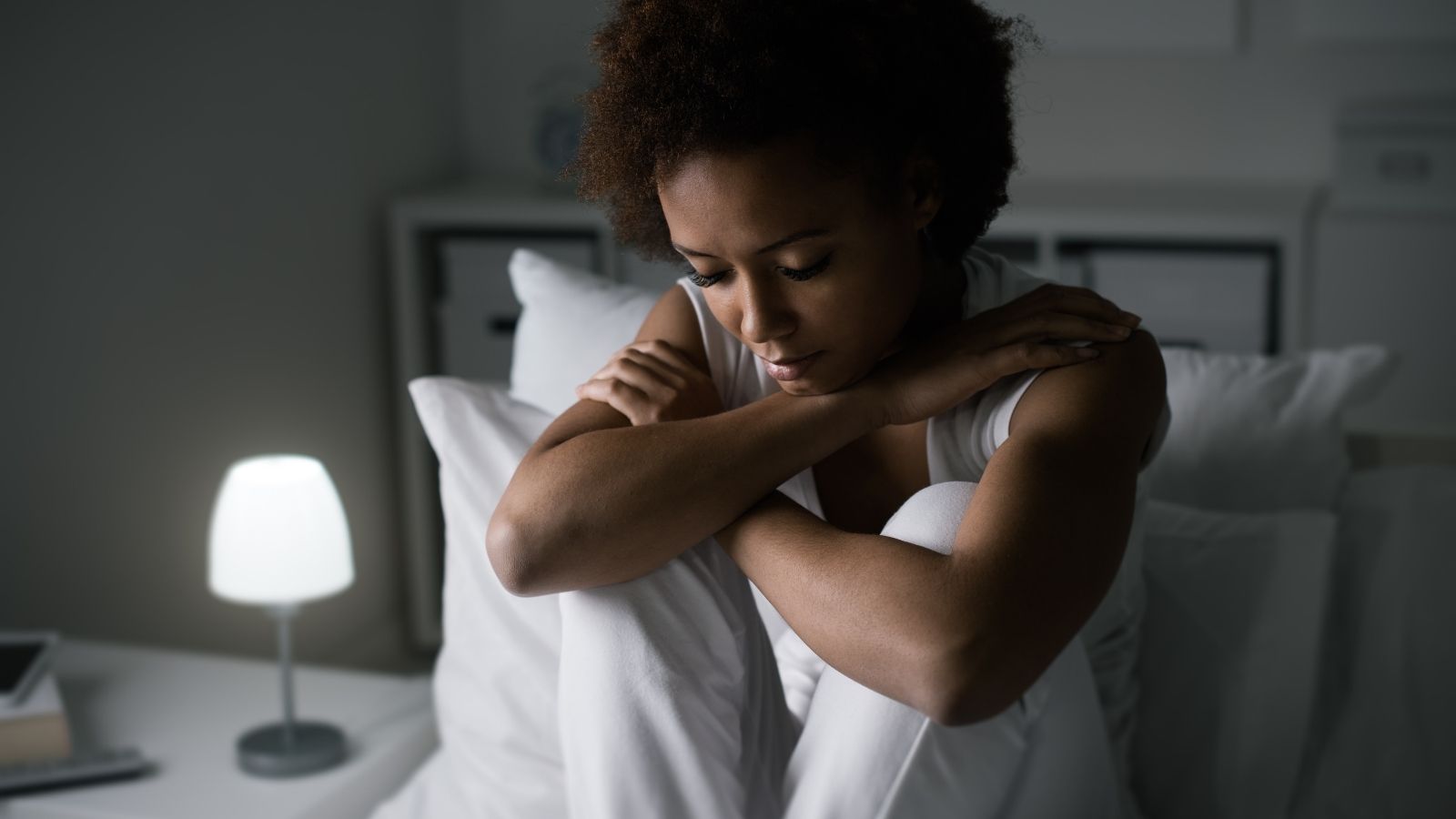
Managing Migraine the natural way

Managing Migraine the natural way

It is thought that 6 million people in the UK suffer from migraines, which means that 190,000 people a day are having migraines.

What causes Migraines?

No one is very sure what actually causes migraines, although it is thought that they can be brought on by stress, dehydration, lacking food, eating trigger foods and drinks, strong perfumes, loud noises, hormonal imbalances, tiredness and bright lights.

 You can find a full list of known potential migraine triggers by clicking here

are you stressed and overwhelmed

Migraines can be exacerbated by stress, so managing stress is key to reducing migraines.

Think about what causes you the most stress in your life? Is it not being able to find things on a morning? Or not having time to prepare and eat regular, healthy meals? Or feeling tired and dehydrated by not being able to drink enough liquid throught the day? Or is it something at work or at home that gets your blood boiling? Is there something quick, easy and affordable that you can do about this? 

If you can find a way to remove some of the stress, you might find your migraines melt away (or at least don’t happen quite as often!) 

This might include getting everything you need ready the night before so you have a stress-free morning, or doing an online food shop for the week so you have meals and healthy snacks to hand. It could mean taking a water bottle with you wherever you go so you don’t get dehydrated. Or putting dinner in the slow cooker before you go to work so you have something quick and easy for dinner when you get back. 

bath

Self-Care : You matter

Create a tool kit of ways to look after yourself, allotting time each day to do things that you love doing to replenish yourself. You cannot keep giving without replenishing your own personal stock. 

So pick something you enjoy and do it as often as you can. If necessary, put it in the diary as an appointment and guard it with your life! Time for self-care is as important as everything else you have in your diary or on your to-do list! 

  • Use a relaxation app like Headspace or Calm or listen to Yoga Nidra or guided meditations.
  • Keep in a loose routine, going to bed and getting up at similar times each day even at weekends
  • Eating good quality, nutrient-rich food is also essential as is eating regular meals
  • Take regular light exercise preferably in the fresh air. Walking is good, as is running, horse riding and golf.
  • Meet up with friends regularly and have a good support network in place
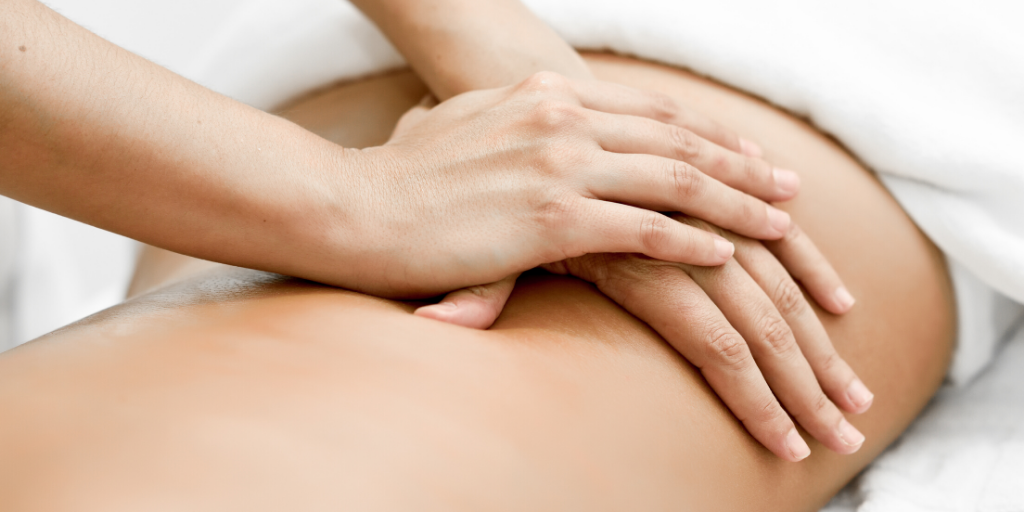
  • Have a regular massage or reflexology treatment and book your next one into the diary so it’s there for you to look forward to. Having a course of massages or reflexology treatments can help migraines, especially as they help to relax you, to release the tension in your muscles and improve sleep patterns.

If you like this post you might like to read my other posts on migraines

https://www.sarahcooper.co.uk/migraine-what-it-is-and-what-you-can-do-about-it/

https://www.sarahcooper.co.uk/chronic-migraine-survival-kit/

Other useful resources for migraines include

https://www.migrainetrust.org/

How to get a good night’s sleep

How to get a good night’s sleep

How to get a good night’s sleep

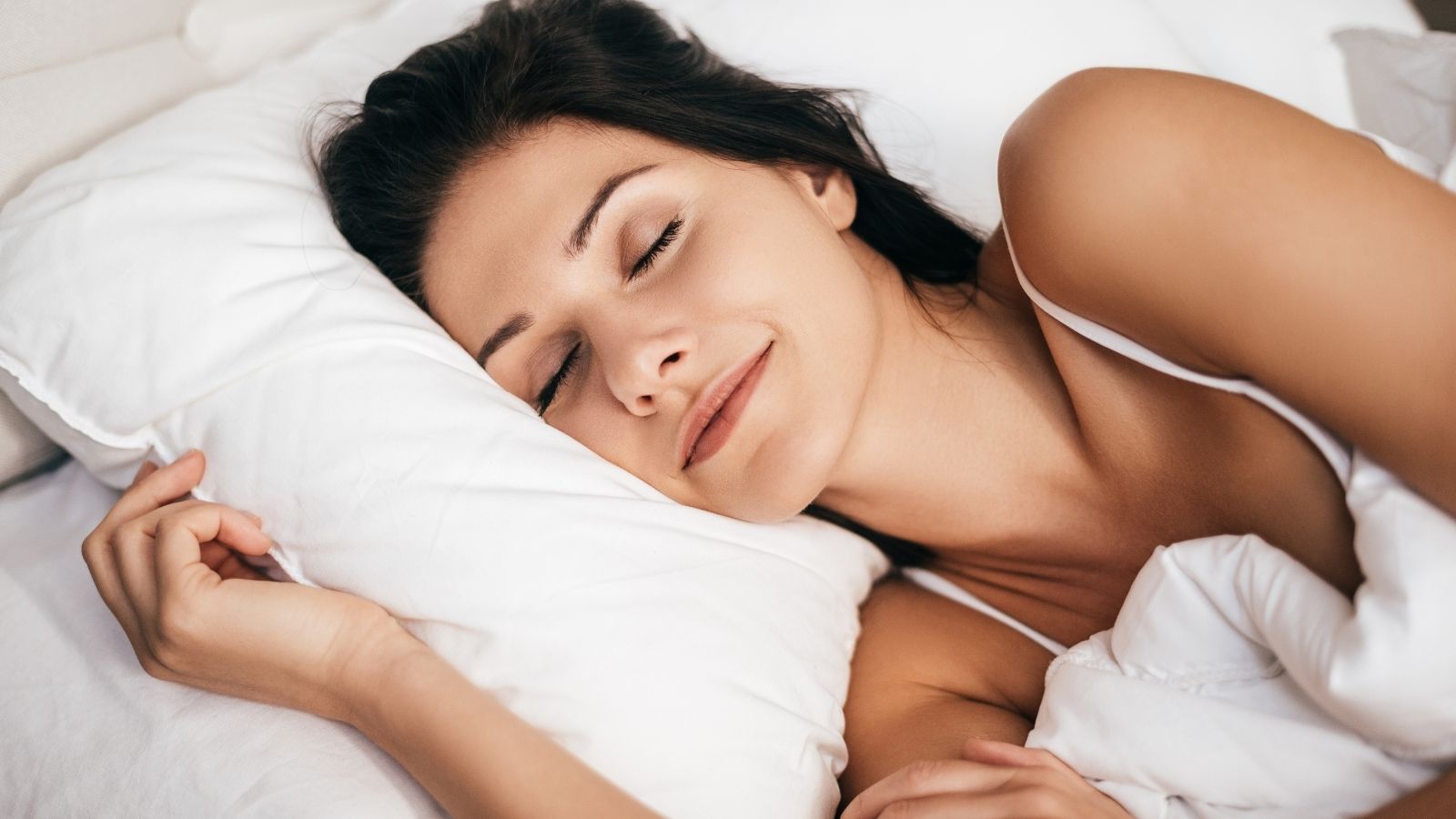
Do you find that you spend night after night tossing and turning, with sleep completely evading you? You’re not alone! 48% of adults in the UK report that they don’t get a good nights sleep. Before we look at how to get a good nights sleep let’s look at what happens if we regularly don’t get a good night’s sleep

What happens if you don’t sleep well?

You’re more likely to:

  • Suffer from foggy-headedness
  • Have impaired cognitive function,
  • Have a weakened immune system
  • Be more prone to picking up common colds 
  • Have increased weight gain or cravings for the ‘wrong’ kinds of foods
  • Be more prone to stress
  • Be more likely to have fine lines and wrinkles on your face
  • Be more likely to have an accident or indulge in impulsive behaviour
  • Have exacerbated mental health issues
  • Find it hard to control your emotions effectively
counting sheep

Why do some people find it hard to get a good night’s sleep?

Lots of things can affect your ability to get a good night’s sleep.

These can include snoring partners, sick or restless children, traffic noise, emergency sirens and light pollution. Needing to have a midnight loo trip, feeling hungry or thirsty, not winding down effectively in the evening, alcohol, too much caffiene, being in pain, having symptoms of the menopause and being pregnant can also keep you awake . The bedroom environment not being conducive to sleep can also be a factor.

Worrying about health, money, family, work, bills and situations beyond our control can also prevent us getting a good night’s sleep.

bedroom

Physically having the right environment

Ideally your bedroom should be:

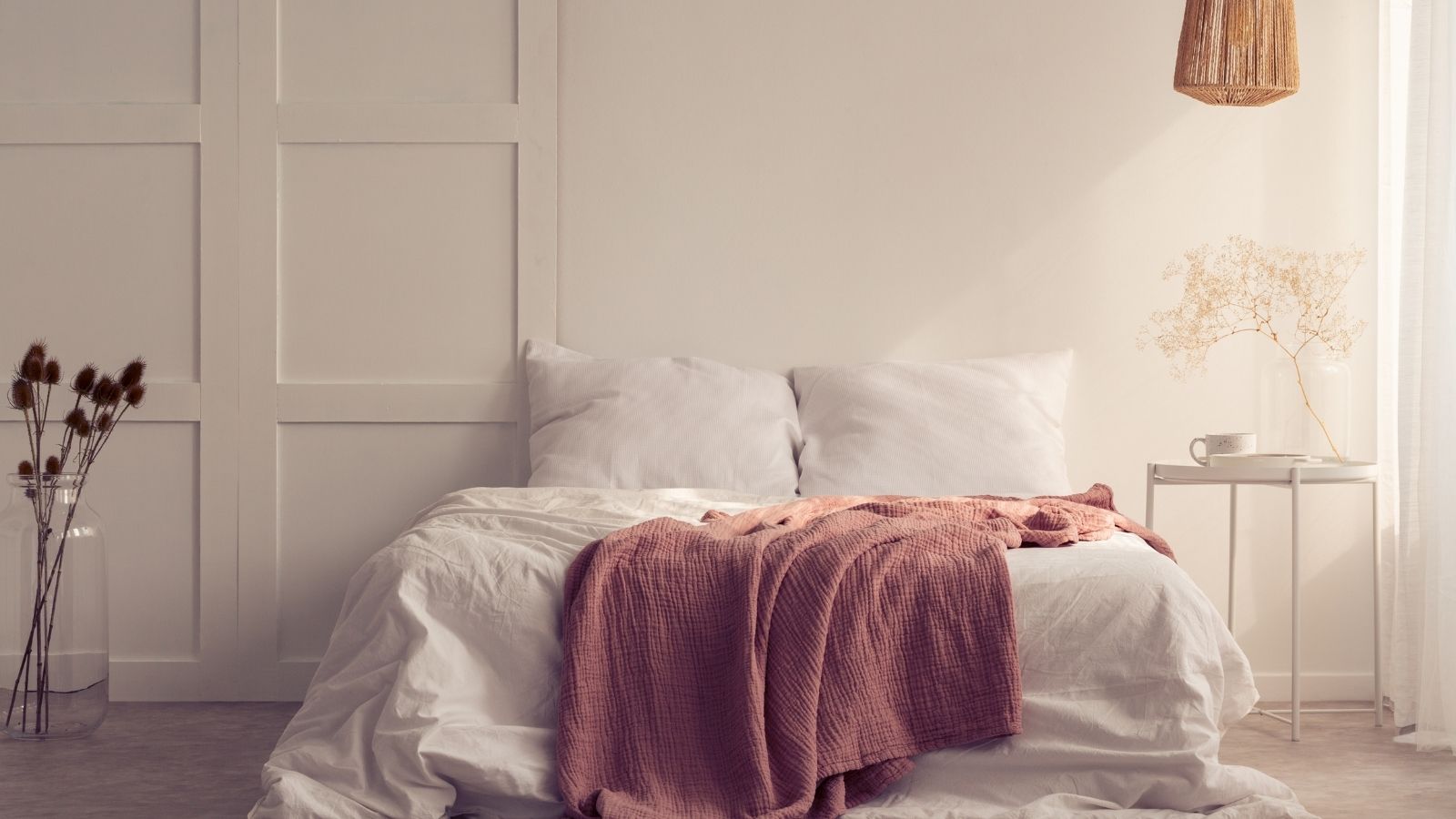
  • Dark enough with no light filtering in from the street. Blackout curtains or blinds can be very useful. Ensure there is no blue light emitting from your alarm clock. 
  • The right temperature. At the risk of sounding like Goldilocks the room should be not too warm and not too cold but just right! 
  • Well Ventilated without being draughty! 
  • Tidy and uncluttered and only used for sleeping, reading and ‘bedroom stuff’. If at all possible avoid working from your bedroom.
  • Free from electrical equipment if at all possible. Remove any unnecessary items like iPads, phones, televisions, radios etc.
  • Comfortable with a supportive mattress and pillows and a big enough duvet so you’re not having to fight for your tiny share of the covers. If your partner likes to hog all the covers, buy yourself your own set! Having the right amount of pilllows for you is important. Having too many pillows can exacerbate head pain and backache.
journal

Create the right emotional and mental environment

Write it down! 
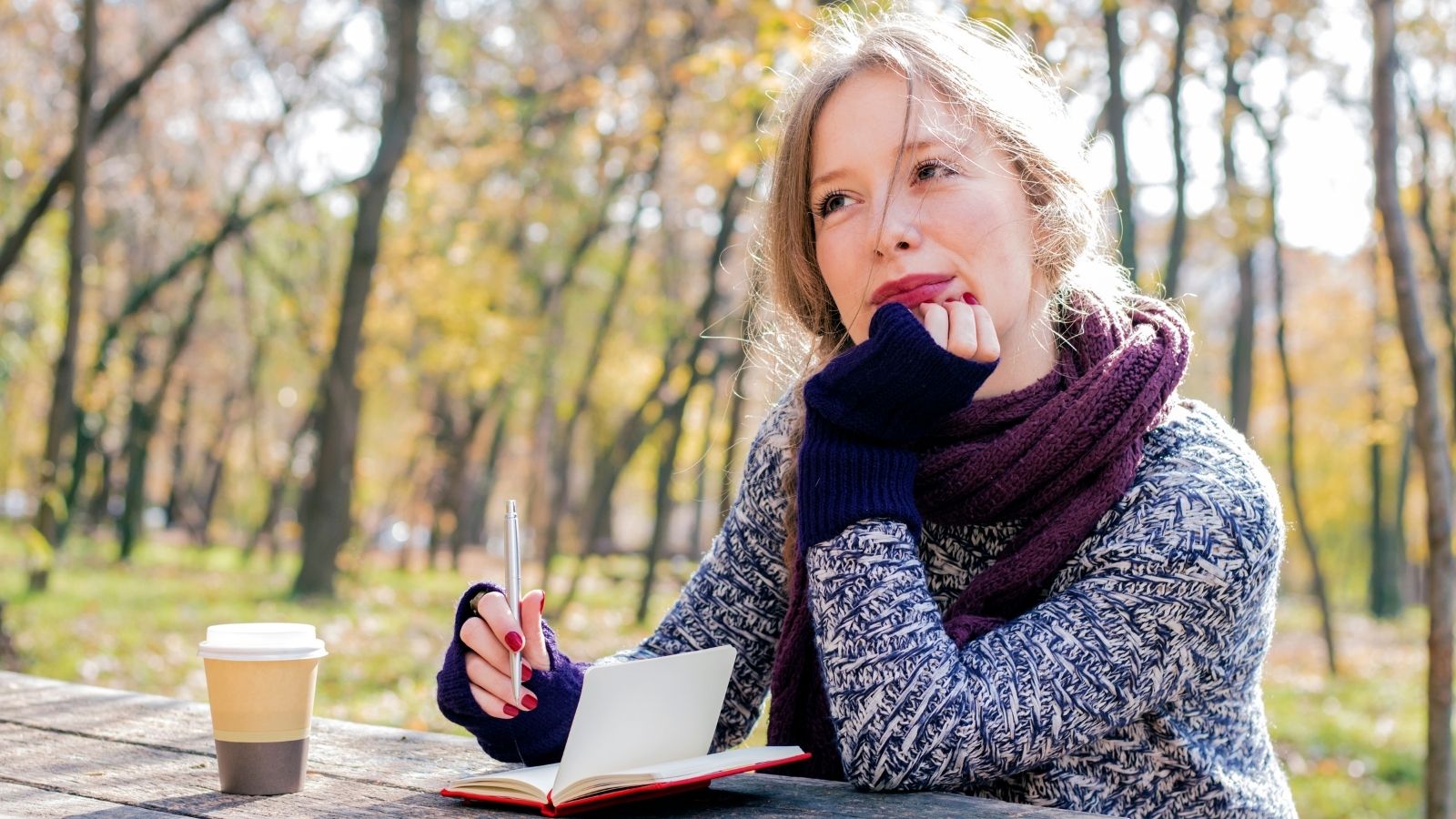
If you find that your head is buzzing with ideas, thoughts, worries, shopping lists, and your to-do list, it can be helpful to have a notebook by the bed. Write down anything that is rattling round your head. This ensures your mind is not having to attempt to remember everything and hopefully will be able to switch off and go to sleep! 

It is also thought that writing down three things that you’re grateful for in a gratitude diary can help a lot! 

Be prepared

Before bed lay out everything you need for the next day. This could be your clothes, any equipment you might need for work, school or leisure. This helps your morning go more smoothly as you’re not looking for last minute PE kit items or trying to find your car keys or a pair of socks that match. You can rest assured that everything you need is all found and ready for you.

reading

Create a great bedtime routine

  • Start winding down from early evening onwards.
  • Avoid caffeine and alcohol after 6pm
  • You could go for a short evening stroll after dinner. This helps you cool down and calm down, and if you’ve a partner it helps you to be able to talk without distractions.
  • Take a couple of hours distraction free if possible before bed. Reading and meditating is a good idea.
  • Have a small drink and a light snack an hour or so before bed so you’re not hungry during the night. 
  • Put on some soothing, relaxing music
  • Have a warm bath
  • Apply a little hand cream to your hands and moisturise your face with a good quality moisturiser. (Maybe start with your face and work your way down to your feet!)
  • Try massaging some body lotion or foot cream into the soles of your feet.This helps to moisturise your feet and is wonderfully relaxing too.
  • Try to go to bed every night at around the same night and get up at a similar time every morning, even at weekends

Related Article https://www.sarahcooper.co.uk/effective-bedtime-rituals-to-help-you-sleep/

blanket

Other ways of helping you get a good night’s sleep

  • Wear a light cardigan or a long sleeved pyjama top in bed (unless you’re menopausal suffering from hot flushes) 
  • Have the window slightly open if it is safe to do so (if you don’t have children and are living in a low crime rate area)
  • Have a heavy or weighted blanket on your bed to weigh you down
  • Use a night time or calming blend of essential oils. Lavender is a good essential oil for bedtime add a couple of drops to a tissue and tuck into your hot water bottle or pillow case. Just don’t over do the lavender or it will keep you awake all night! In small doses it is very relaxing and in larger ones not so much!
  • Always make your bed on a morning (and if you forget make it before you get into bed!) Having plumped pillows and a neat duvet can make all the difference)
  • Change your sheets and duvet covers regularly
  • Have Regular Reflexology or Massage Treatments. Both Reflexology and Massage are great for relaxing the body and soothing the nervous system, putting you in a naturally relaxed state which is conducive to good sleep. If you live in the Boroughbridge or Ripon area and would like a Reflexology treatment in the comfort of your own home please get in touch
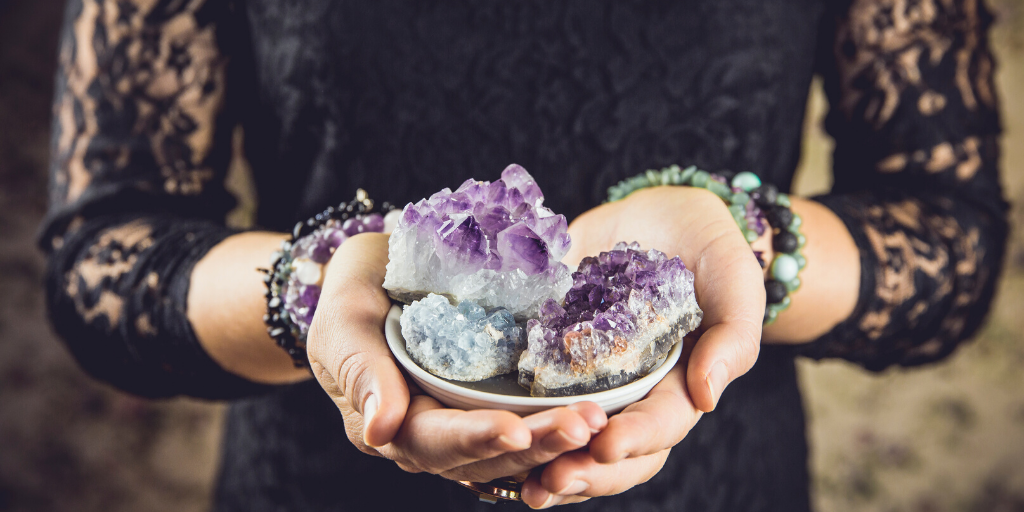
  • Tuck a small amethyst crystal under your pillow (just make sure it doesn’t have sharp edges and NEVER leave crystals in the bed of babies, children or pets)
what to do if you really can't sleep

What to do if you really can’t sleep

If you’re tossing and turning and simply cannot get to sleep don’t worry about it. It can help to get up and do something else for a few minutes. As long as it’s not practising your tuba or bagpipes or anything else that is likely to wake up the neighbourhood it will be fine.

  • Have a warm drink,
  • Read a book or magazine.
  • Do some light housework (NOT vacuuming, obviously!) write in your journal.
  • Find a yoga for bedtime video on YouTube.
  • Have a light snack

Just don’t lie in bed worrying about not being able to sleep. Hopefully before long you will start to feel tired again and will be able to drift off back to bed.

Sleep Resources

Sleep Foundation

7 quick ways to get to sleep

Confession Time: Why I struggled to get a good night’s sleep

 #worldsleepday #sleep

https://www.sarahcooper.co.uk/effective-bedtime-rituals-to-help-you-sleep/


Over to you!

What do YOU do to ensure you get a good night’s sleep? Please pop me a note in the comments box below. 

Marjoram Essential Oil

Marjoram Essential Oil

Marjoram is a wonderful, herby essential oil. Great for headaches and reducing pain. A useful alternative to lavender essential oil. Find out more about this versatile essential oil

Let’s talk about stress!

Let’s talk about stress!

Let’s talk about stress. It’s widely thought that having some stress is a good thing, what happens when we have too much stress? When we are constantly stressed and overwhelmed What then?

10 Simple ways to help you feel better about yourself

10 Simple ways to help you feel better about yourself

10 Simple ways to help you feel better about yourself.   1 Accept yourself warts and all. Many of us feel that we have to be perfect, to give perfection and to be 100% happy, sweet and nice all the time. It's simply not true. We all have our faults, our...

What is plantar fasciitis and what can help it?

What is plantar fasciitis and what can help it?

 What is plantar fasciitis? Plantar Fasciitis is where the thick band of tissue running along the underside of the foot (the plantar fascia) becomes sore and inflamed. This causes pain around the heel area underneath the foot, although it can also hurt along the...

Relaxation: What is it and why is it so important?

Relaxation: What is it and why is it so important?

Relaxation: What is it and why is it so important?  Relaxation is  a state of deep rest, where the body and mind are calm, free from stressors. Where the fight/flight/freeze response to is deactivated and no threats are immediately present. At state where no danger is...

5 Reasons why I love Reflexology

5 Reasons why I love Reflexology

5 Reasons why I love Reflexology 1. It feels nurturing and safe. If I had to pinpoint my absolute favourite reason why I love reflexology I'd have to say it's because it makes me feel nurtured and safe. Unlike massage, it doesn't involve you having to strip down to...

What is the Menopause?

What is the Menopause?

What is Menopause?

There is a lot of talk about the menopause but what actually is it? The menopause is where the ovaries cease to release an egg every month and then periods stop permanently. Once a woman has not had a period for 12 consecutive months without any other logical reason such as surgery, medical intervention etc, she is said to have reached the menopause.

What age does menopause occur?

The average age for women to reach menopause in the UK is 51 years old but the transition towards menopause or perimenopause may start from 45-55 years.

If a woman reaches menopause before she is 45 this is considered to be early menopause. If she reaches menopause before she is 40 this is known as premature menopause.

Perimenopause or the transition period before the menopause

Before periods stop completely there is usually a period of transition where the body starts to make the necessary changes to the body. This transition can last anywhere from a few months to ten years but in many cases lasts around 4 years.

 menopause

Symptoms of the perimenopause and the menopause

These can vary in severity with some people finding them more difficult to deal with than others

Symptoms of the menopause can include

  • Periods may become lighter or heavier with a change in cycle length during the perimenopausal phase
  • Hot Flushes/Hot Flashes
  • Headaches
  • Palpitations
  • Night sweats
  • Lapses in concentration and memory (brain fog)
  • Nausea
  • Weight Gain
  • Changes in mood including irritability, depression or low mood and mood swings
  • Dryness of the vagina, eyes, mouth and skin
  • Worsening symptoms of PMT
  • Vaginal pain
  • Painful intercourse
  • Loss of libido
  • Breast tenderness
  • Anxiety
  • Joint stiffness,
  • Aches and Pains
  • Urine leakage when sneezing

Make a difference sleep

Ways of easing the symptoms of Perimenopause/ Menopause

Lifestyle changes can be key to coping with the symptoms of perimenopause/ menopause

  •  Take regular exercise and eat lots of fresh fruit and vegetables and whole grains 
  • Wearing light bedclothes can be helpful for night sweats
  • Cooling facial sprays can help hot flushes
  • Wear a supportive bra to help ease breast tenderness 
  • Keep well hydrated
  • For skin dryness use a good quality moisturiser or serum and sweep it in upwards movements towards your forehead
  • Pilates is good for strengthening the core muscles and helpful for your pelvic floor and urine leakage issues
  • For smokers going on a smoking cessation programme can help. Most GP practices have a smoking cessation programme available and those who don’t should be able to signpost you in the right direction
  • Get a good bedtime routine in place. It can be useful to have a little notebook by the bed for any ideas and thoughts you might have buzzing round your head just as you’re trying to get to sleep. 
  • Put out everything you need for tomorrow before you go to bed to help ease your stress levels in the morning
  • Try to have a warm bath before bed. Keep the bedroom temperature cool and try having the window open slightly to help keep the room cool
  • If you are suffering from anxiety try cutting back on sugar and caffeine
  • Surround yourself with supportive people who you can be your authentic self with and who you can have a laugh with. Meet regularly if you can
  • Have a regular aromatherapy massage, reiki or reflexology treatment to support you and to help lower your stress levels. Book it into the diary in advance so that you know that your ‘me time’ is coming up
  • Cut back on unnecessary stress, say no to anything that you don’t need to do and that you’d rather not do
  • Be gentle on yourself whenever you can
menopause rosemary essential oil clear head image of woman in grey jumper looking clear headed after using rosemary essential oil

Can I still get pregnant during the perimenopause?

Yes it is possible to get pregnant whilst your body is still ovulating, although fertility does start to decline as you get older.

Unless you are trying to conceive it is important to use contraception until you have been period free for 12 consecutive months if over 50 or for 2 years if under 50 years old, to be on the safe side.

Your GP or Family Planning clinic will be able to help advise you on the best choice of contraception for your needs.

Over to you

How are you finding perimenopause or menopause? What do you find helps your symptoms? Do you have any advice for anyone starting their menopause journey? Please let me know in the comments below.

Please share this article

If you think that this article will be of interest to any of your friends please share it on social media by clicking the social media share buttons on your left on a desktop or below if you’re using a mobile device or tablet.
#worldmenopausemonth
#worldperimenopauseday
#worldmenopauseday

Mandarin Essential oil. Lifts you up and calms you down

Mandarin Essential oil. Lifts you up and calms you down

Mandarin Essential Oil

Mandarin Essential Oil is one of my favourite essential oils. It is wonderfully calming whilst still being upbeat and uplifting. Great for soothing ruffled feathers, taming bad tempers and calming frayed nerves. Perfect for the run up to Christmas and for stressful times like interviews, exams and driving tests where you need to be calm yet remain fully alert. 

All you need for Christmas is… Mandarin Essential Oil.

The very thought of mandarins takes me back to childhood Christmases, where I’d always find a mandarin stuffed into the toe of my Christmas Stocking every Christmas morning. The smell still evokes the memories of Christmases past. 

Mandarin Essential oil is one of the gentler essential oils yet still packs a powerful punch. It’s got antiviral and antiseptic properties so great for helping to move on those inevitable winter bugs.

Use in your diffuser or oil burner to help clear the air after illness. Add 3-4 drops of Mandarin into the diffuser with some water and let the mandarin do the work for you. It also smells wonderfully festive which is a bonus.

Great for the Digestive System, for Flatulence and stimulating the metabolism

It’s also great for the digestive system, helping calm flatulence and stimulate the metabolism. Exactly what you need to help you ease the pain induced by those sprouts and for helping your digestive system cope with the overload of calories. It’s useful too in the new year when you want to give your system a gentle detox. If you’re feeling constipated, Mandarin essential oil can help with that too.


Good for PMT, Low Mood and Anxiety

It is good for helping relieve the symptoms of PMT, having an overall soothing and calming effect and helping to lift low mood and anxiety. It’s cheerful aroma helps lift low mood and depression.

Mandarin essential oil is generally thought to be fairly safe in Pregnancy, in small doses and is useful for helping to calm morning sickness. That said, like with everything during pregnancy, if you choose to use mandarin oil, you do so at your own risk. It should always be well diluted in a carrier oil such as Grapeseed if using mandarin oil for massage. NEVER ingest (drink/eat) any essential oil. Never put mandarin oil neat on skin.

Helps heal the skin

Mandarin essential oil is good for helping reduce scarring and for reducing the appearance of stretch marks, especially when blended with lavender and neroli.

Can be useful for treating acne and for balancing greasy skin. Blend 1 drop of mandarin essential oil into 5 ml Jojoba oil and massage gently into face every evening before bed. Jojoba is rebalancing and encourages the skin to produce the right amount of sebum

Mandarin Essential Oil Blends well with:


  • Black Pepper,
  • Bergamot,
  • Frankincense,
  • Clary Sage,
  • Neroli,
  • Sweet Orange
  • Lavender,
  • Cinnamon,
  • Clove,
  • Coriander,
  • Basil,
  • Chamomile,
  • Grapefruit,
  • Marjoram,
  • Petitgrain 
  • Rose.

Note: Mandarin can be easily overpowered in a blend so add it first and adjust the drops of stronger oils to suit


Did you Know?

When Mandarin essential oil is blended with Frankincense this creates what is known as a synergistic blend. 

A synergistic blend is where the two components, when blended together are greater than the sum of the two individual parts. It’s a bit like 2+2 suddenly = 5!  It makes a superblend which is very powerful! 


For a diffuser add 3-4 drops of Mandarin Essential oil into the water and diffuse to provide a calming, cleansing atmosphere


3-5 Drops of Mandarin Essential Oil into 15 mils of either fragrance free bath oil or foam or Carrier Oil and blend into a warm bath


 For  Massage add 2-3 drops of Mandarin Essential oil into 15 mls Carrier oil

Over to you! 

What do you love blending Mandarin essential oil with? Please let me know how you use yours in the comments below


What is Self Care?

What is Self Care?

What is Self Care?

Self Care can be defined as the deliberate and unselfish act of caring for yourself.  

As a Reflexologist I talk a lot about balance. Self care is also very much about creating a balance in your life, putting the needs of others first some of the time, but also remembering that looking after yourself and your own needs is also vitally important. 

self care

Just as we would need to deploy our own oxygen masks should their be a problem on an aeroplane (or we would not be able to help anyone else.) 
The same is also true of looking after our own needs, as part of our own daily routine. Self care is not selfish, nor a luxury but an essential part of everyday life. 

What self care is not

It’s not about prioritising ourselves over and above everything and everyone else all the time, but being mindful that we should not put our own needs at the bottom of the pile. We matter. That’s the top and bottom of it. 

If we look after ourselves we can then be strong enough to cope with whatever life throws at us. If we don’t keep our own physical, spiritual, emotional and psychological strength up, we will not be able to function effectively and without us, the whole system will go down! 

Self care

So what kind of things does Self Care involve?

Self Care includes getting a balance between taking plenty of exercise and getting some fresh air and having time to rest.

It’s about having some intellectual stimulation but also being able to enjoy some down-time too.

It’s about listening to what our bodies are trying to tell us and responding to that appropriately. 

If you feel tired it is ok to rest and replenish and if you feel like you need to get your blood pumping it is also ok to go for a run or a swim or join an exercise class.

stress levels

Keeping a balance on your stress levels

It’s about having the right balance between having a boring, totally stress-free life with no excitement or challenge and feeling overwhelmed by stress.

A good thing to aim for is stepping out of your comfort zone enough to be able to progress and grow, without giving yourself a heart attack in the process.

Lifestyle audit balanced diet

Taking care of your body so it can take care of you

Self care is about staying adequately hydrated and getting enough sleep. It’s also about getting the balance between eating a healthy nutritious diet and also having an occasional treat.

About taking a sensible approach to life, with all things in moderation.

Self care can also be about good grooming and taking care of your appearance from having a great hair cut or your nails done if that is something you enjoy, to keeping up to date with your routine dental checks and attending health screenings, or booking in for a Massage or Reflexology treatment, or simply running a hot, steamy, bubbly bath.

What lavender essential oil should I use

Rituals can help

It’s also about allowing yourself to regularly do the things you enjoy and finding healthy ways of unwinding after a busy day.

Simple rituals can help you switch out of work mode at the end of the working day. These include having a shower and imagining a cascade of golden light washing over you with all the negativity from the day floating down the drain. 

It can be making a pot of proper loose leaf tea or spending half an hour walking the dog. It doesn’t have to be anything elaborate.
 Just something that you do for you and you alone, that supports your health and wellbeing in a positive way. 

Are you feeling stressed?

Are you feeling stressed?


Are you feeling stressed? Stress is thought to affect around 70-80% of Adults in the UK alone with many adults being signed off work sick with stress at one point in their lives or another.

Stress can manifest itself in different ways

Stress manifests itself in many different ways, often presenting with a wide range of physical, emotional and psychological symptoms and changes in behaviour.

If you find that you’re suddenly suffering from low energy, headaches, stomach upsets, aches, pains, mood changes or are coming down with way more colds and flu than is normal for you, chances are you’re feeling stressed.  Stress can also affect your libido and cause problems in the bedroom. 

As stress can cause you to feel overwhelmed by everyday tasks going out and socialising can become a challenge. This can contribute to low mood and loneliness and avoidance of social situations. 

Emotionally, stress can leave you feeling worried, with racing thoughts, inability to focus, poor decision making and feeling pessimistic. As most of your thinking capacity is taken up by the fight, flight, freeze response, you may find it hard to remember things and leave you feeling disorganised. 

Behaviourally, you might find that your appetite changes either making you crave foods and over eat, or reduce your appetite levels right down. You might also find yourself biting your nails, fidgeting, procrastinating or self-medicating with alcohol, nicotine, or recreational drugs.

Emotional aspects of menopause

What causes stress?

Stress can be triggered by life events such as marriage, moving house, the death of a loved one, divorce/separation, losing a job or major change in financial situation, money worries, problems with school/work/university, having a new baby, caring for family members and working too hard with not enough time out. 

Often a stressful situation will resolve itself without any problem but until it does there are some simple things you can do to to help yourself.

What can be done to ease stress?

Concentrate mainly on what you need to do to get through each day. This could just mean having clean clothes or uniform to wear, food to eat for every meal and if at all possible a short walk to help settle the mind.

Keeping yourself hydrated is key as dehydration will make you feel worse.

Consider if there’s anything you can delegate that doesn’t need to be done by you or if there’s anything that you don’t have to do ever, that could simply be crossed off the list.

The same goes for things beyond your control. Some things we can change and other things (like what’s happening in the world around us) we can’t. If you can’t change it, don’t worry about it. I’ve seen people getting stressed about the snow, we can’t make it not snow so the best thing we can do is be as prepared as possible for snow and then let it get on with it! 

Face the thing that most scares you. If you’re putting off making a phone call because you’re scared of the outcome, then make that call first, so at least you’re not having to worry about it all day. Then give yourself a reward (no matter how small)

Diarise time out for yourself if at all possible, plan something fun into the diary so that you have something to look forward to

Have a regular Reflexology, Massage, Aromatherapy Massage, or Reiki treatment can help reduce stress levels and improve mood, sleep patterns and increase your sense of wellbeing

Resources:

NHS Website has some useful tips for managing stress, anxiety and depression https://www.nhs.uk/conditions/stress-anxiety-depression/understanding-stress/

Here are my top three aromatherapy blends for helping stress https://www.sarahcooper.co.uk/essential-oil-blends-for-stress-and-anxiety/


Simple ways to create a more active lifestyle

Simple ways to create a more active lifestyle

 If, like me, your early experience of being active revolved around those dreaded PE classes where you were the last to be picked for the team and you still associate physical activity with pain, rejection and humiliation you might benefit from some simple ideas to...

What is Self Care and why do you need to prioritise it?

What is Self Care and why do you need to prioritise it?

What is Self Care? Self Care is defined as 'the deliberate and unselfish act of caring for yourself'. By acknowledging your own needs and ensuring these needs are met you set yourself up for being the best you can be. If you are nourished, emotionally replenished,...

10 things Reflexologists would love you to know

10 things Reflexologists would love you to know

10 Things Reflexologists would love you to know 1. We don't care about leg hair! It's true! We genuinely don't care if you've shaved your legs or not. In fact having some leg hair can be helpful as there is this wonderful relaxing c-tactile reflexology move which is...

What is Reflexology?

What is Reflexology?

What is Reflexology? Reflexology is a gentle yet powerful complementary therapy which uses systematic pressure on specific points of the feet, face, hands or ears to bring the body back into balance. This is combined with a range of massage techniques to warm up the...

My Mission and Philosophy

My Mission and Philosophy

What's your mission in life? Mine has to be to make the world a brighter place in whatever way I can. Normally that involves making people laugh out loud or fall asleep, depending on the circumstances! I love helping people feel more relaxed. Restoring a sense of...

Chronic Migraine Survival Kit

Chronic Migraine Survival Kit

What is Chronic Migraine? Chronic Migraine is where you suffer from more than 15 headaches a month with at least 8 of these being classed as migraines. A migraine is generally a severe, one-sided headache which may be accompanied by visual and neurological symptoms...

Migraine – What it is and what you can do about it

Migraine – What it is and what you can do about it

What is Migraine? Migraine is generally a severe, one-sided headache, which may be accompanied by visual disturbances, neurological symptoms and/or nausea and vomiting. Visual disturbances can include flashing lights, zig-zagging, double vision, blind spots and...

Pin It on Pinterest

Privacy Overview
Sarah Cooper Reflexology and Massage in Boroughbridge, Ripon and Surrounding Villages

This website uses cookies so that we can provide you with the best user experience possible. Cookie information is stored in your browser and performs functions such as recognising you when you return to our website and helping our team to understand which sections of the website you find most interesting and useful.

Strictly Necessary Cookies

Strictly Necessary Cookie should be enabled at all times so that we can save your preferences for cookie settings.